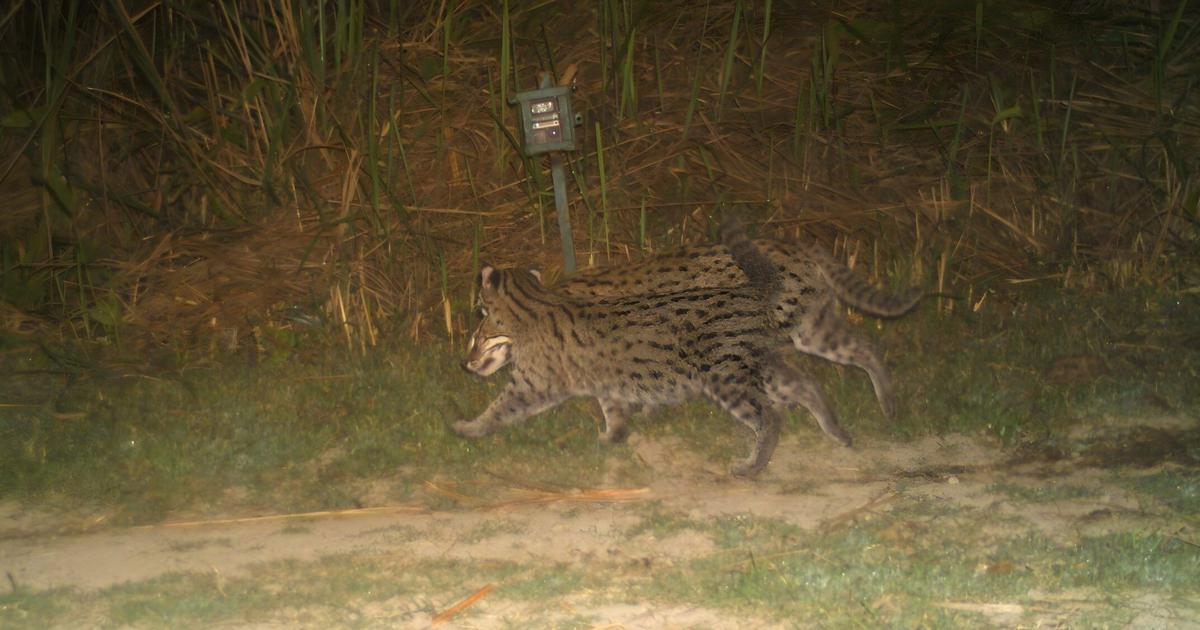
A recent scientific survey has unveiled encouraging news about the fishing cat population in Kaziranga National Park and Tiger Reserve, with a remarkable count of 57 individuals. This study highlights the widespread presence and successful reproduction of these elusive felines within the park’s floodplains. Conducted by the Kaziranga Tiger Cell in collaboration with the Fishing Cat Project, the findings were made public on February 22, coinciding with International Fishing Cat Day.
Sonali Ghosh, the Director of Kaziranga National Park and Tiger Reserve, emphasized the significance of the results, stating, “This figure is one of the highest recorded in freshwater floodplains, reaffirming Kaziranga as an exceptional habitat for the fishing cat.” The study underscores the necessity of understanding and preserving these vital ecosystems that support diverse wildlife, including the fishing cat, which is known for its aquatic hunting skills.
The survey methodology involved analyzing data collected from camera traps, which were initially installed for monitoring the tiger population. Ghosh explained the logistical challenges of conducting individual surveys for each species in such a vast area. “With over 1.4 million images to sift through, it was essential to make the most of the existing resources,” she noted. This innovative approach not only saves time but also provides a comprehensive overview of the park’s wildlife.
However, the analysis was not without its difficulties. Tiasa Adhya, a wildlife biologist and co-founder of the Fishing Cat Project, shared some of the hurdles faced during the study. Factors such as poor visibility due to fog, rain, or the proximity of animals to the cameras sometimes hindered the quality of the images captured. Such challenges are a reminder of the unpredictable nature of wildlife monitoring.
The findings from this survey are particularly vital as fishing cats are classified as vulnerable by the International Union for Conservation of Nature (IUCN). Their survival is heavily dependent on healthy wetland ecosystems. The thriving population in Kaziranga could serve as a beacon of hope for conservation efforts, signaling that with the right habitat and protection, endangered species can rebound.
As the world faces unprecedented environmental challenges, the success of the fishing cat population in Kaziranga illustrates the importance of conservation initiatives. This study not only highlights the resilience of nature but also reinforces the critical need for ongoing research and preservation efforts in India’s rich biodiversity hotspots.