Kerala Police Directs Social Media Platforms to Remove Controversial EC Letter Posts Tied to BJP Seal

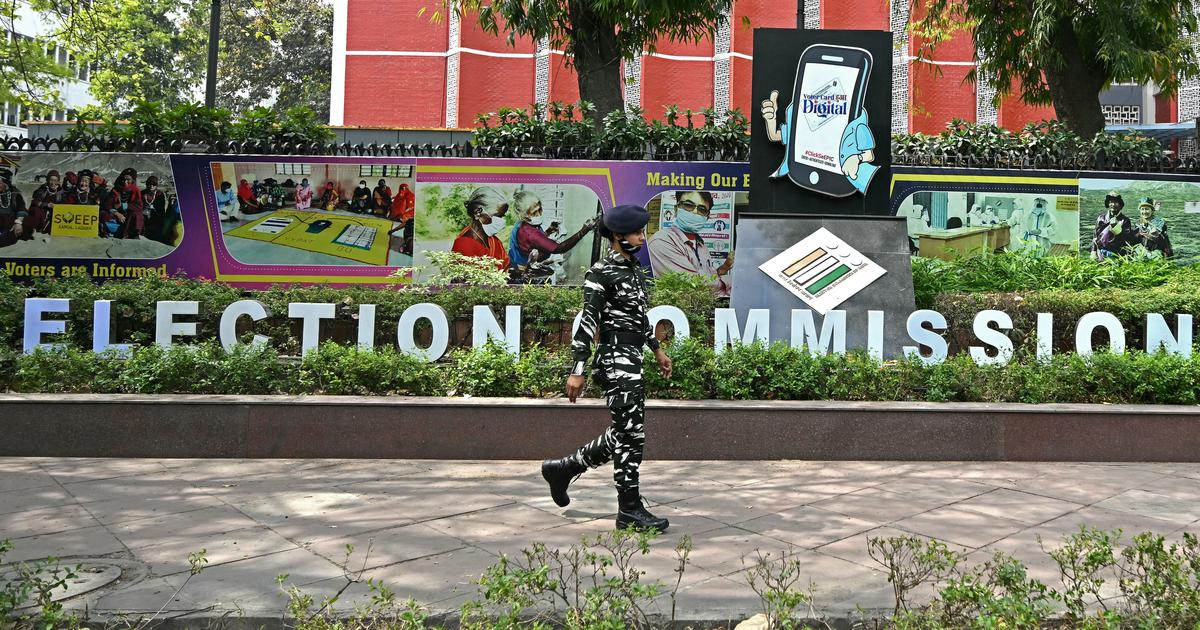
In a significant development in Kerala, the state police took decisive action on Tuesday by ordering social media platforms to delete posts related to a controversial letter issued by the Election Commission (EC) that featured the seal of the Bharatiya Janata Party (BJP) Kerala unit. The decision follows a public uproar that began when the letter, originally dated March 19, 2019, was circulated widely online, sparking questions about its authenticity and implications in the run-up to the Assembly elections.
The letter in question communicated guidelines concerning the disclosure of criminal records by political candidates to various parties across India. However, the presence of the BJP’s seal on this official document ignited a storm of speculation and criticism among political opponents and media personnel. The EC later clarified that this was the result of a ‘purely clerical error’ and has since retracted the document, adding yet another layer to the unfolding drama.
In light of the situation, prominent journalists, including Arvind Gunasekar and Piyush Rai, along with Congress spokesperson Aditya Goswami, took to social media to inform their followers about the police directive. The Kerala police invoked relevant sections of the Information Technology Act of 2000 and the updated IT rules of 2021, which empower authorities to request intermediaries, such as social media platforms, to take down content deemed problematic.
The move is particularly noteworthy considering that the Model Code of Conduct is currently in effect in Kerala as the state gears up for Assembly elections. This legal framework aims to ensure fair play during the election period, and any dissemination of potentially damaging or misleading information could violate these established protocols.
As the political landscape in Kerala heats up, the implications of this incident are profound. It raises questions about the role of social media in political discourse, the responsibilities of journalists, and the extent to which authorities can intervene in the digital space to maintain order during elections. The decision by the Kerala police to intervene highlights the tension between governance and freedom of expression, a topic that remains at the forefront of India’s evolving digital landscape.