The political landscape in Kerala has recently become tumultuous, with the state police taking decisive action against social media posts concerning an Election Commission letter that has stirred controversy due to its association with the Bharatiya Janata Party (BJP). The conflict escalated when the Communist Party of India (Marxist) accused the BJP of manipulating official seals, claiming that ‘seals are being casually swapped’ to mislead voters. This led to a swift response from the police, who cited the importance of maintaining the integrity of the upcoming Assembly elections.
The Election Commission clarified that the issue stemmed from a clerical error rather than any intentional wrongdoing. However, with the Model Code of Conduct currently in effect, any perceived attack on the electoral body’s reputation is taken very seriously. The Kerala Police’s directive to social media platforms to eliminate certain posts was justified on the grounds that these posts could be seen as offensive to the Election Commission and potentially harmful to communal harmony.
In a move that highlighted the intersection of technology and politics, social media platform X (formerly Twitter) informed users—including journalists and political leaders—that it was compelled to remove specific content following instructions from the Kerala Police, citing violations of Indian law. An Instagram post by the news outlet Scroll discussing the controversy was also reportedly blocked, raising questions about freedom of expression in the digital age.
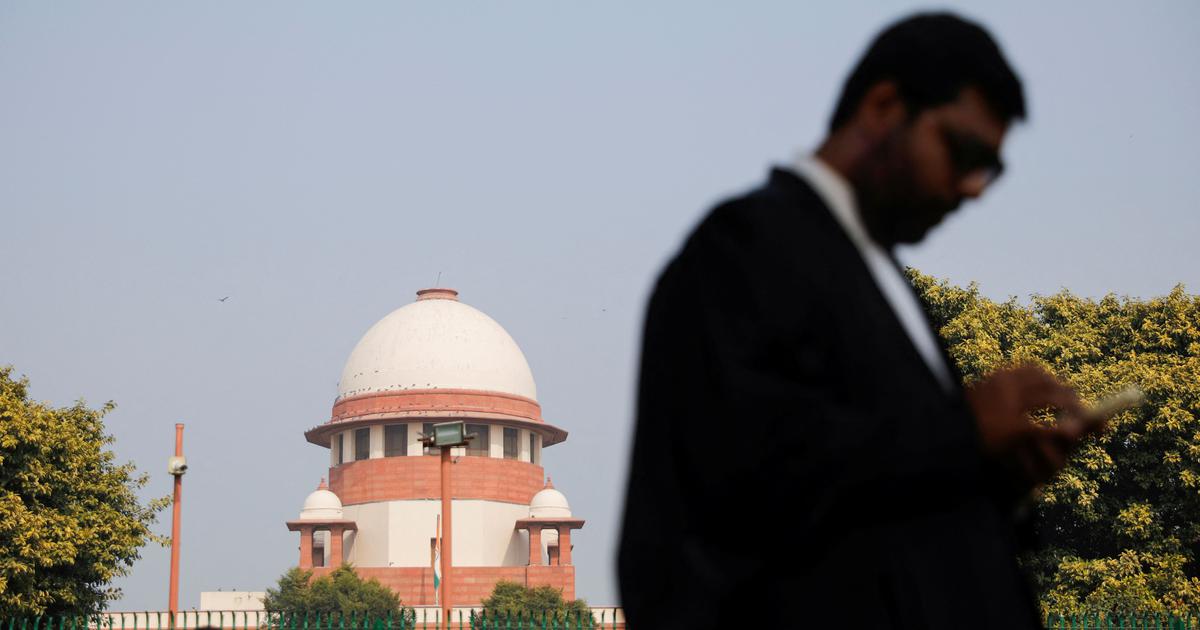
The legal context surrounding Scheduled Caste status has added another layer to the unfolding events. Recently, the Supreme Court ruled that only individuals belonging to Hindu, Buddhist, and Sikh faiths can claim Scheduled Caste status. This ruling implies that Dalits who convert to other religions lose their Scheduled Caste designation, regardless of their original status at birth. This decision has significant implications for various communities and continues to be a topic of debate across the nation.
As the Kerala Assembly elections loom on the horizon, the interplay between social media narratives, political maneuvering, and judicial interpretations are likely to shape the discourse in the coming weeks. With tensions running high, the police’s intervention signals the delicate balance that must be maintained in safeguarding electoral integrity while also respecting the freedoms of expression and information dissemination.