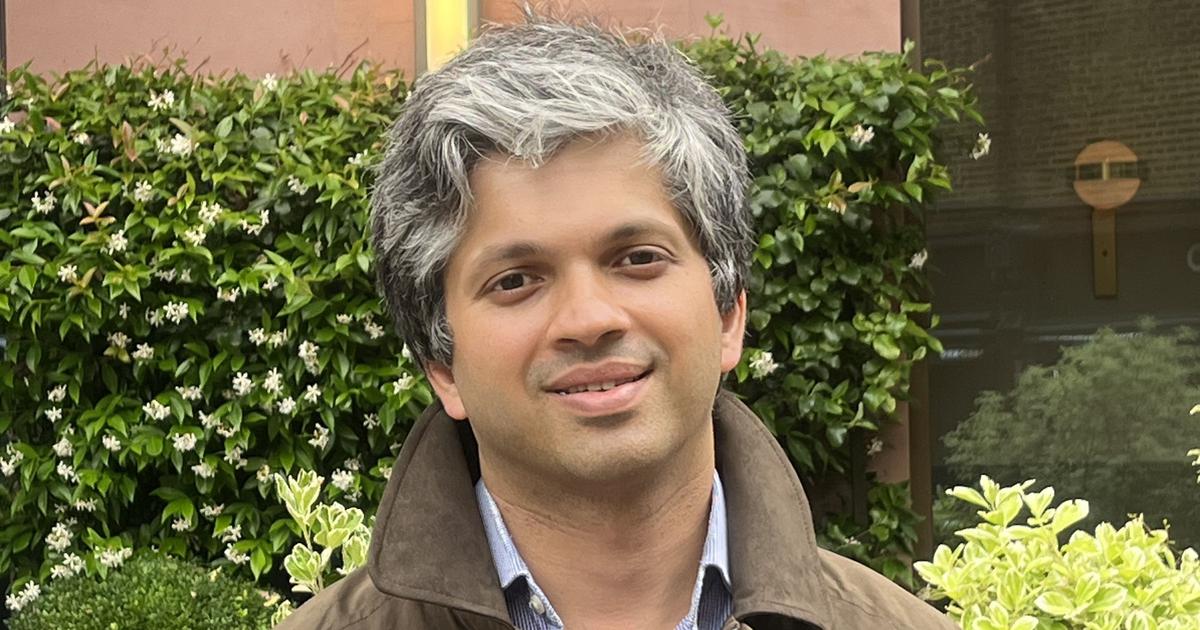
In a significant achievement for Indian literature, Keshava Guha’s novel, The Tiger’s Share, has been shortlisted for the esteemed Climate Fiction Prize 2026. This accolade, which is now in its second year, honors novels that address the pressing climate crisis through compelling and imaginative narratives. The award comes with a lucrative cash prize of £10,000, adding to the prestige of the recognition.
The Tiger’s Share intricately weaves the story of two sisters, Tara and Lila, who navigate their ambitions within the confines of a patriarchal society in Delhi. Set against a backdrop of ecological upheaval and political strife, the novel delves deep into the emotional and societal challenges that arise in such a turbulent environment. Published by John Murray / Hachette in both India and the UK, Guha’s work promises to resonate with readers who are increasingly aware of the climate crisis.
Guha’s narrative not only highlights personal struggles but also reflects broader societal issues, making it a timely contribution to the climate fiction genre. The book has garnered attention for its poignant exploration of how climate change is intricately linked to social justice and gender equality, themes that are particularly relevant in today’s discourse.
The shortlist for this year’s Climate Fiction Prize features a diverse array of novels, including works from writers such as Madeleine Thien with The Book of Records, Robbie Arnott’s Dusk, Susanna Kwan’s Awake in the Floating City, Maria Reva’s Endling, and Helen Phillips’ Hum. This selection showcases the breadth of talent addressing environmental issues through literature, reflecting a global concern that transcends geographical boundaries.
The jury for this year’s prize is composed of distinguished figures in literature and science, including Arifa Akbar, chief theatre critic at the Guardian, and renowned novelists Kit de Waal and Jessie Greengrass. Also on the panel is climate scientist Friederike Otto, who brings an essential scientific perspective to the discussions, alongside broadcaster Simon Savidge, known for his engaging storytelling.
As the world grapples with the climate crisis, literature plays a crucial role in shaping awareness and inspiring action. Guha’s nomination not only highlights the importance of dialogue around climate issues but also underscores the vital contributions of Indian authors to this global conversation. The outcome of the Climate Fiction Prize will be eagerly awaited, as it serves as both a recognition of artistic merit and a call to action for a more sustainable future.