Brewing Hope: How Coffee Cultivation is Transforming Tribal Livelihoods in Odisha’s Koraput
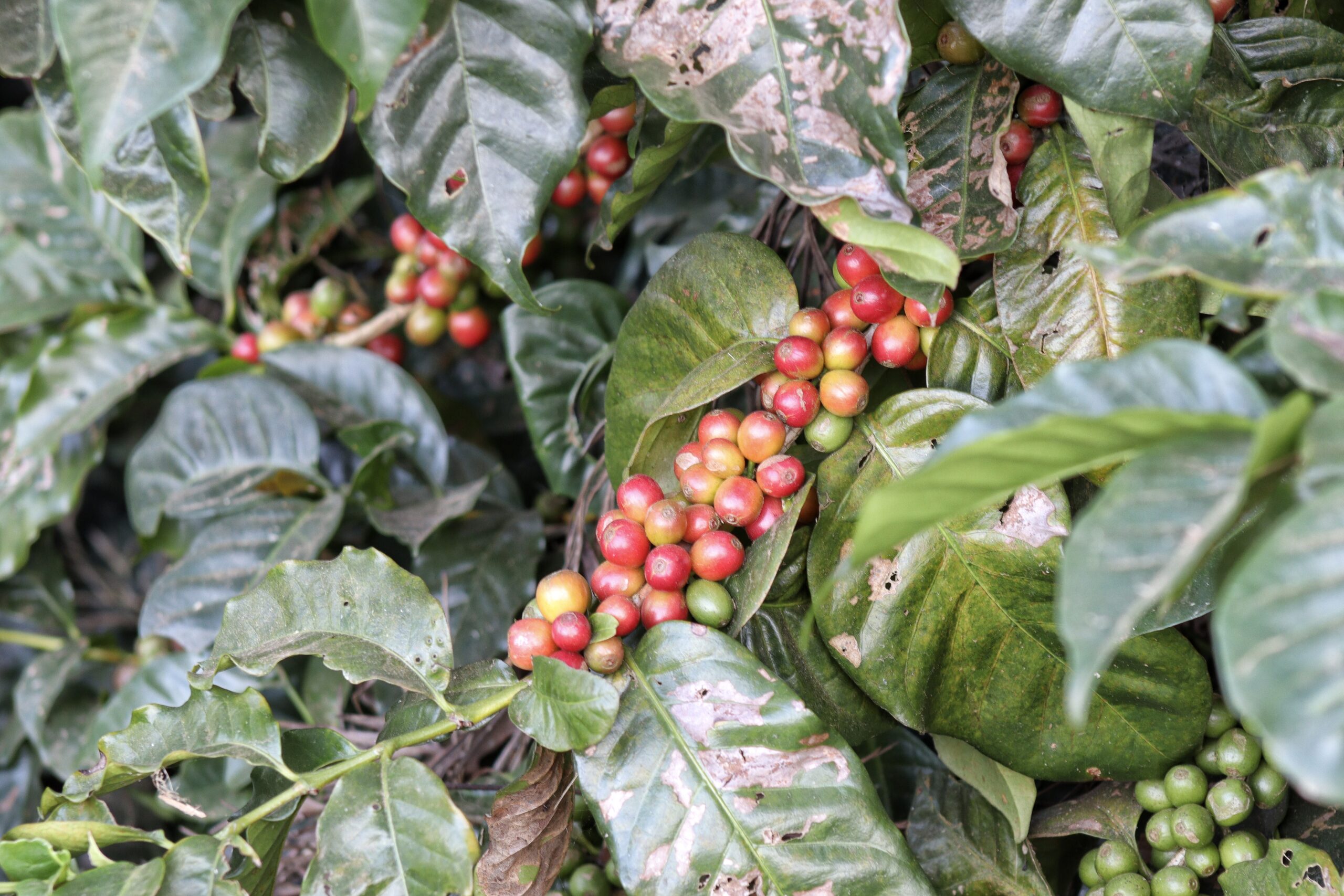
Koraput, Odisha: Nestled in the hills of the Eastern Ghats, Koraput district in southern Odisha is known for its tribal heritage, biodiversity, and scenic landscapes. In recent years, coffee cultivation has emerged as an important source of livelihood for many tribal communities in the region.
Coffee farming was introduced in Koraput as an alternative income-generating activity for local communities. Over time, cultivation has expanded significantly, with government agencies and cooperatives supporting farmers through procurement, training, and market access initiatives. The launch of the “Koraput Coffee” brand in 2019 helped bring wider recognition to coffee produced in the region.
Traditionally, several tribal communities, including the Paraja, Kondh, and Bonda groups, depended largely on subsistence agriculture. Coffee cultivation has provided an additional source of income while promoting agroforestry practices. Arabica coffee is cultivated under the shade of trees, often alongside black pepper, spices, and other crops, helping farmers diversify their earnings.
Officials and local stakeholders say that support mechanisms such as organized procurement and direct benefit transfers have improved market access for growers. Many farmers who previously depended on seasonal migration for employment are now able to supplement their income through coffee cultivation.
Women play a major role in the coffee value chain, participating in activities such as plucking, sorting, nursery management, and primary processing. Self-Help Groups associated with various livelihood programs have also been involved in supporting coffee-related activities in the region.
Koraput Coffee has received recognition in specialty coffee circles and continues to gain visibility through dedicated retail outlets and promotional initiatives. Efforts are also underway to strengthen storage, processing, and marketing infrastructure.
Supporters of the initiative say the growth of coffee cultivation in Koraput demonstrates how agricultural diversification can contribute to rural livelihoods while encouraging environmentally sustainable farming practices.