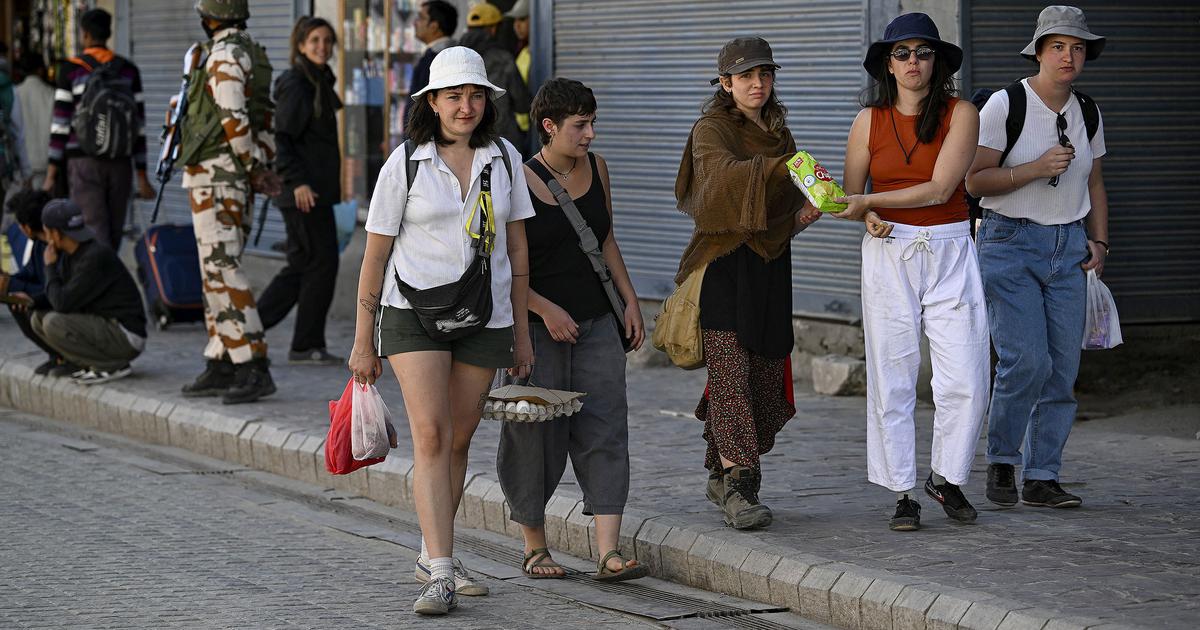
Ladakh, known for its breathtaking landscapes and rich cultural heritage, has witnessed a dramatic downturn in its tourism sector, leaving local businesses reeling from a series of unfortunate events. Following a robust recovery post-COVID-19 in 2022, where local entrepreneur Irshit Ali saw his income soar from ₹20,000 to ₹1.5 lakh monthly, the region’s tourism dynamics have drastically shifted as of 2025.
Initially, 2022 heralded a buoyant phase for Ladakh’s economy, with an influx of tourists eager to explore the stunning vistas and unique experiences offered by the region. Ali, who began his journey as a van driver for tourists, capitalized on this resurgence, acquiring additional vehicles through a bank loan to accommodate the growing demand. For two consecutive years, the steady flow of visitors painted a promising picture for Ladakh’s economy.
However, the onset of 2025 brought with it a cascade of challenges that threatened to plunge the local tourism industry into turmoil. The troubles began in April with a terrorist attack in Pahalgam, Jammu and Kashmir, which instilled fear among potential travelers, resulting in a noticeable decline in foreign tourist arrivals in Ladakh. The situation escalated during a brief military confrontation between India and Pakistan, where tourism activities came to a standstill, exacerbating the crisis.
As if that weren’t enough, the region confronted record rainfall in August, leading to road closures that isolated Ladakh for several weeks. This natural disruption further dissuaded visitors from making the trek to this remote corner of India. The plight of the tourism sector was compounded in September when protests erupted in Leh. Citizens rallied for full statehood for Ladakh, drawing attention to political grievances, but also prompting further uncertainty among travelers.
These events have collectively placed immense pressure on local businesses, which are now grappling with dwindling incomes and increasing debts. Irshit Ali, who once celebrated his thriving business, now finds himself uncertain about the future as his livelihood hangs in the balance. He and many others in the tourism sector are calling for government intervention, hoping for measures to stabilize and revitalize the industry that is the lifeblood of their community.
Despite the current challenges, there remains a glimmer of hope for Ladakh’s tourism industry. The local government, along with various stakeholders, is exploring strategies to rebuild trust with potential tourists. There is also a renewed emphasis on sustainable tourism practices that not only showcase the beauty of Ladakh but also preserve its delicate environment and cultural heritage. As the region navigates through these turbulent times, the resilience of its people and the allure of its landscapes may yet ensure that Ladakh remains a coveted destination for travelers worldwide.