Let’s Go Green
There was a time when our planet’s atmosphere was believed to be pure and untainted. The Industrial Revolution transformed human life in countless ways, but it also marked the beginning of large-scale environmental degradation. The concept of “pollution” only gained serious global attention much later, particularly after environmental laws and policies began to take shape.
Among modern pollutants, plastic waste stands out as one of the most persistent and damaging. Its non-biodegradable nature ensures that discarded plastic lingers in landfills and ecosystems for centuries. Although plastic became a household necessity in the 1960s—with innovations such as the polyethylene shopping bag replacing traditional cloth and paper carriers—it quietly laid the foundation for a growing environmental crisis.
Plastic revolutionized the domestic market. Lightweight, durable, and inexpensive, it transformed the way people shopped and carried goods. Bright designs and branding turned plastic bags into mobile advertisements, further boosting their popularity and commercial appeal.
I recall my own early encounter with this transformation. One scorching summer afternoon, my father sent me to buy two kilograms of sugar from a nearby shop. The sugar was packed in a paper bag, as was customary then. On my way back, my sweat-soaked hands weakened the bag, and it eventually tore apart, spilling much of its contents. Despite my efforts, I returned home with barely half the purchase—and a stern reprimand.
A few weeks later, I found myself in the same situation. This time, however, the shopkeeper handed me a plastic bag. I walked home with ease, my purchase intact. That day, plastic felt like a simple yet brilliant solution.
Yet, as with many innovations, convenience came at a cost. Advances in manufacturing made single-use plastic bags cheap and widely available. Soon, millions were in circulation—only to be discarded after a single use. Over time, images of plastic-choked oceans, overflowing landfills, and animals harmed by ingestion or entanglement began to surface worldwide. Ironically, many households—including ours—took comfort in reusing plastic bags, storing them neatly inside other plastic bags.
There is no denying that plastic, as a material, is a remarkable invention. The real issue lies in its careless and irresponsible disposal. Even incineration is not a perfect solution, as it releases harmful and potentially carcinogenic gases into the atmosphere. While regulated Waste-to-Energy plants attempt to mitigate this by adhering to emission standards, they are not a complete answer.
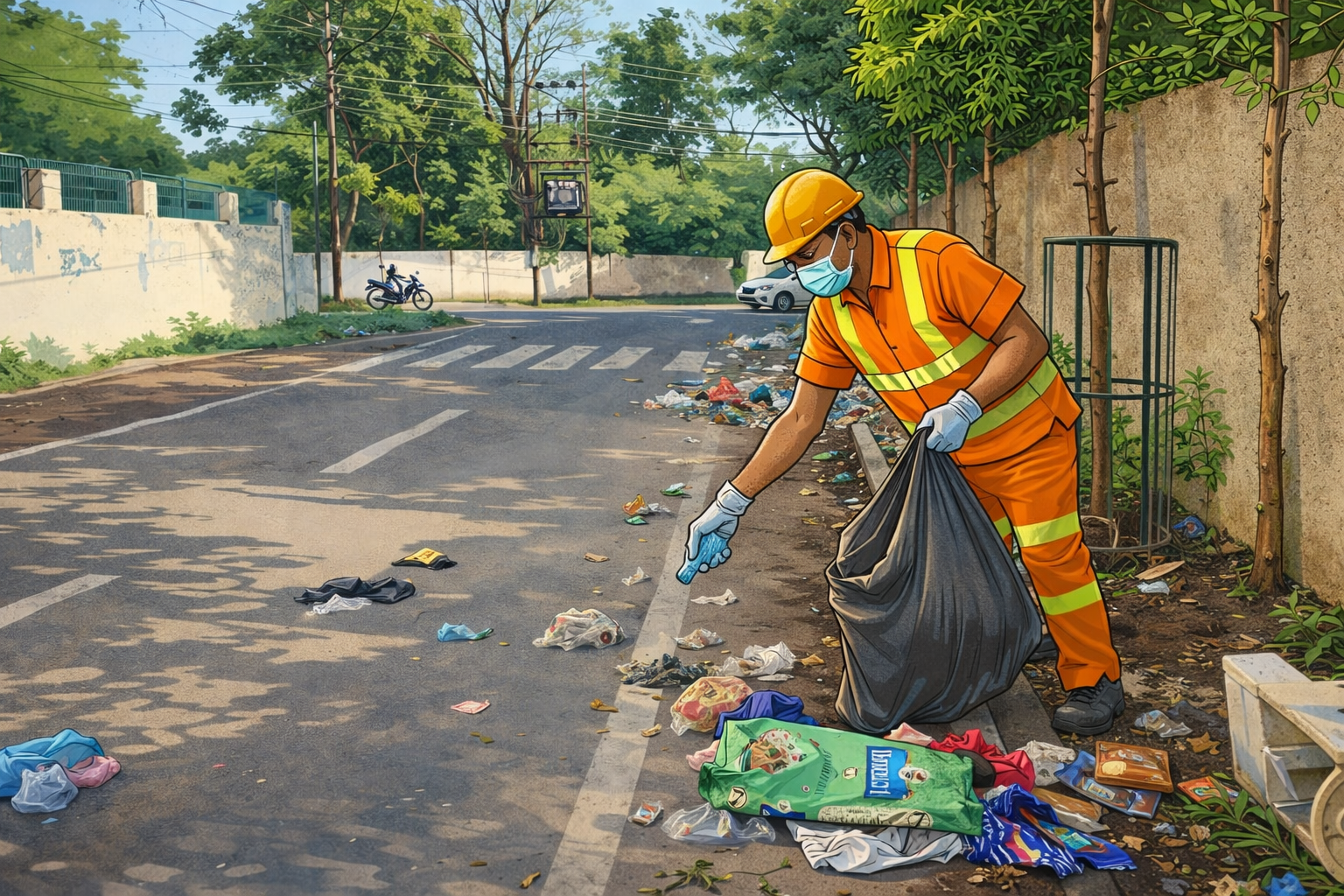
Governments across the globe, including India, have introduced measures to curb plastic pollution—such as banning thin plastic bags below a certain thickness. However, enforcement remains a challenge. Single-use plastics continue to be used indiscriminately and discarded without thought. Open garbage dumping and waste-littered streets remain stark and troubling realities.
The solution lies not only in policy but in people. Sustainable alternatives must be made accessible, affordable, and practical. More importantly, awareness must translate into action. Unless individuals consciously reduce their dependence on plastic, the problem will persist.
Educating communities about the long-term consequences of plastic pollution can inspire meaningful change. Small, consistent choices—like opting for cloth bags or reducing single-use items—can collectively make a significant difference.
It is time we act with responsibility and foresight. Let us embrace sustainable habits and move towards a cleaner, healthier planet.
Let’s go green—not just in thought, but in action. 🌱
Novin Christopher