LPG Crisis and Chaos: The Growing Energy Challenge and India’s Strategic Response By Dhanesh Verma
LPG Crisis and Chaos: The Growing Energy Challenge and India’s Strategic Response
By Dhanesh Verma
The global energy landscape is once again witnessing turbulence as the Liquefied Petroleum Gas (LPG) sector faces mounting pressure from geopolitical tensions, supply disruptions, and volatile pricing. What was once considered a stable household fuel is now at the center of an emerging crisis that could affect millions of consumers and reshape energy policies across developing economies, including India.
Global Supply Disruptions and Rising Demand
Over the past year, LPG demand has surged globally due to a combination of factors—rapid urbanization, increasing dependence on clean cooking fuels, and fluctuating availability of alternative fuels. Major exporters such as Qatar and the United States have faced logistical challenges and shifting export priorities.
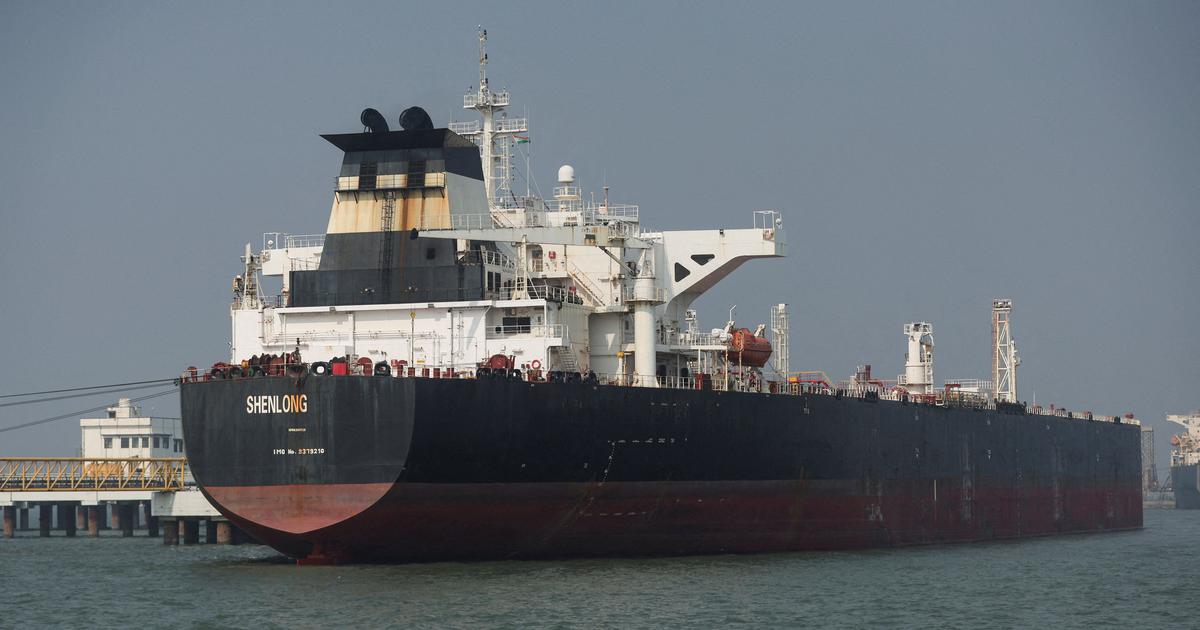
Meanwhile, geopolitical tensions in regions like the Middle East and supply chain disruptions caused by ongoing global conflicts have further tightened LPG availability. Shipping delays and rising freight costs are adding to the crisis, making imports more expensive for countries that rely heavily on foreign LPG supplies.
Impact on India’s Domestic Market
For India, where LPG has become a primary cooking fuel under government initiatives like the Pradhan Mantri Ujjwala Yojana, the stakes are particularly high. More than 300 million households depend on LPG cylinders, making any disruption not just an economic concern but a social one.
The rising international LPG prices have forced Indian oil marketing companies such as Indian Oil Corporation, Bharat Petroleum, and Hindustan Petroleum to adjust their procurement strategies. Although the government has attempted to shield consumers through subsidies, the long-term sustainability of these measures is under scrutiny.
Strategic Planning and Government Response
In response to the emerging crisis, policymakers in India are reportedly working on a multi-layered strategy:
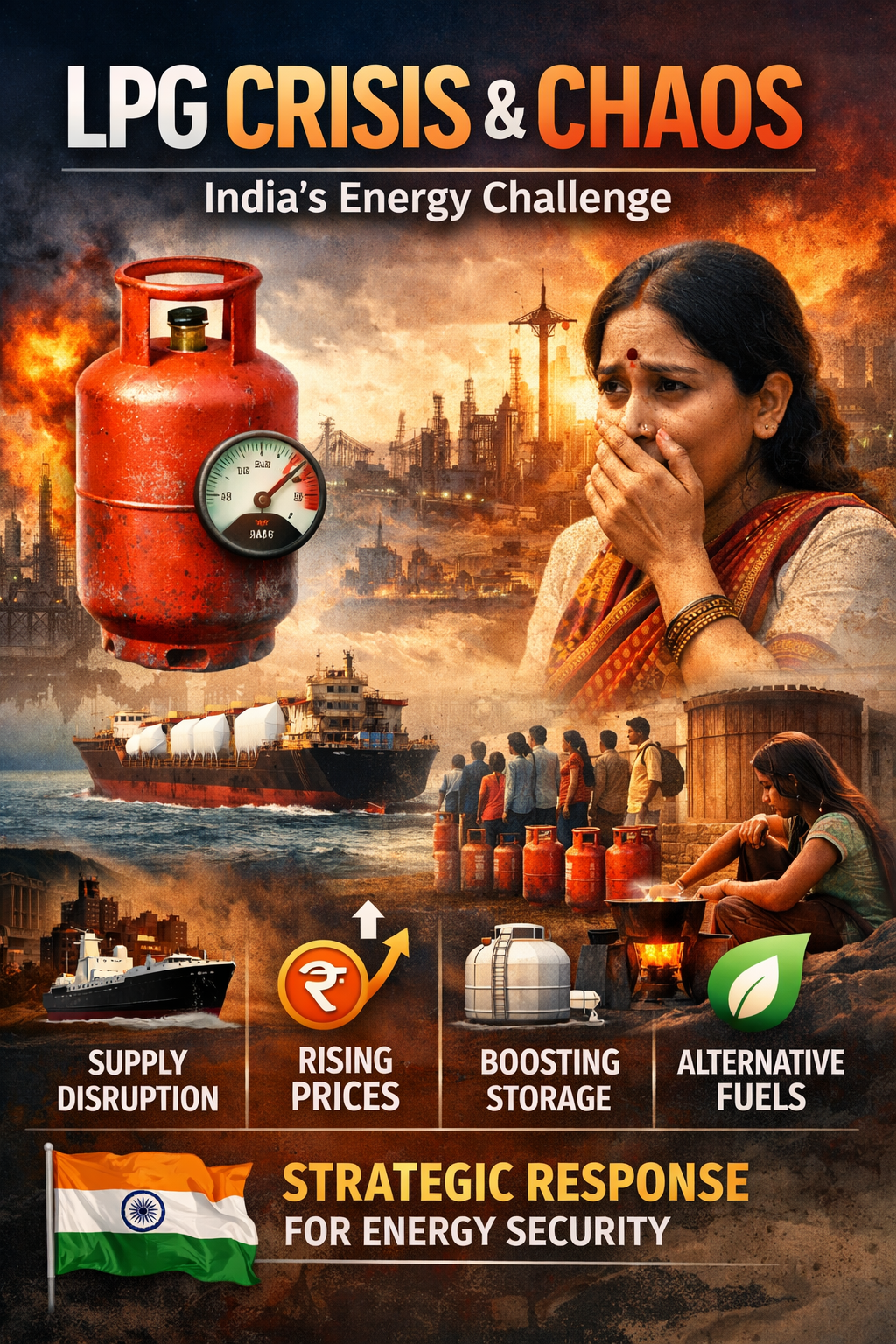
1. Diversifying Import Sources – Expanding procurement beyond traditional suppliers to stabilize supply chains.
2. Boosting Domestic Storage Capacity – Increasing LPG storage infrastructure to reduce vulnerability to short-term disruptions.
3. Promoting Alternative Fuels – Encouraging the use of bio-LPG, compressed biogas, and electric cooking solutions.
4. Reforming Subsidy Mechanisms – Targeting subsidies more efficiently to protect low-income households.
Experts believe that strengthening domestic refining and gas processing infrastructure will also play a crucial role in mitigating long-term LPG risks.
The Economic and Social Implications
An uncontrolled LPG crisis could have widespread consequences. Rising cylinder prices would directly impact household budgets, particularly among lower and middle-income families. Small businesses—such as street vendors, food stalls, and restaurants—would also face operational challenges due to higher fuel costs.
Furthermore, energy instability could slow down India’s transition toward cleaner fuels, pushing some households back to traditional biomass-based cooking methods, which carry serious environmental and health risks.
Looking Ahead
The LPG crisis is not merely a temporary disruption but a signal of deeper structural challenges in the global energy ecosystem. As countries race to balance energy security with sustainability, LPG markets are likely to remain volatile.
For India, the path forward lies in a strategic blend of diversified imports, domestic energy innovation, and targeted welfare policies. If executed effectively, the current crisis could become an opportunity to strengthen the country’s long-term energy resilience.
In an era defined by unpredictable global dynamics, the LPG sector stands as a reminder that energy security is not just about supply—it is about foresight, planning, and adaptability.