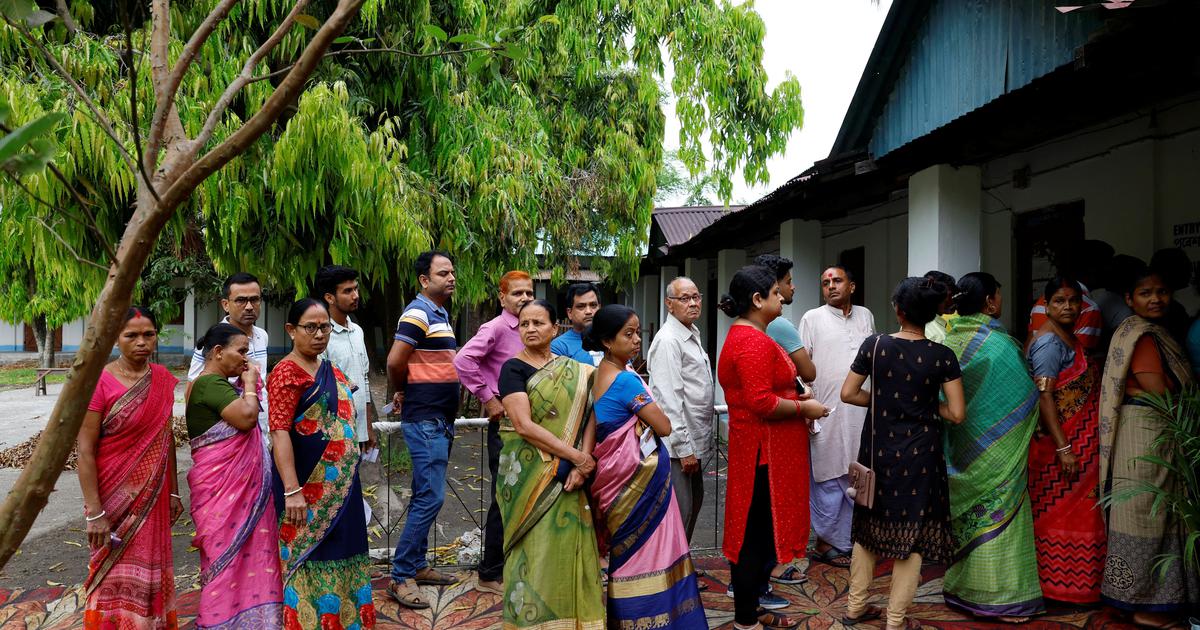
In the bustling streets of Bhalaswa, a locality in north-west Delhi, residents know Rama as the “cylinder wali madam”. For years, she has dedicated herself to helping low-income families transition from traditional wood and coal stoves to cleaner liquefied petroleum gas (LPG) connections. Her efforts were significantly supported by the Pradhan Mantri Ujjwala Yojana, a government initiative aimed at promoting LPG usage across the country. However, Rama’s mission has hit a stumbling block following a series of delays in LPG supply, which have been exacerbated by the ongoing conflict between Israel and Iran.
“It’s ironic that I’m known for helping others get LPG connections, yet I find myself struggling to secure a cylinder for my household,” Rama lamented during an interview with Mongabay-India. The crisis has led to the government implementing a 25-day waiting period for booking cylinders in urban locales, while rural areas face a frustrating 45-day delay. The escalating demand has created a backlog, particularly affecting residents in Delhi, Goa, Kerala, Uttar Pradesh, and Madhya Pradesh. Reports indicate that authorities have seized 15,000 cylinders that were hoarded, further complicating the situation.
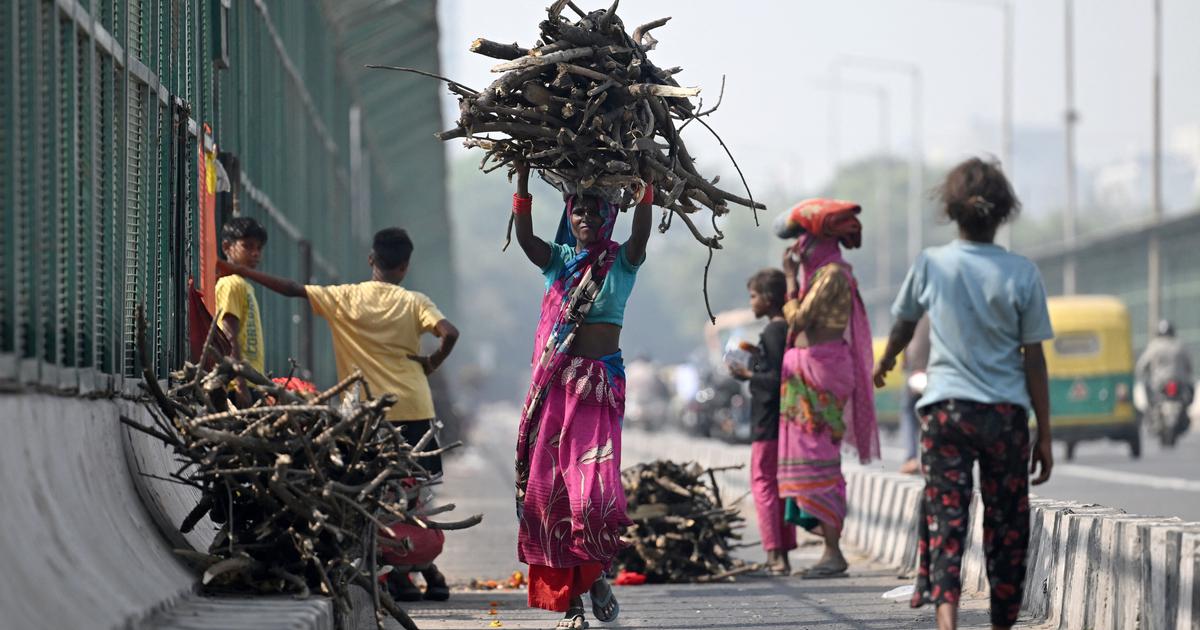
The turmoil in international affairs, particularly the strikes involving US and Israeli forces in Iran, has had a direct impact on Indian LPG supplies, leading to a drastic increase in the demand for cylinders. In the wake of this shortage, many households, restaurants, and hostels are increasingly reverting to using firewood as a cooking fuel, a concerning trend for health and environmental sustainability.
According to industry experts, nearly 60% of India’s LPG consumption is reliant on imports, with a staggering 90% sourced from West Asian nations. This heavy dependence on foreign supplies makes the country vulnerable to geopolitical tensions that can disrupt essential resources. Consequently, families like that of Chandni, a 32-year-old mother of four from Bhalaswa, find themselves in a difficult position as they struggle to adapt to the sudden constraints on clean cooking fuel.
The Ujjwala scheme, introduced to alleviate the hardships faced by low-income groups and to promote cleaner cooking practices, is now facing a major challenge. As households turn back to traditional fuels, there is a heightened risk of increased health hazards associated with indoor air pollution, which can exacerbate respiratory issues and other health problems.
While the government is working to address the supply chain disruptions, the current situation raises critical questions about the resilience of India’s energy policies and the urgent need for sustainable energy solutions. For many like Rama and Chandni, the hope remains that the government will swiftly resolve these supply issues and restore access to safe and clean cooking fuel.