Maharashtra Launches Innovative Leopard Contraception Initiative to Reduce Human-Wildlife Conflict
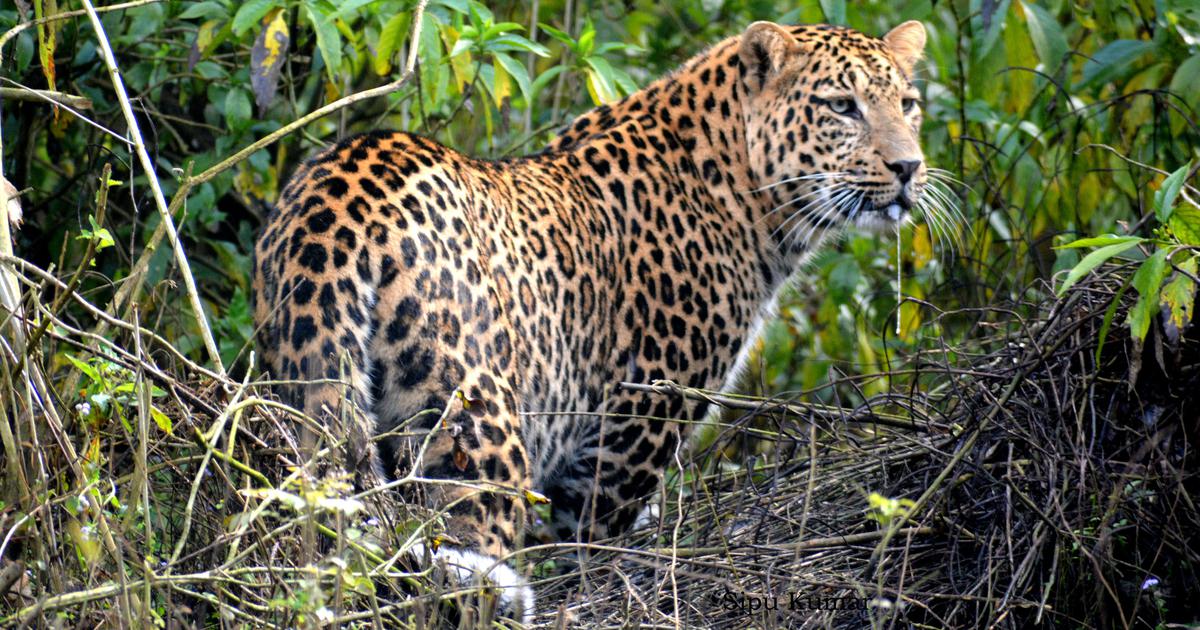
In a groundbreaking move aimed at addressing human-wildlife conflicts, the Maharashtra government has begun a trial program for controlling the leopard population through immunocontraception. Approved by the Ministry of Environment, Forests, and Climate Change last November, Maharashtra is now the first state in India to explore this non-invasive method of population control among leopards, which has become a pressing issue in the region.
The program is set to take place in the Junnar forest division, located near Pune, an area that has seen an alarming rise in negative interactions between humans and leopards. According to compensation records obtained by Mongabay-India, there have been 22 human fatalities and 42 injuries attributed to leopard attacks since 2021, alongside the loss of approximately 16,593 livestock. Such figures underscore the urgency of finding effective solutions to reduce these encounters.
While other Indian states have suggested similar methods to manage wildlife populations, Maharashtra’s approach focuses specifically on immunocontraception. This technique, clarified by Bilal Habib, a scientist from the Wildlife Institute of India (WII), involves administering a temporary vaccination that inhibits leopards from breeding for two to three years rather than opting for permanent sterilization. This method not only aims to lower the number of leopards in highly populated agricultural areas but also ensures the animals remain a part of the ecosystem.
The rationale behind this innovative approach rests on balancing the ecological importance of leopards, which play a vital role in maintaining the health of the ecosystem, with the safety of local communities. The pilot project is poised to demonstrate whether immunocontraception could serve as a viable strategy to mitigate the risks associated with human-leopard confrontations.
As the program unfolds in Junnar, it will be closely monitored for its effectiveness and practicality in reducing human casualties and livestock losses. If successful, this initiative could not only pave the way for similar projects across India but also foster a more harmonious coexistence between humans and wildlife, a necessity in an increasingly urbanized world. Maharashtra’s bold step forward might just set a precedent for how we manage our shared spaces with wildlife in the future.