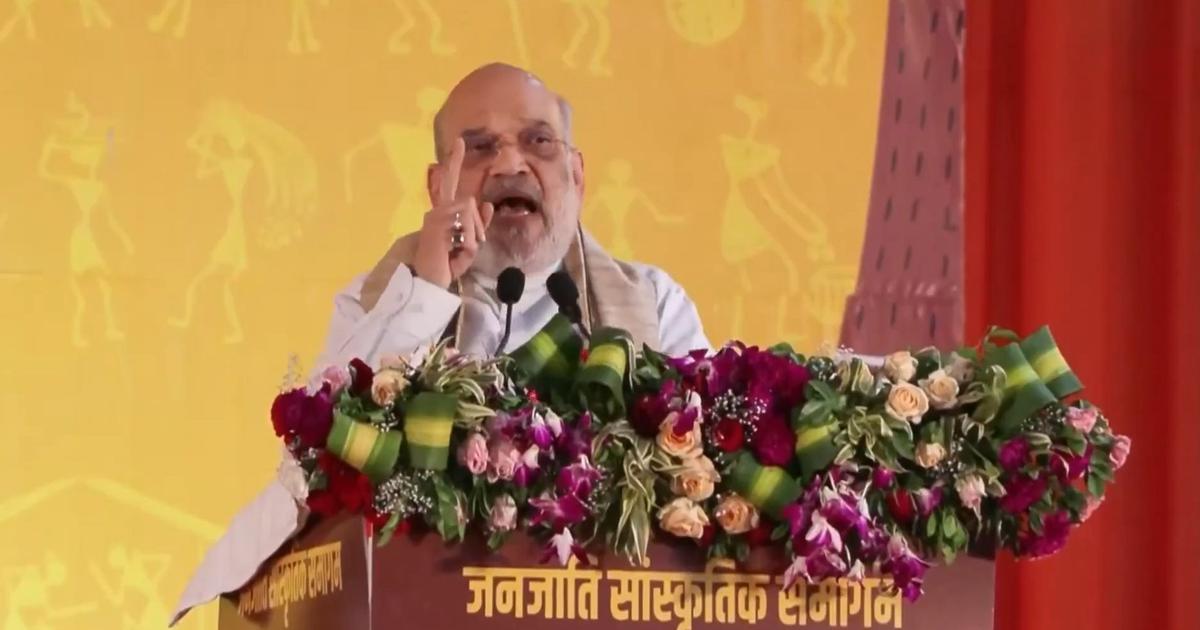
On May 24, the historic Red Fort in New Delhi became a vibrant hub of cultural celebration as millions of members from Scheduled Tribe communities across India convened for the Janjati Sanskritik Samagam, translating to ‘tribal cultural confluence.’ Organized by the Janjati Suraksha Manch, meaning ‘tribal protection forum,’ this event marked the 150th birth anniversary of the iconic Adivasi leader, Birsa Munda, revered for his fight against colonial exploitation.
The gathering, attended by notable dignitaries including Home Minister Amit Shah, was not merely a tribute to Munda’s legacy but also served as a platform to advocate for the preservation and protection of tribal identity and culture. In his address, Shah drew parallels between the contemporary movement and Munda’s historic Ulgulan revolt, emphasizing the need to reconnect with the roots of tribal heritage. He stated, “This andolan will connect us to the earth, save our culture, and unite our religion,” resonating with the sentiments of a community eager to reclaim its narrative.
However, beneath the surface of celebration lay a contentious issue that organizers chose not to highlight in their promotional materials. Several sources revealed that a critical demand from the event was aimed at revoking the Scheduled Tribe status of individuals who had converted to Christianity. This controversial call for delisting Christian tribals has sparked considerable debate within both the tribal communities and wider society.
While the event was framed as a celebration of tribal culture, the underlying motivations reflect a growing concern among certain groups about the impact of religious conversion on tribal identities. The Janjati Suraksha Manch, which played a pivotal role in organizing the event, openly acknowledged this objective during discussions with media representatives, emphasizing that such a stance was crucial for the preservation of their cultural heritage.
This demand to strip tribal status from Christian converts is seen not only as a challenge to the rights of individuals who choose to change their faith but also as a potential source of division within tribal communities themselves. Many tribal leaders worry that this stance could alienate members who have embraced Christianity, further complicating the already delicate dynamics of tribal identity in India.
The Indian government’s endorsement of the event, evidenced by the presence of senior officials like Amit Shah, raises questions about the broader implications of such demands. As the government seeks to unify various tribal factions under a common cultural identity, the push to exclude Christian tribals may undermine efforts to foster inclusivity and cohesion among diverse tribal populations.
As discussions around tribal rights and identity continue, the Janjati Sanskritik Samagam has undoubtedly brought to light the complexities inherent in the relationship between culture, religion, and political advocacy in India. Moving forward, the challenge will be to find a balance that honors the rights and identities of all tribal members, regardless of their religious affiliations.