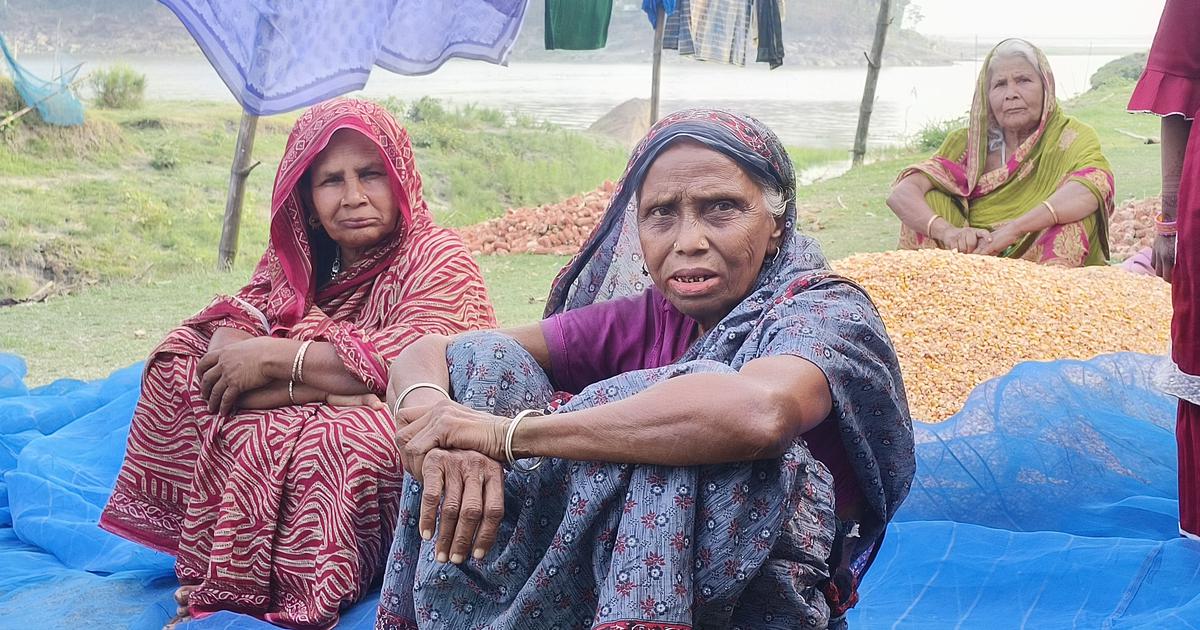
Shahjamal, a 55-year-old resident from Tinkonia village in Assam’s Bongaigaon district, reflects the sentiments of many in his community as they grapple with the repercussions of the Bharatiya Janata Party’s (BJP) governance over the past five years. Living precariously close to the Brahmaputra River, he often worries whether his home will be the first casualty to the river’s relentless erosion or the government’s demolition drives.
The Miya Muslims, a community primarily of Bengali-origin living in Assam, have faced significant challenges under the current BJP regime, led by Chief Minister Himanta Biswa Sarma. Often vilified as illegal immigrants from Bangladesh, this group has endured severe hardships, including the destruction of thousands of homes claimed to be constructed on public land. Allegations of unlawful evictions and deportations have further compounded their struggles, leaving many in fear and uncertainty.
In recent years, the government has intensified its efforts to clear encroachments, with demolitions affecting entire neighborhoods. Shahjamal’s family has not been spared; in October 2024, his brother’s house was demolished during a government-led campaign, a fate that befell many in their village. With the Brahmaputra’s waters encroaching and limited land available for agriculture or permanent housing, the community is left in a dire situation, clinging to hope in a seemingly hostile environment.
The situation worsened in May of the previous year when Shahjamal’s brother, Sahar Ali, faced additional crises. The fear of eviction looms large over the Miya Muslims, who feel increasingly marginalized as the state implements policies they believe are aimed specifically at them. The community’s resilience is being tested, yet they remain determined to survive despite feeling abandoned by the political system.
As the elections approach, many in the Miya Muslim community express a growing sense of hopelessness. With little faith in the political machinery that seems to overlook their plight, they prepare for what they believe will be another round of neglect. The voices of the Miya Muslims, while often drowned out in the political discourse, are a poignant reminder of the complexities surrounding identity, citizenship, and the right to land in contemporary India.