Moody’s Revises India’s Growth Forecast Down to 6% for 2026-27 Amid Geopolitical Tensions
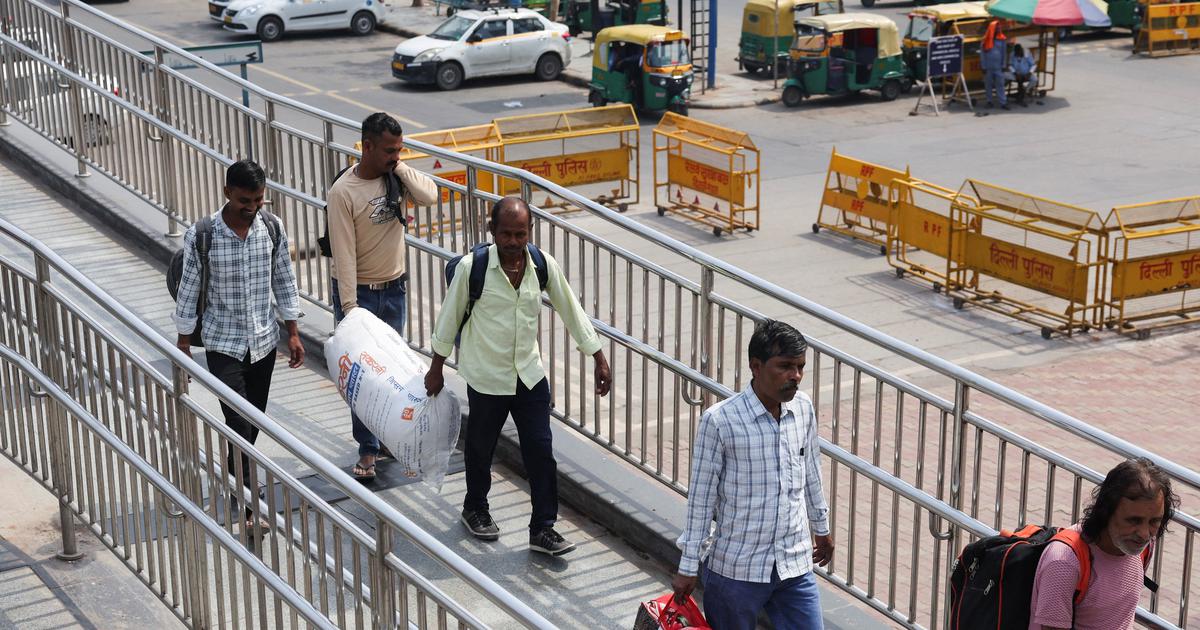
In a significant revision to its economic outlook, Moody’s Investors Service has lowered India’s growth forecast for the financial year 2026-2027 to 6%, down from an earlier estimate of 6.8%. The global ratings agency attributed this downward adjustment to the ongoing conflict in West Asia, particularly the impacts stemming from the war with Iran, which is causing disruptions in key supply chains.
The report, published on March 31, highlights that prolonged disruptions, especially concerning liquefied petroleum gas (LPG) supplies, are likely to lead to acute shortages at the household level. This situation is compounded by expected hikes in fuel and transport costs, which could subsequently translate into increased food inflation, given India’s reliance on imported fertilizers for its agricultural sector.
Moody’s analysis indicates that the reduction of real Gross Domestic Product (GDP) growth to 6% is largely driven by several economic factors. These include a notable decline in private consumption, softer industrial activities, and a slowdown in gross fixed capital formation—elements that are all under pressure due to elevated prices and rising input costs. The agency’s report paints a concerning picture for the Indian economy, as these factors will likely hamper economic momentum in the near term.
In terms of inflation, Moody’s predicts that average inflation rates in India could rise to 4.8% in 2026-27, a notable increase from the current 2.4% projected for 2025-26. The report emphasizes that while inflation remains relatively contained at present, geopolitical uncertainties are pushing the inflation outlook to the upside. This underscores the delicate balance that policymakers will need to strike in the coming years as they navigate these challenges.
Additionally, the agency suggests that interest rates may remain steady or experience gradual increases throughout 2026-27, depending largely on the duration of the conflict in West Asia and its broader implications on fuel and food prices. This scenario places considerable pressure on the Indian government and monetary authorities as they strive to maintain economic stability amidst growing global tensions.