This summer, the Brihanmumbai Municipal Corporation (BMC) took a significant step to manage its dwindling water supply by implementing a 10% water cut starting May 15. As of June 3, the water levels in the seven lakes that supply Mumbai’s water had fallen sharply, leaving the city with enough supply for just 45 days ahead of what many fear could be a below-average monsoon season.
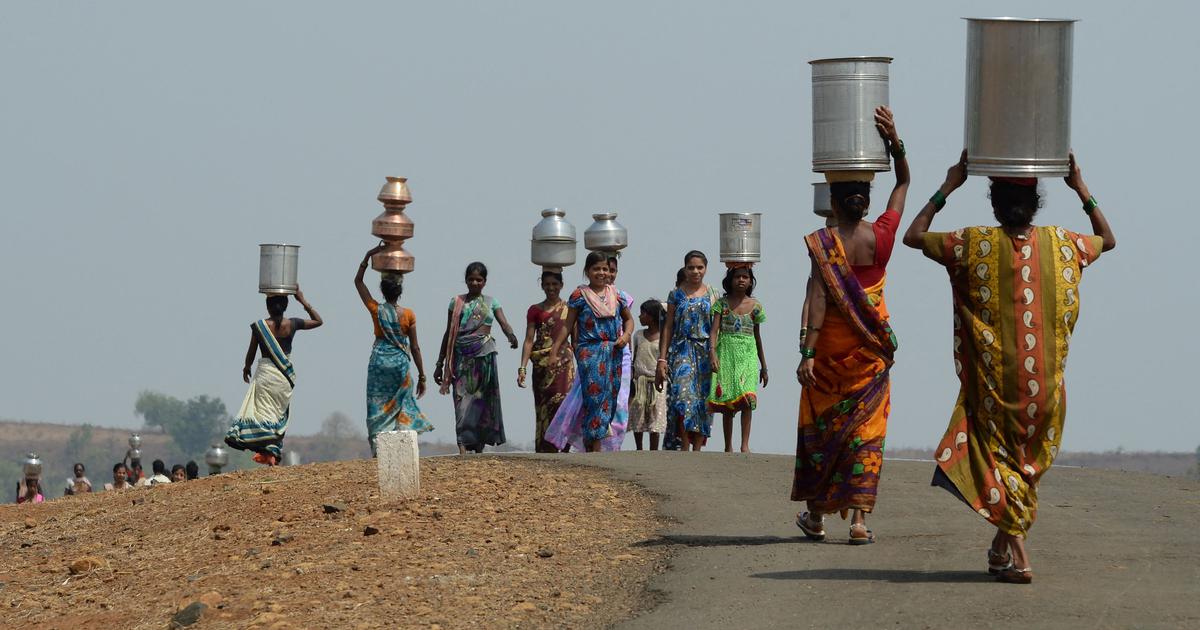
While Mumbai grapples with its own water scarcity, the situation is far worse for cities in the surrounding Mumbai Metropolitan Region. Neighbouring areas such as Vasai-Virar, Bhiwandi-Nizampur, and Mira-Bhayandar are suffering from severe water shortages, becoming increasingly reliant on water tankers. Despite being in close proximity to the very dams that supply Mumbai, many villages within these regions face routine water shortages, highlighting a stark disparity in resource allocation.
Interestingly, Mumbai enjoys a luxurious water supply, providing over 200 litres per capita per day, significantly surpassing the national benchmark. In stark contrast, residents of Vasai-Virar receive a mere 70 litres per capita per day, while people in Bhiwandi-Nizampur and Mira-Bhayandar are limited to 100 and 105 litres, respectively. These figures are alarming, as they fall well below the prescribed standard of 135 litres per capita.
The crisis underscores a larger issue at play: the way Mumbai has asserted control over regional water resources. Without expanding its geographical footprint, the city has redefined water management in ways that disproportionately favor its own population at the expense of nearby communities. This long-standing approach to resource allocation raises critical questions about equity and sustainability in water distribution across the region.
The sources of Mumbai’s water are varied, with most of it being sourced from distant reservoirs and lakes. As the monsoon approaches, the dependency on these external water bodies becomes even more pronounced. The looming threat of a weak monsoon season further exacerbates the situation, making it imperative for the administration to come up with sustainable solutions that ensure equitable water distribution for all residents in the metropolitan area.