NATIONAL ENERGY CRUNCH ESCALATES; FOOD SECURITY AND CHILD NUTRITION UNDER IMMINENT THREAT
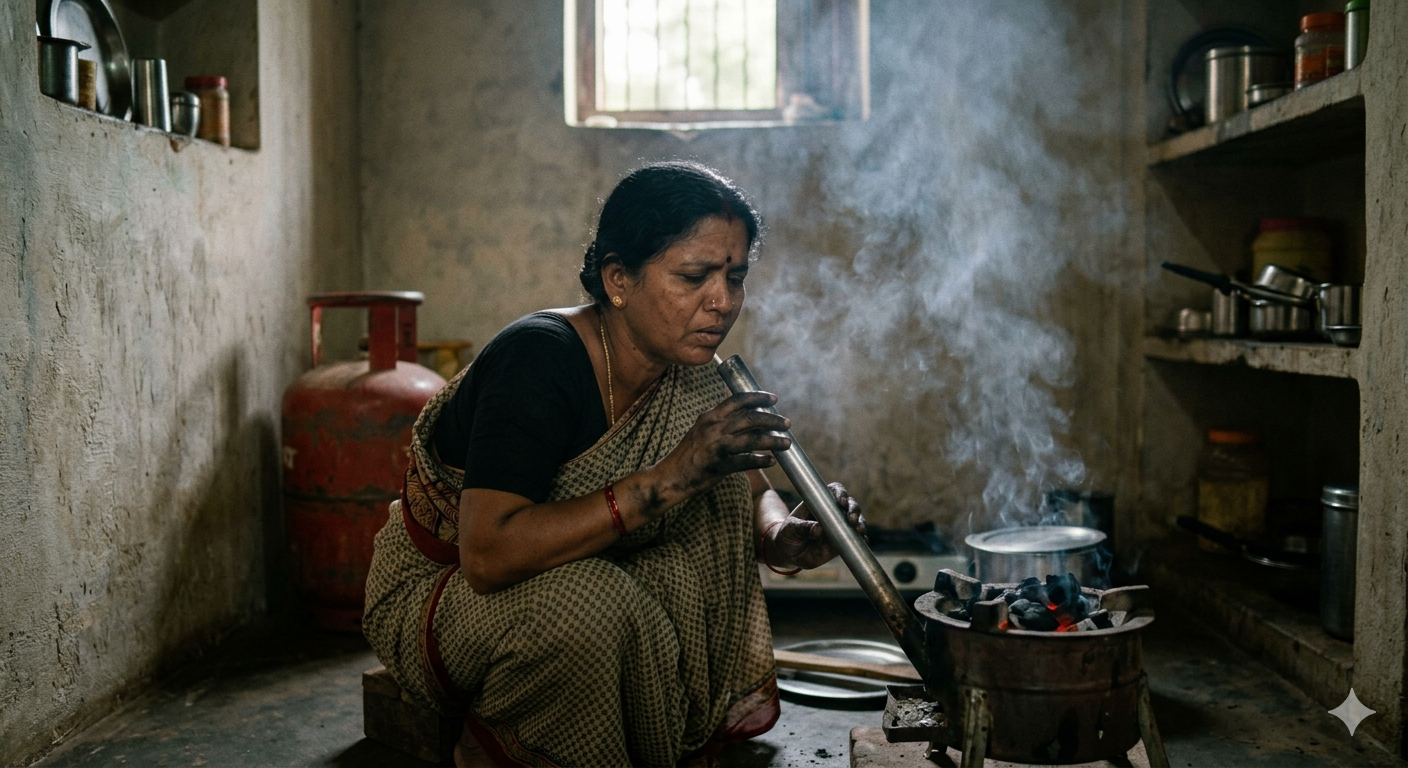
Kolkata — India is currently standing on the precipice of a multifaceted humanitarian crisis as a direct fallout of the escalating war in the Middle East. What began as a disruption in global energy supply chains has rapidly mutated into a domestic emergency, with a critical shortage of Liquefied Petroleum Gas (LPG) threatening to destabilize not just the nation’s kitchens, but its fundamental nutritional security.
As LPG cylinder stocks plummet, a wave of panic has seized the consumer market. Retailers across the country report a staggering 20-fold increase in the sale of induction cookers. This is not a planned transition to green energy; it is a desperate scramble for survival. Households are forced to hedge their bets, utilizing both induction and gas to stretch meager supplies. However, for a large portion of the population, the rising cost of electricity and the initial investment in new appliances offer no sanctuary from the looming cold hearths.
The implications of this shortage extend far beyond the kitchen. We are witnessing the beginning of a catastrophic collapse in the fresh produce ecosystem. As the ability to cook fresh food diminishes, consumer behaviour is shifting toward shelf-stable, often less nutritious alternatives.
The economic fallout is projected to be devastating. A sharp decline in the demand for perishables will leave farmers with rotting harvests and mounting debt. Farmer Producer Organizations (FPOs), such as Sufal Bangla, and vital supply chain networks will be facing a total breakdown in demand-side logistics. Online grocery sector, which thrives on fresh deliveries, will be bracing for a major downward spiral.
The most harrowing aspect of this crisis is the looming shadow of under-nourishment. If the LPG shortage lingers for too long, experts warn of a significant decline in the nutritional intake of the population. The most vulnerable demographic, children, stands at the highest risk. Without affordable and reliable fuel, the preparation of balanced, protein-rich fresh meals becomes an impossibility for millions of families. We are no longer just discussing an energy shortage; we are discussing a potential generational health crisis.
The commercial sector is feeling the burn even more acutely. While domestic supplies remain precariously thin, the commercial LPG market is in a state of near-total paralysis. In a bid to stay afloat, restaurant owners are reportedly considering a regressive shift back to coal, a move that would undo years of environmental progress.
The current strategy of “paying extra” for black-market cylinders is a short-sighted trap. The duration of the Middle-East conflict remains an unknown variable, and the “near future” looks increasingly grim. Grit alone cannot sustain a nation when its basic energy needs are unmet.
The government must act with absolute urgency to implement sustainable, alternative energy solutions and stabilize the LPG supply chain. This is a race against time. If the state does not intervene immediately to bridge the gap between urban and rural energy access, the cost will be measured not in rupees, but in the health and well-being especially of children.