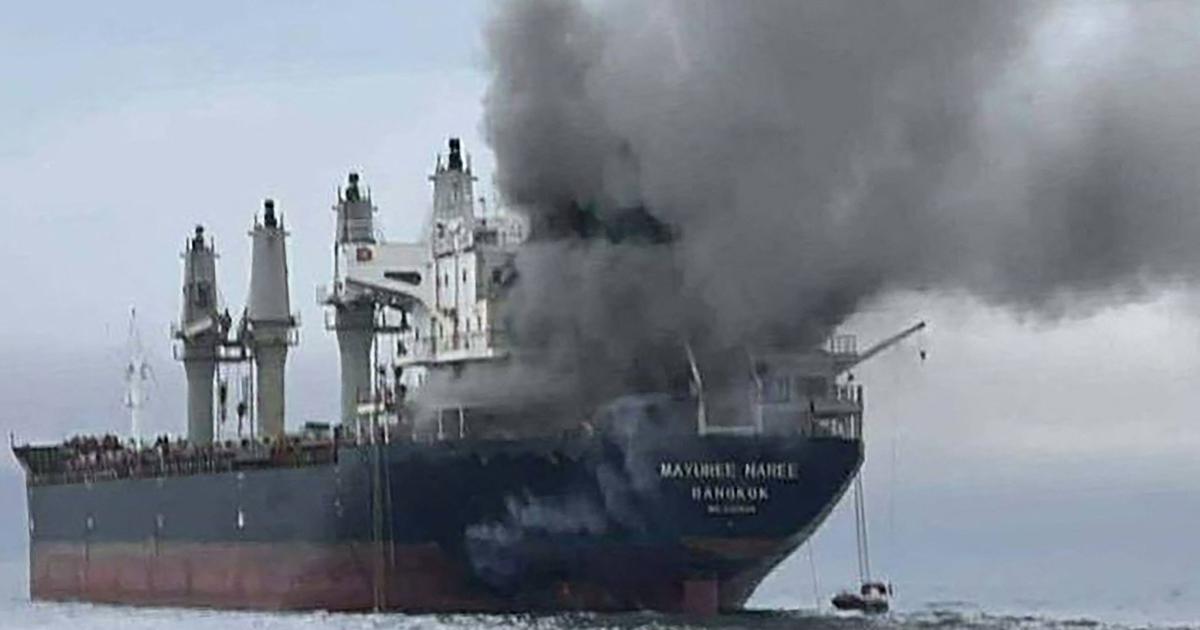
The strategic Strait of Hormuz, a vital maritime route for global oil and gas shipments, has become a flashpoint in the ongoing tensions between the United States, Israel, and Iran. Following the commencement of military operations against Iran by the US and Israel in late February, Iran has retaliated by attacking commercial vessels in this crucial waterway, significantly disrupting international shipping and contributing to a worldwide fuel crisis.
Despite some vessels managing to navigate through this narrow passage, the geopolitical ramifications have been profound. The closures have sparked concerns in global markets, causing oil prices to soar and raising alarms among nations dependent on energy imports. In response, US President Donald Trump has issued a stern ultimatum to Iran, demanding the full reopening of the Strait of Hormuz while also urging NATO allies to cooperate in addressing the crisis.
To gain insight into the military strategies required to restore safe passage for commercial ships, we reached out to naval analyst Jennifer Parker, who boasts two decades of experience with the Royal Australian Navy. According to Parker, Iran’s geographical advantage in the northern Persian Gulf allows it to use cost-effective weaponry, such as drones, to target vessels traversing the strait. The complexities of the situation call for a meticulously planned two-phase military campaign to enhance maritime safety in the region.
The first phase of this campaign would necessitate neutralizing Iran’s capabilities to target ships. This could be achieved through diplomatic channels to persuade Iran to cease its aggressive actions or, alternatively, through direct military action aimed at dismantling its radar systems and command structures. However, such a military escalation carries significant risks, as it could provoke a broader conflict that might engulf the region.
The intricacies of this dilemma are further compounded by the potential for international backlash. Many nations, particularly those with vested interests in Middle Eastern stability, may oppose a heavy-handed approach. Historical precedents illustrate that military interventions often lead to unintended consequences, including extended conflicts and humanitarian crises. Thus, while the US considers its options, the question remains: what strategy can effectively safeguard commercial shipping without igniting a larger war?
As the situation evolves, the global community watches closely. The repercussions of the current standoff in the Strait of Hormuz extend beyond immediate economic concerns, influencing geopolitical alliances and security frameworks in the region. For India, which relies heavily on oil imports that transit through this strait, the stakes are particularly high. The Indian government must navigate its diplomatic relations carefully, balancing its ties with both the US and Iran while advocating for peace and stability in this crucial maritime corridor.