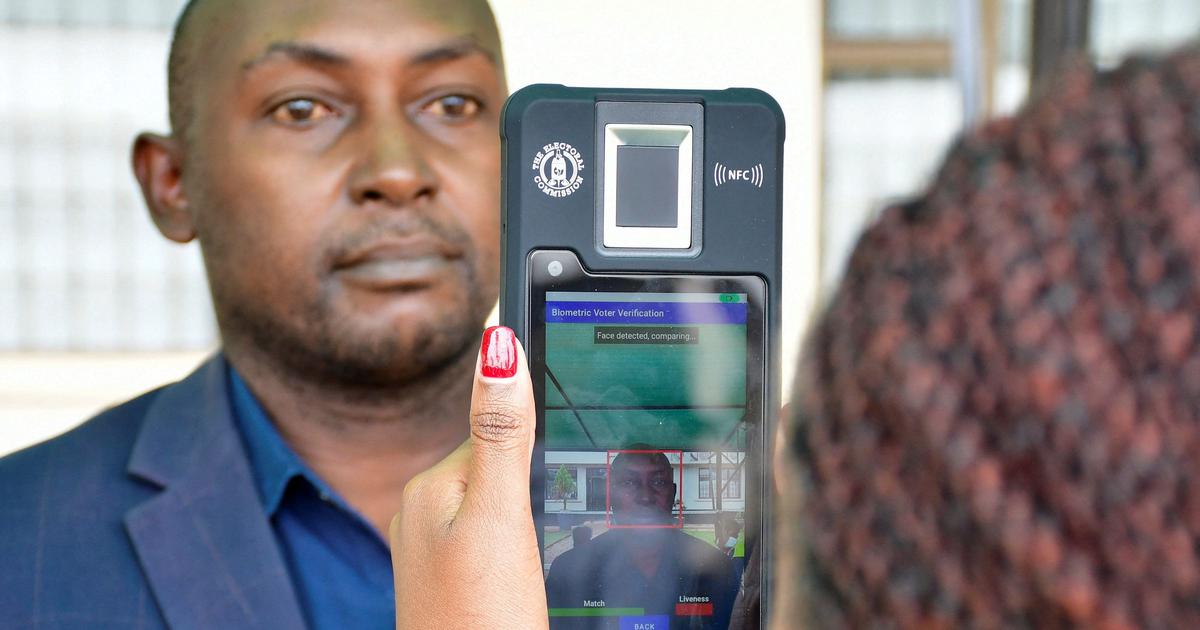
In today’s fast-paced world, biometric technology has seamlessly integrated into our lives, often without us even realizing its presence. Whether unlocking smartphones with facial recognition, accessing laptops via fingerprints, or breezing through airport checkpoints with a mere glance at a camera, biometrics are redefining convenience and security.
This technology falls into two primary categories: physiological traits, such as fingerprints, facial features, and irises, and behavioral characteristics like typing patterns and walking styles. While these systems are designed to be user-friendly and reliable, they are not devoid of vulnerabilities and risks that could compromise user privacy.
In the context of India, the proliferation of biometric systems has been particularly noteworthy. Banks and retailers are leveraging these technologies to enhance customer experiences and security. For instance, many financial institutions monitor user interactions through their devices, capturing data on swipes, taps, and even the pressure exerted on the screen. This not only streamlines transactions but also helps to detect fraudulent activities. If an unauthorized user attempts to access a banking application on an unlocked phone, the system may automatically trigger alerts, preventing potential financial losses.
Moreover, research indicates that biometric data can reveal more about users than initially anticipated. For example, studies have shown that the timing of a user’s keystrokes can provide insights into their name and even their mother tongue. This raises significant questions about privacy and data security, particularly in a diverse country like India, where identity theft and cybercrime are growing concerns.
As we embrace the convenience offered by biometric technology, it is also imperative to recognize the potential ramifications. With the increasing reliance on biometrics across various sectors, from banking to healthcare, the importance of safeguarding this sensitive information cannot be overstated. Awareness and education about the risks associated with biometric data are crucial for users to make informed decisions about their personal information.
While biometric technology undoubtedly enhances efficiency and security, the challenge lies in ensuring that these advancements do not come at the cost of user privacy. As citizens, it is essential to advocate for robust data protection laws and ethical standards that govern the use of biometric technology in India. Only then can we fully benefit from these innovations without compromising our fundamental rights.