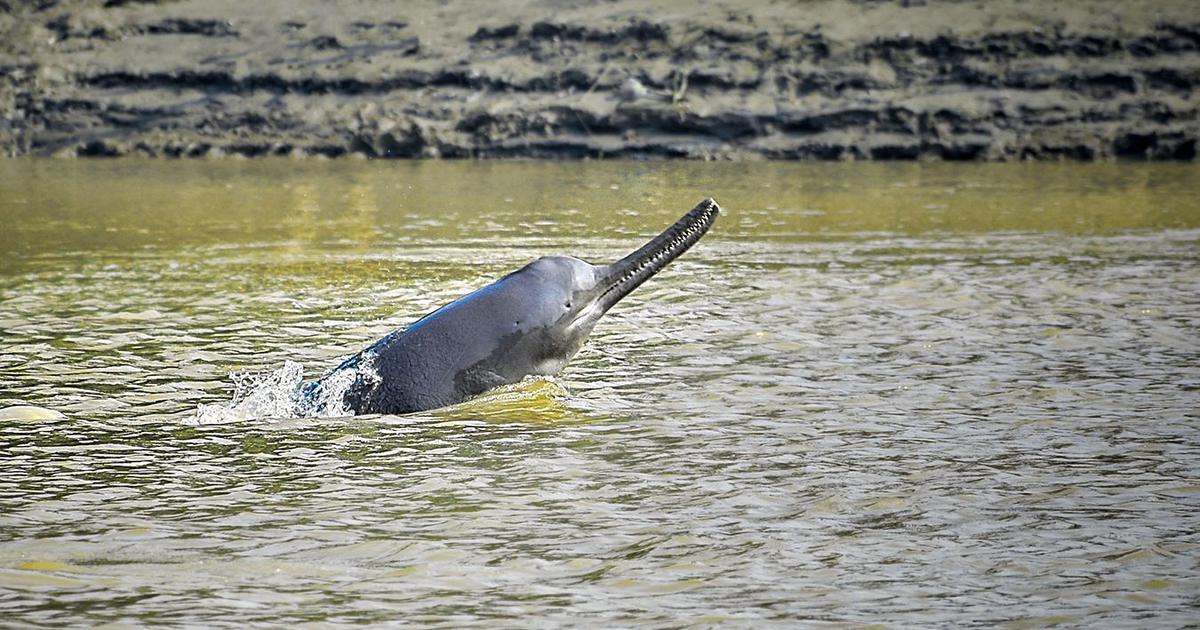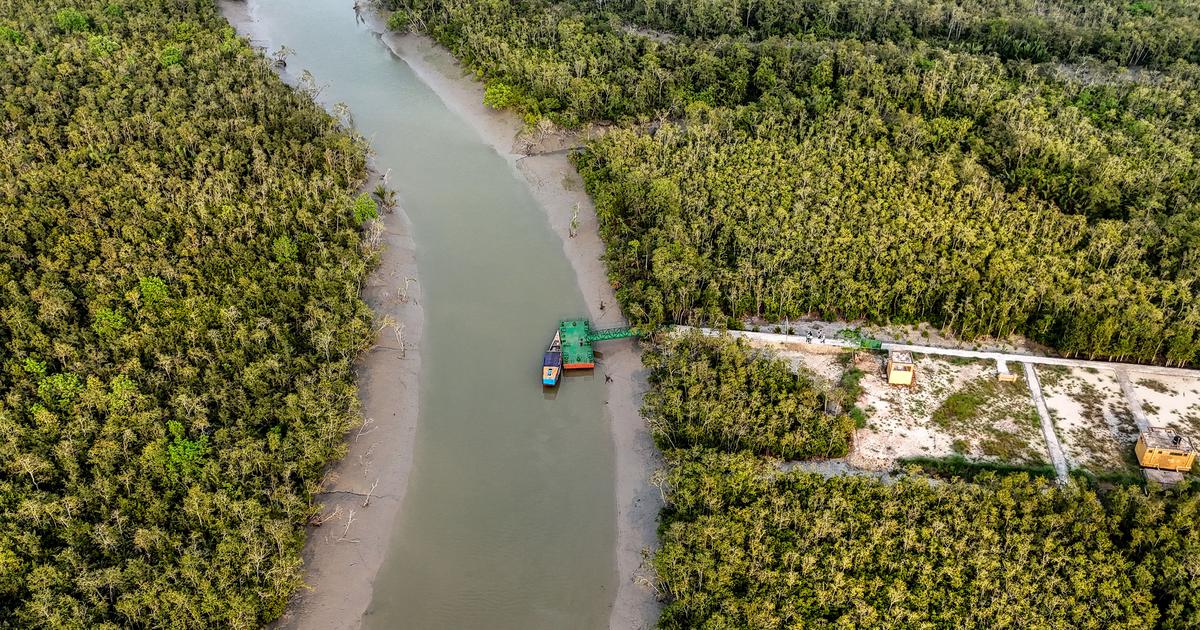
The recent political shifts in Bangladesh and India have provided a renewed focus on the crucial shared river systems of the Ganges and the Teesta. These rivers not only serve as lifelines for millions but also represent a complex history of water-sharing disputes that have persisted for decades. With changes in governance on both sides of the border, there exists a unique opportunity to enhance cooperation over these vital resources.
The Teesta River, originating in the northeastern Indian state of Sikkim and flowing through West Bengal into Bangladesh, has been at the heart of a prolonged stalemate regarding water-sharing agreements. This issue has been exacerbated by the competing demands of agricultural needs and the impacts of climate change. The Ganges, another crucial river, is facing its own challenges, with its existing treaty set to expire later this year. The recent political developments may pave the way for a more collaborative approach to managing these rivers.
In February 2026, the Bangladesh Nationalist Party (BNP) successfully formed a new government, marking a significant political shift. This change has been met with swift diplomatic gestures from India, reflecting an eagerness to strengthen bilateral relations. Notably, India reinstated visa services, making it easier for citizens to travel across the border. Furthermore, Dinesh Trivedi, a seasoned politician with deep roots in West Bengal, has been appointed as India’s next envoy to Dhaka. This move signals India’s commitment to engage directly with Bangladesh on sensitive issues, particularly those related to water-sharing.
On the Indian side, the political landscape also underwent a significant transformation in May when the Bharatiya Janata Party (BJP) clinched victory in West Bengal. This win not only marks the BJP’s inaugural governance in the state but also consolidates its power across several states that share borders with Bangladesh. The party has branded this scenario as a “double-engine government,” suggesting enhanced efficiency and coordination in policy implementation, particularly regarding cross-border issues such as water resource management.
These concurrent political changes open the door for a renewed dialogue on water-sharing agreements. Both nations have much to gain from cooperative management of these rivers, as joint efforts could lead to sustainable solutions that address the needs of all stakeholders involved. As the Ganges treaty approaches its expiration, there is an urgent need for both governments to negotiate in good faith to establish a fair and lasting agreement that benefits both countries.
Furthermore, the implications of effective water management extend beyond just immediate water needs. They encompass broader environmental concerns, economic cooperation, and the strengthening of diplomatic ties. As both governments navigate this new political landscape, the focus on mutual interests in water sharing could very well serve as a foundation for improved relations, fostering peace and collaboration in the region.