Why Heatwaves Hit Harder in the UK Compared to India and Spain
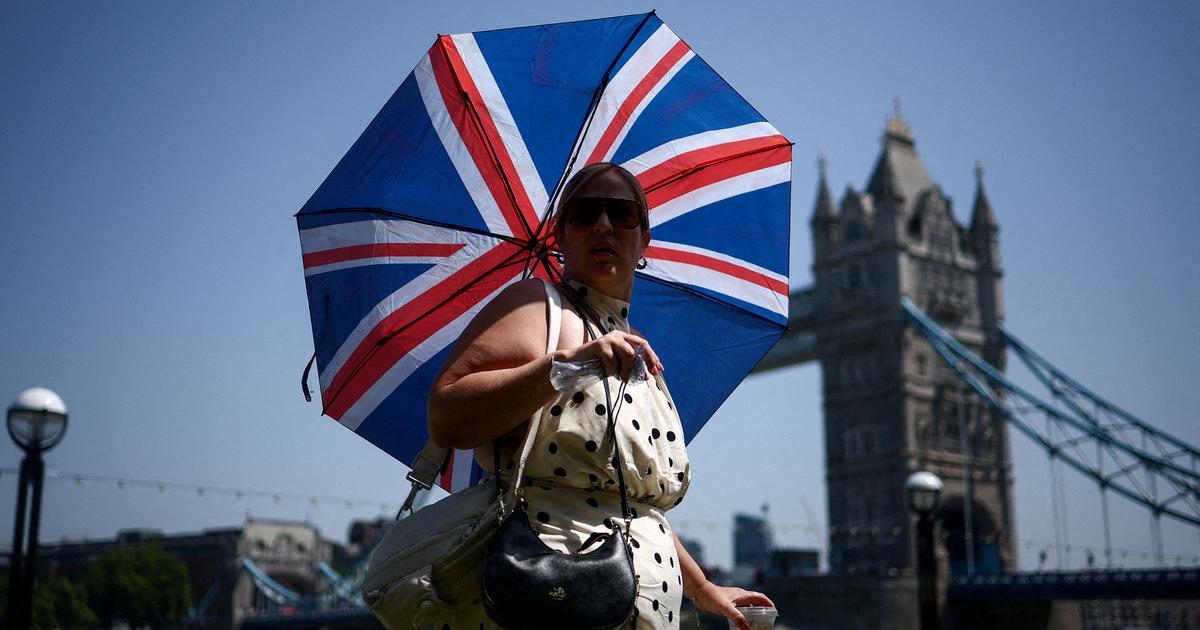
As the UK grapples with rising temperatures during heatwaves, a frequent question arises: why do the British seem to struggle more with heat than residents of warmer countries like Spain, Greece, or India? The answer lies not just in the temperature itself, but also in a complex interplay of humidity, housing conditions, cultural acclimatization, and geographical factors.
One of the primary reasons British heatwaves are felt more acutely is the humidity levels. The UK, being an island nation, is surrounded by seas and is influenced by the North Atlantic's moist air. This results in a more humid climate compared to many inland European cities. For instance, while Madrid may bask in a sweltering 35°C with a relative humidity of around 20%, London can experience similar temperatures but with humidity levels soaring above 40%. This significant difference in moisture content in the air plays a crucial role in how heat is perceived and tolerated.
Humidity directly affects the body's ability to cool itself through sweating. When the air is saturated with moisture, sweat evaporates less efficiently, which impairs the natural cooling process. Our bodies rely on sweat evaporation to cool down; as sweat evaporates, it absorbs heat, helping to regulate our body temperature. In high humidity, the body's cooling mechanism struggles, leading to an increased risk of heat exhaustion and related health issues.
Beyond humidity, the British housing architecture further compounds the discomfort during heatwaves. Many homes in the UK are designed to retain warmth during the colder months, often lacking the ventilation needed to dissipate heat effectively. In contrast, countries like India and Spain typically have architectural styles that incorporate cooling features such as thick walls, high ceilings, and shaded patios, better suited to manage heat. Moreover, the British are generally less accustomed to extreme heat, as the country experiences milder summers compared to regions with consistently high temperatures.
The cultural understanding of heat also varies significantly. In India, where heat is a part of life, people have adapted their lifestyles accordingly. Whether it’s using traditional cooling methods like fans and thick walls or planning activities around the cooler parts of the day, there’s a learned resilience to cope with high temperatures. Similarly, in Spain, siestas and late-night socializing help mitigate the impact of the heat. In contrast, the UK’s relatively cooler climate means that many residents lack the experience and lifestyle adaptations that help others manage intense heat.
In summary, while the UK may be facing unprecedented heatwaves, the discomfort they bring is intensified by humidity, housing design, and a lack of familiarity with extreme temperatures. As global temperatures continue to rise and heatwaves become more common, understanding these factors is vital not only for coping strategies but also for effective public health responses. The lessons learned from countries accustomed to heat may offer valuable insights for the UK as it navigates the challenges of an increasingly warm climate.