DOORS HARITAGE CULTURE AND HISTORY
The Dooars, meaning “doors” or “gateways” to Bhutan and Northeast India, is a Himalayan foothill region spread across parts of North Bengal and Assam. Its history has been shaped by the Koch and Bhutanese kingdoms, British colonial rule, tea plantations, forestry, and the movement of different communities into the region.
History
Early Roots and Kingdoms: The Dooars was historically associated with the Kamrup region and later came under the Kamtapur and Koch kingdoms. From the 18th century, Bhutanese influence expanded over parts of the region, including the Western and Eastern Dooars.
British Annexation: Following the Anglo-Bhutan War of 1864–65, the Treaty of Sinchula in 1865 transferred the Dooars to British India. The region was subsequently divided into Western and Eastern Dooars. The Western Dooars became part of the newly constituted Jalpaiguri district in 1869, while the Eastern Dooars was associated with Assam.
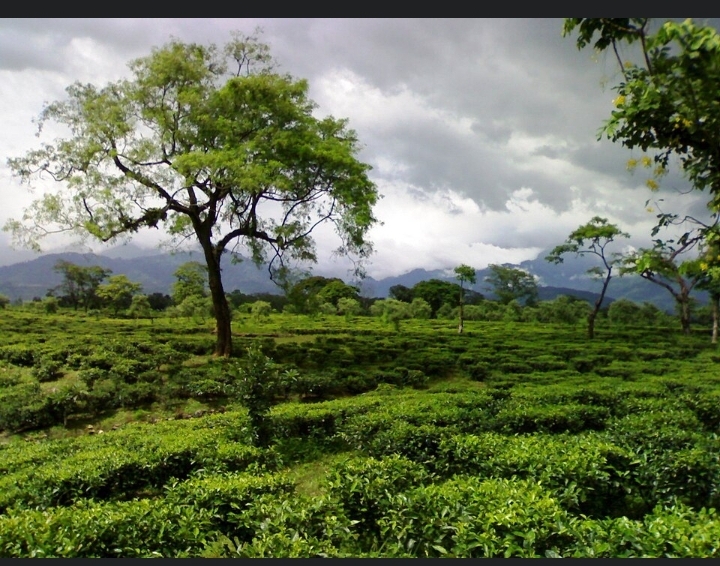
Tea and Timber Economy: British rule brought major changes to the region's economy. Commercial tea cultivation expanded in the Dooars during the 1870s, while forestry and the development of roads and railways further transformed the landscape. The growth of tea plantations also led to the migration of large numbers of workers from regions such as Chhotanagpur and other parts of eastern India.
Post-1947 Significance: After India's independence, the Dooars became part of independent India. The region has continued to have strategic and economic importance because of its location near Bhutan and the wider northeastern region.
Culture and Heritage
Diverse Communities: The Dooars is home to a diverse population, including Koch-Rajbanshi, Mech, Toto, Rabha and Garo communities, as well as tea-garden communities with roots in areas such as Chhotanagpur. Oraon, Santal, Munda and Kharia communities have a significant historical association with the tea plantations of the region.
Traditions, Music and Dance: The region's cultural traditions reflect its diverse social composition. Folk songs, dances, agricultural practices and seasonal festivals form an important part of community life in the Dooars.
Food: Local food traditions reflect the cultural diversity of North Bengal and the communities that have settled in the region. Rice, locally available greens, bamboo-shoot preparations, traditional snacks and other regional dishes are commonly associated with the area's food culture.
Living Heritage: Historic tea estates and forest areas remain important parts of the Dooars' cultural and ecological identity. Areas such as Gorumara, Jaldapara and Buxa are particularly significant for the region's forests and wildlife, while the tea gardens of Jalpaiguri and Alipurduar reflect the area's long association with plantation agriculture.
The Dooars therefore represents a distinctive combination of historical change, tea-plantation heritage, forests and cultural diversity, shaped by centuries of interaction between local communities, Bhutanese rule and colonial-era economic development.