Environment and Nature
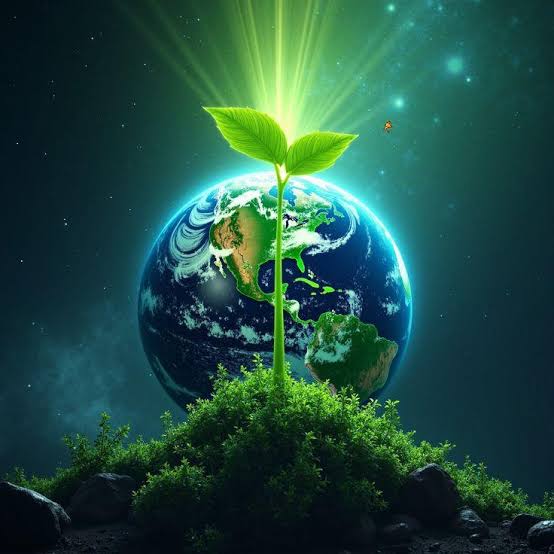
The Environment and the Importance of Protecting Nature
The natural environment includes all living (biotic) and non-living (abiotic) elements that occur naturally on Earth. It encompasses air, water, land, plants, animals and sunlight, all of which contribute to maintaining ecological balance and supporting life.
Environmental issues and natural resource management have become increasingly significant in world politics. Since the 1960s, environmental movements have gained prominence, drawing attention to the need for conservation and sustainable resource use. Concepts such as common-property resources and the global commons are also important in understanding environmental challenges from a global perspective.
Nature provides essential resources for human survival, including breathable air, clean water, fertile soil and food. Human life depends on these natural systems, but activities such as pollution, deforestation and the excessive use of natural resources can disrupt ecological balance. These challenges highlight the need for responsible environmental practices and timely action.
The environment shapes human life from birth to death and provides the conditions necessary for growth and development. Although nature can be beautiful and peaceful, it can also present challenges that humans must understand and adapt to.
Modern technology has given people greater control over their surroundings, but some technological and industrial activities have also contributed to environmental damage. As human activities increasingly affect natural ecosystems, protecting biodiversity, conserving resources and adopting sustainable practices have become essential for the well-being of present and future generations.