'I've never been to Afghanistan': Six million deportees forced to start over under the Taliban
Afghan Families Face Difficult Return as Deportations from Pakistan and Iran Continue
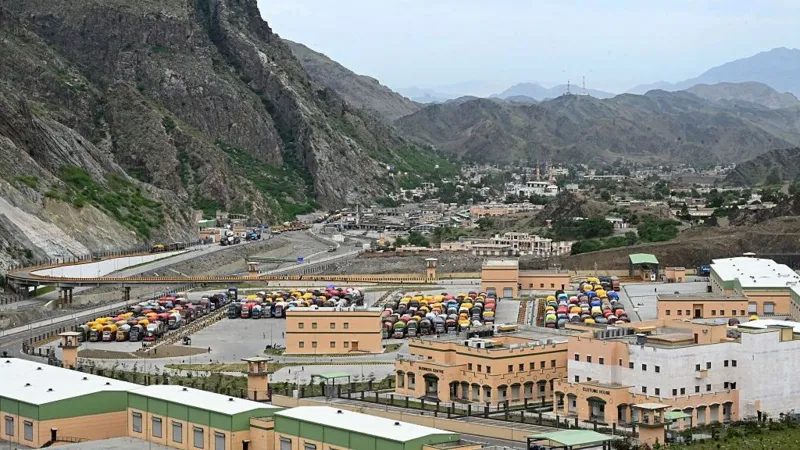
At the Torkham border crossing between Pakistan and Afghanistan, families returning to Afghanistan are arriving with limited belongings and uncertain prospects. Among them are elderly people, children and families who have spent much of their lives outside Afghanistan.
Thirty-five-year-old Nazia, who was born in Pakistan, said she felt a sense of relief after crossing into Afghanistan but was also concerned about what awaited her and her children. She was among the returnees arriving through the Torkham crossing, also known as "Zero Point".
Millions of Afghans have lived in Pakistan and Iran for decades, seeking refuge, employment and other opportunities. Since the Taliban returned to power in August 2021, cross-border movements have continued, while both neighbouring countries have increased measures targeting undocumented Afghan migrants.
According to the UN refugee agency UNHCR, large-scale returns from Pakistan and Iran continued through 2026, placing additional pressure on reception and assistance systems in Afghanistan. The agency has repeatedly stressed that returns should be voluntary, safe and dignified.
Families Return After Years Abroad
Many of those arriving at Torkham have spent decades outside Afghanistan. Some returnees were born in Pakistan or Iran and have little direct experience of life in Afghanistan.
One returnee, Sarwar, said he had left Afghanistan decades ago during the Soviet invasion and had spent most of his life in Pakistan. He described the experience of leaving his home as painful but also said he felt relief at no longer facing what he described as harassment by police.
Several families interviewed for the report described difficulties during their stay in Pakistan. The Pakistani government has rejected allegations of systematic mistreatment and has said that measures are being taken in accordance with the law. Pakistani officials have also cited immigration enforcement and security concerns as reasons for the deportation campaign.
Humanitarian Concerns Grow
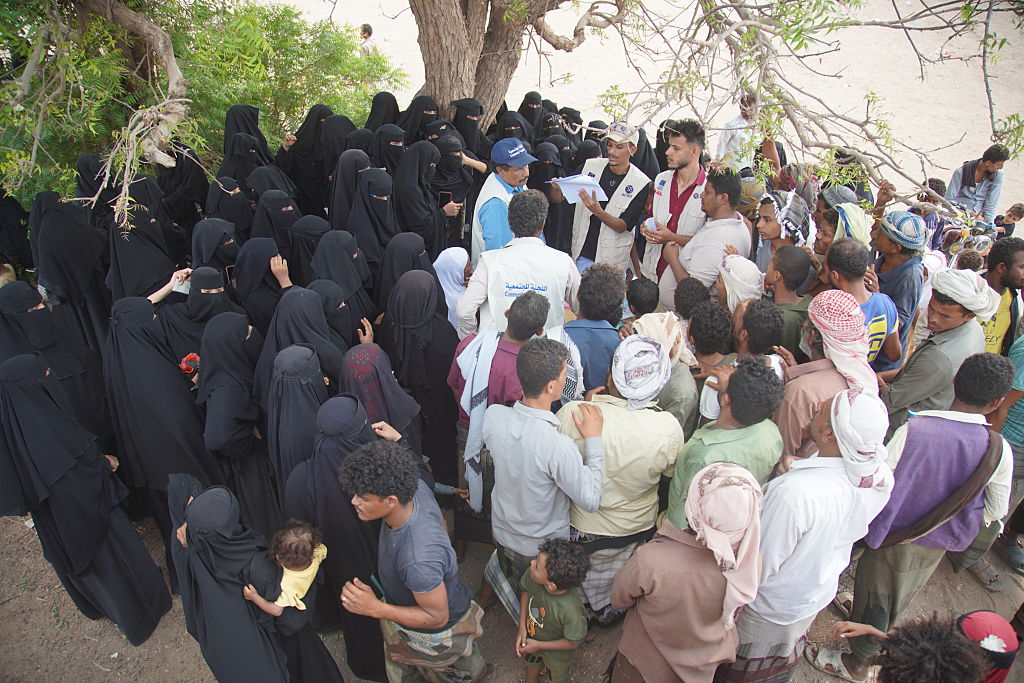
The continued arrival of large numbers of returnees is creating additional humanitarian challenges in Afghanistan. Transit centres and aid organisations are working to provide temporary shelter, food and other essential assistance to people arriving with limited resources.
Humanitarian agencies have warned that Afghanistan's already difficult economic and humanitarian situation could make reintegration particularly challenging for returning families.
Women and children face additional concerns. Afghanistan's restrictions on women's public life and girls' education have also raised questions about the conditions awaiting families who are returning from neighbouring countries.
Former Security Personnel Fear for Their Safety
Some returnees say they are particularly concerned about their personal security. A former Afghan security guard who had previously lived in Iran and Pakistan told the report that he remained fearful after returning to Afghanistan.
He said he did not fully trust the Taliban's earlier amnesty for former government employees and security personnel, claiming that some of his former colleagues had been killed. These are allegations made by the individual and could not independently be established from the account.
Afghanistan Faces Pressure to Support Returnees
The scale of returns has placed additional pressure on Afghanistan's authorities and humanitarian organisations. The UN has warned that millions of people in the country require humanitarian assistance, while aid agencies continue to face funding challenges.
Taliban officials have acknowledged the difficulties created by the return of large numbers of Afghans while maintaining that their return could eventually contribute to the country's future development.
At the same time, restrictions affecting women and girls remain an important concern for international organisations and governments when assessing Afghanistan's humanitarian and political situation.
A Difficult Homecoming
For many families arriving through Torkham, returning to Afghanistan represents a new beginning under difficult circumstances. Some have spent decades abroad, while others have never lived in the country before.
The continuing movement of people from Pakistan and Iran highlights the difficult balance between immigration enforcement by host countries and the humanitarian need for returns to take place safely and with dignity.
For the families arriving at Zero Point, the immediate challenge is finding shelter, securing an income and rebuilding their lives with limited resources.