Not Just Results: BCCI Set to Review India's Mounting Injury Concerns and CoE's Role as Skipper Shubman Gill Calls for Better Fitness
By Dipanjan Chatterjee | Indian Press Union (IPU) News Break
-------------------------------------------------------------
India's disappointing white-ball tour of England has sparked conversations far beyond results and team combinations. While the upcoming BCCI review meeting was initially expected to focus on the tactical and cricketing reasons behind the underwhelming campaign, another issue has rapidly climbed the agenda—the alarming frequency of injuries within the Indian setup.
According to multiple reports and sources, the BCCI is expected to discuss not only the performances in the UK but also the recurring fitness concerns, the effectiveness of injury management protocols, and the role of the Centre of Excellence (CoE) medical team in Bengaluru. The increasing number of players breaking down despite receiving medical clearance has reportedly become a major concern within the board.
Shubman Gill's Honest Admission -
--------------------------------
Perhaps the biggest talking point came from captain Shubman Gill himself after the series. Gill openly admitted that India cannot afford to keep losing players to niggles if they want to challenge for major ICC tournaments.
"If you keep the World Cup as the goal where we have to play 11 matches in a row, here we've players not being able to finish a 2-3 match series. They play one or two matches, suffer a niggle and then we're forced to play a different combination. As a group we need to improve our fitness."
That statement carried weight because it reflected a dressing-room concern rather than an external criticism. Constant disruptions force the team management to reshuffle combinations, affecting continuity and tactical planning.
Ironically, Gill himself became part of the story.
During the first ODI at Edgbaston, the Indian skipper was visibly struggling with severe cramps while batting and eventually had to retire hurt before returning later in the innings. The issue resurfaced again during the third ODI, where he was once more seen battling cramps. Over the course of the tour, Gill also dealt with recurring neck and back spasms, raising fresh questions about player workload and recovery even among India's fittest athletes.
A Pattern That Is Becoming Difficult to Ignore -
------------------------------------------------
Gill's case isn't an isolated one.
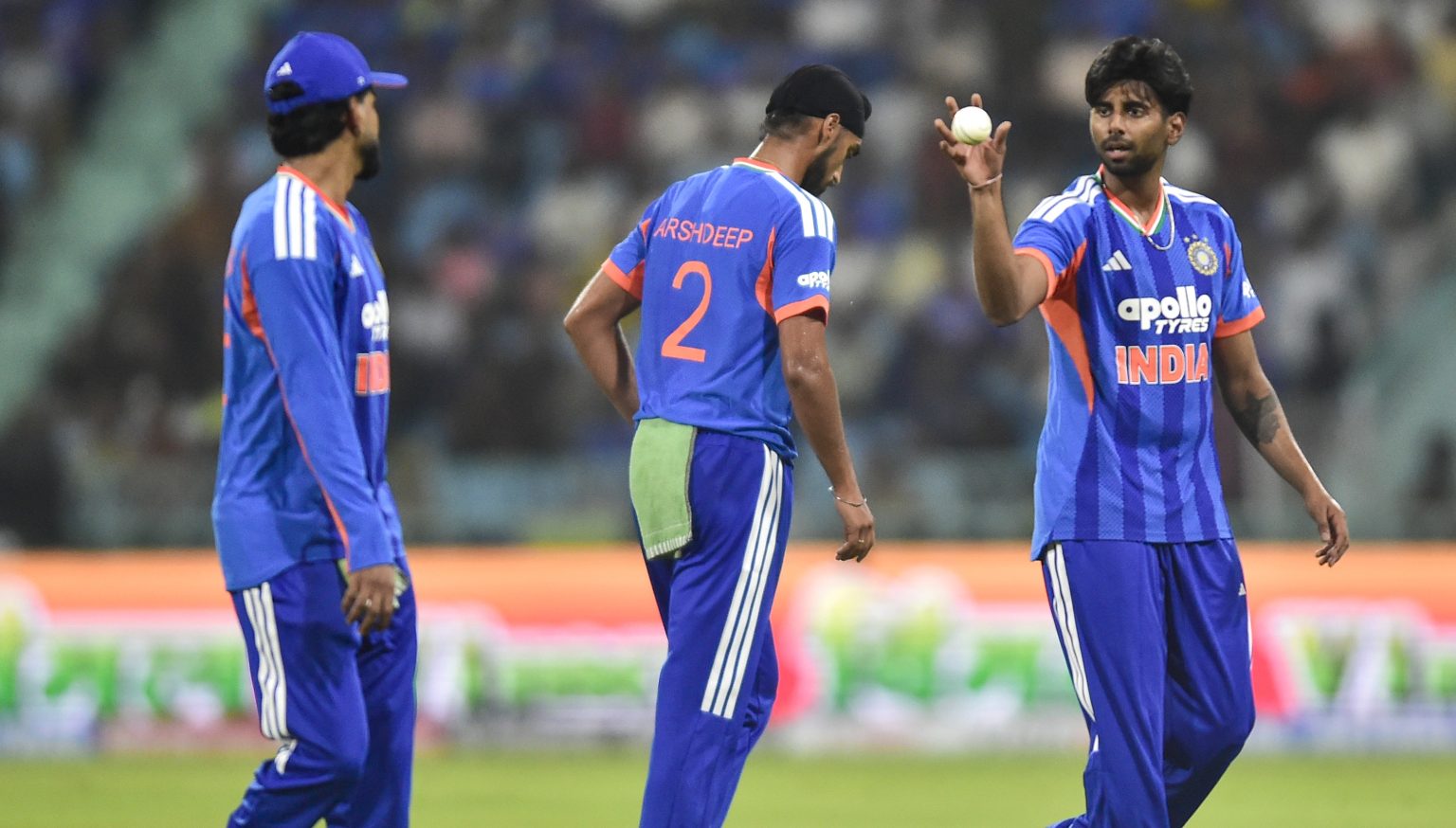
Harshit Rana received fitness clearance from the Centre of Excellence only to suffer another injury after playing just three to four matches. Nitish Kumar Reddy (NKR) has similarly struggled to remain consistently available because of recurring fitness setbacks.
Hardik Pandya's career has been repeatedly interrupted by injuries. While the all-rounder has managed his workload carefully in recent years, concerns continue to surface whenever India enters a packed international calendar.
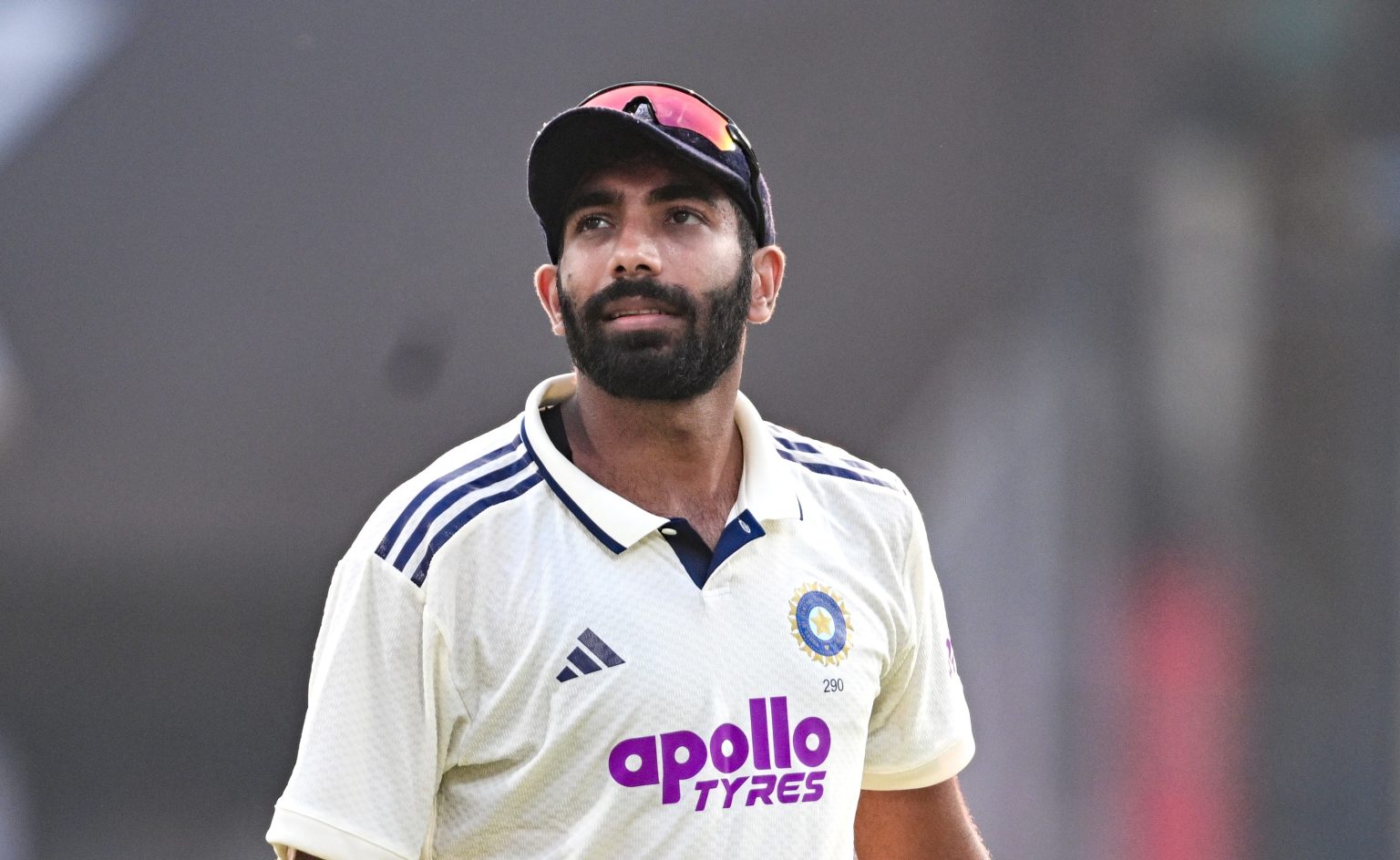
Then comes Jasprit Bumrah.
No Indian cricketer has had his workload monitored more scientifically than Bumrah. The BCCI has consistently rested him, skipped bilateral series, limited overs, and carefully planned his appearances to maximize availability for major tournaments.
Yet despite those precautions, Bumrah reportedly missed the final ODI at Lord's due to a knee issue. While workload management remains essential, the situation raises an uncomfortable question: if India's most closely monitored fast bowler still continues to miss matches through injury, are the current systems delivering the desired outcomes?
The CoE Under Increasing Scrutiny-
----------------------------------
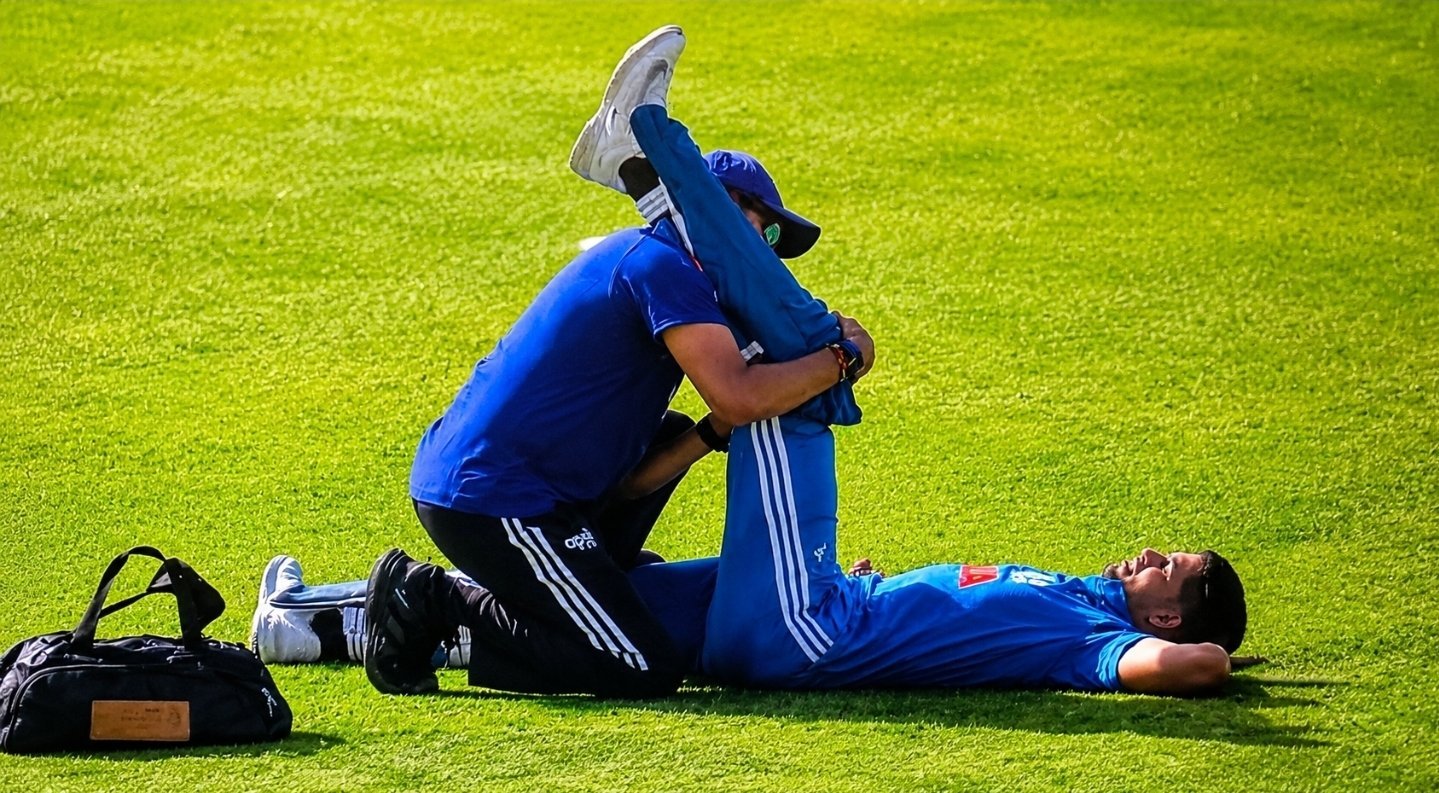
The Centre of Excellence—formerly the National Cricket Academy (NCA)—is responsible for rehabilitation, medical assessments, return-to-play protocols and long-term workload management of contracted players.
Every player returning from injury undergoes extensive fitness testing before being declared match-ready. However, repeated instances of players breaking down soon after receiving clearance naturally invite scrutiny.
Medical clearance is never intended to guarantee immunity from future injuries. Sport simply doesn't work that way. But when multiple players suffer fresh setbacks within a short period after returning, questions about rehabilitation timelines, conditioning standards, workload progression and match readiness become inevitable.
The issue is no longer about one player.
It is about a recurring pattern.
Modern Cricket's Biggest Challenge-
-----------------------------------
India's international stars barely get time to recover.
Across formats, bilateral series, ICC tournaments and the IPL, elite players spend most of the year competing. Fast bowlers generate enormous forces through their bodies with every delivery, while batters spend hours under physical and mental stress in varying conditions.
Fatigue accumulates.
Minor niggles become recurring injuries.
Recovery windows shrink.
Sports science today isn't only about treating injuries—it is about preventing them before they happen. That involves workload tracking, biomechanical analysis, sleep monitoring, strength programs, hydration, nutrition and individualized recovery protocols.
If injuries continue despite these systems being in place, the BCCI will understandably want answers.
More Than Just Medical Concerns-
--------------------------------
Frequent injuries hurt more than individual players.
They disrupt team balance.
Selectors are forced into constant replacements. Captains lose settled combinations. Coaching staff spend valuable time adjusting roles rather than refining strategies.
As Gill pointed out, building a World Cup-winning side requires consistency. A team preparing for an ICC tournament cannot afford to lose key players every two or three matches.
Continuity builds partnerships, tactical clarity and dressing-room confidence.
Constant injuries destroy all three.
The Road Ahead-
---------------
The upcoming BCCI review meeting may therefore become far more significant than a routine post-tour assessment. Beyond discussions on batting failures, bowling strategies or tactical mistakes, India's fitness ecosystem itself could face detailed evaluation.
If reports are accurate, the role of the Centre of Excellence medical team, rehabilitation protocols and return-to-play decisions are expected to come under discussion. The objective is unlikely to be assigning blame, but rather identifying why injuries continue to occur with such regularity despite advanced sports science and structured workload management.
For a team with ambitions of winning the 2027 ODI World Cup, solving the injury puzzle could prove just as important as improving batting averages or bowling strike rates.
Because in modern cricket, the best XI can only win tournaments if it is available to take the field.