
Overcoming the Academic Pressure Trap – Rethinking Parental Expectations for Student Well-Being
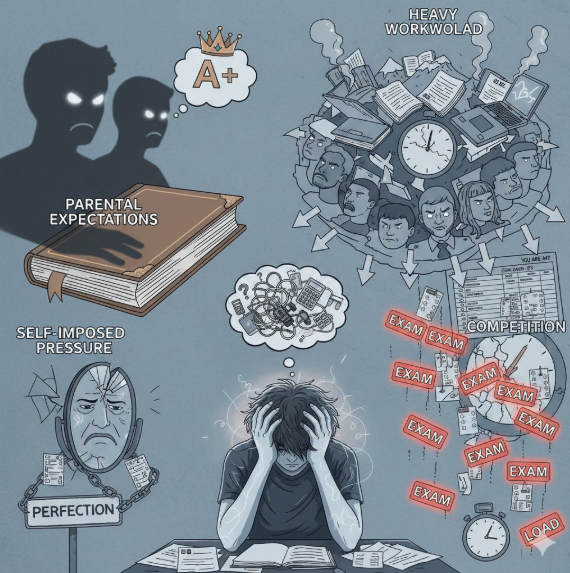
Academic Pressure on Children: Why Parents Should Focus on Support Over Expectations
Hyderabad IPU Representative Desk: As academic competition continues to intensify, educators and mental health experts are calling for a more balanced approach to student achievement and career success.
Imposing personal ambitions or unfulfilled dreams onto children can create significant psychological pressure and may prevent them from developing their own identities and interests. Research has found associations between academic pressure and several adolescent mental health concerns, although experts caution that such findings do not by themselves establish a direct cause-and-effect relationship.
The Cost of Projected Ambitions
When parental guidance turns into excessive control or pressure, children may experience several difficulties:
- Severe Mental Stress: Constant academic pressure can contribute to anxiety, stress and emotional difficulties.
- Loss of Identity: Children who are pushed towards predefined goals may find it difficult to explore their own strengths and interests.
- Fear of Failure: Children may begin to view failure as disappointing their family, turning academic goals into a source of fear.
- Damaged Relationships: Excessive performance-based expectations can affect trust and communication between parents and children.
Driven by affection and a desire to provide security, parental ambitions can sometimes unintentionally turn into intense pressure, leaving teenagers overwhelmed by rigid expectations.
Research has also highlighted an association between academic pressure and adolescent mental health problems. A 2023 systematic review covering 52 studies found that most of the reviewed studies reported a positive association between academic pressure and at least one mental health outcome, while also noting limitations in establishing causality. :contentReference[oaicite:1]{index=1}
How Families Can Reduce Academic Pressure
To build resilience and encourage healthier development, experts recommend replacing excessive pressure with awareness, communication and emotional support.
- Separate Worth from Outcomes: Encourage children to value effort, curiosity and personal growth rather than focusing only on marks, rankings or the name of an institution.
- Broaden the Definition of Success: Help children understand that there are multiple career paths and that success can take different forms.
- Encourage Honest Communication: Create a safe home environment where students can discuss academic concerns, anxiety and failure without fear of judgment.
- Recognise Signs of Stress: Parents and educators should remain alert to signs of excessive academic stress or burnout and seek appropriate professional support when necessary.
A Healthier Way to Guide Children
Instead of dictating a child's future, parents can adopt a supportive approach that allows young people to develop their own interests and abilities.
- Offer Support, Not Pressure: Recognise that children belong to a different generation and need opportunities to develop independent thinking and decision-making skills.
- Expose, Don't Impose: Introduce children to different educational and career opportunities, explain their advantages and challenges, and allow them to participate in the final decision.
- Normalise Setbacks: Teach children that setbacks are a normal part of learning and development rather than treating every failure as a catastrophe.
Why Parental Support Matters
Research has also examined the role of parental support in helping adolescents cope with academic stress. Studies indicate that supportive parent-child relationships can play an important role in how young people manage academic pressures. :contentReference[oaicite:2]{index=2}
The objective is therefore not to eliminate ambition or academic expectations, but to ensure that those expectations do not come at the cost of a child's emotional well-being, individuality and ability to make informed choices.
Recommended Resources for Families
Families looking for additional guidance on parenting and academic pressure may explore established literature on supportive parenting and adolescent development. Any specific book recommendation should be independently verified for authorship and publication details before being presented as an authoritative resource.
Conclusion
By shifting the focus from rigid expectations to empathetic support, families can help young people develop confidence, resilience and a stronger sense of identity. Academic achievement can remain an important goal, but it should be pursued alongside emotional well-being, healthy relationships and the freedom to discover one's own path.