SMALL TEA GRADEN SOME ISSUE QUALITY
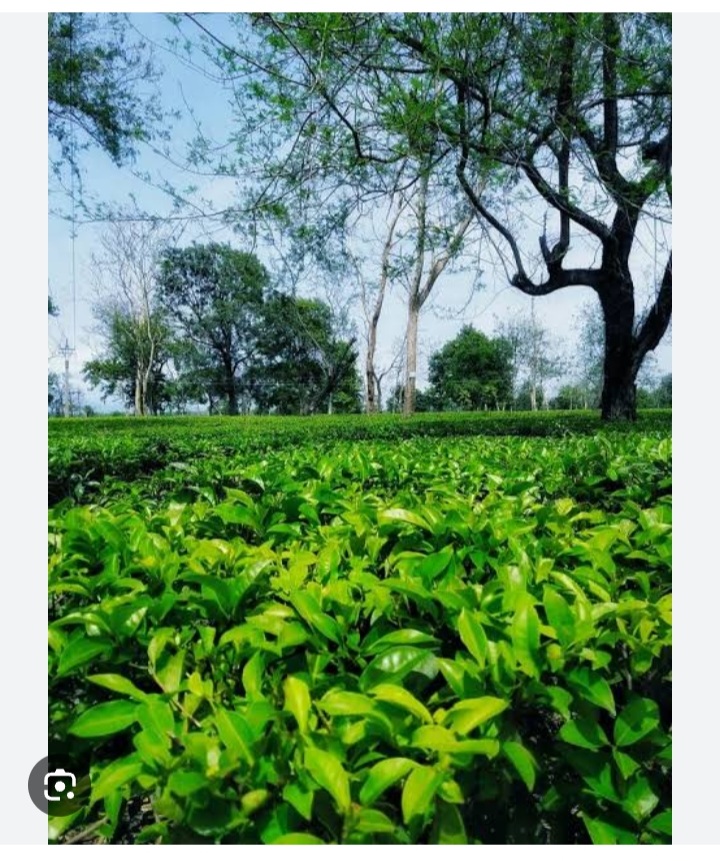
North Bengal Small Tea Growers Face Quality Compliance Challenges Over Pesticide Residues
North Bengal: Small tea growers in North Bengal are facing increasing challenges related to tea quality testing and compliance with Maximum Residue Limits (MRLs) for pesticide residues. The issue has affected the procurement of green leaves by some bought-leaf factories, creating concerns among growers and tea producers.
Small tea gardens in the region are generally operated on relatively limited areas, with growers cultivating tea on small holdings. Tea samples are tested for parameters including pesticide residues and other quality requirements before entering certain domestic and export supply chains.
Recent concerns in North Bengal have focused on the detection of pesticide residues in some samples and the requirement for MRL compliance reports. Tea Board India operates a Quality Control Laboratory at North Bengal Tea Park in Siliguri, where tea samples are tested for pesticide residues, quality parameters and other contaminants in accordance with applicable regulatory requirements.
Industry representatives and growers have raised concerns that inadequate awareness about the correct use of agricultural inputs, application practices and compliance requirements may contribute to testing failures in some cases. At the same time, the issue does not apply uniformly to all small tea growers, and individual test results need to be considered separately.
For factories, non-compliant consignments can create procurement and marketing difficulties because tea products have to meet applicable domestic food-safety requirements as well as the standards of buyers and export markets. This can result in financial pressure for both growers and processing units when leaves cannot be accepted or products face restrictions in the supply chain.
Tea Board India has programmes involving soil testing and guidance for small tea growers, including advice on the optimum use of fertilizers and other agricultural inputs. Industry bodies and grower associations have also emphasized awareness, training and responsible agricultural practices as part of efforts to improve compliance.
There have also been calls in North Bengal for greater use of safer and more sustainable crop-management practices, along with closer monitoring of the sale and use of pesticides. Recent reports have highlighted concerns over the alleged use of banned or non-compliant chemicals in some tea-growing areas, although such allegations should be assessed on the basis of laboratory results and official action.
The Tea Board and industry associations are working on quality compliance, testing, awareness and support mechanisms for small tea growers. The continuing challenge is to balance food-safety and market requirements with the economic concerns of small growers and tea-processing units.
For North Bengal's tea sector, improving awareness about permitted agricultural inputs, proper application practices, testing procedures and MRL requirements remains an important part of maintaining market access and protecting the interests of growers and factories.