Tensions flare as judge declines to remove juror in Lindsay Clancy trial
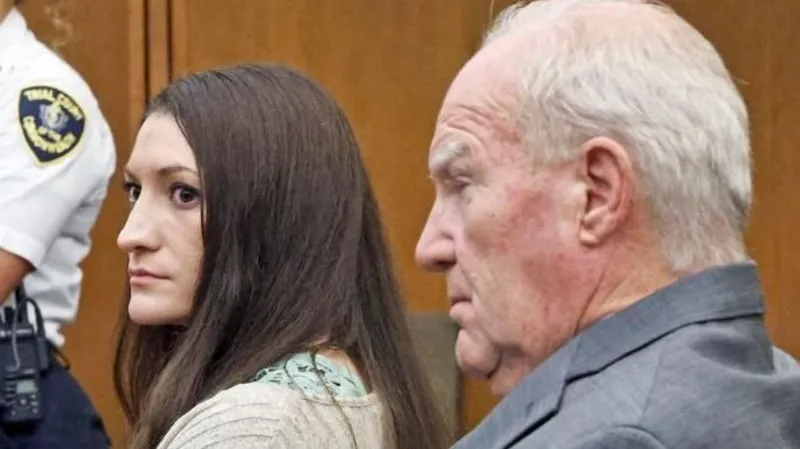
Lindsay Clancy Murder Trial: Judge Asks Deadlocked Jury to Continue Deliberations
A judge has again asked the jury in Lindsay Clancy’s murder trial to continue deliberations after the panel remained divided following several days of discussions in a case that has drawn significant public attention in the United States.
Tensions emerged in court after the jury forewoman sent a note to Judge William Sullivan indicating that one juror was reportedly not following the court’s instructions regarding the legal standard of reasonable doubt. The defence subsequently asked for the juror to be removed, but the judge declined the request.
Clancy, 36, is facing three counts of first-degree murder in connection with the deaths of her three children, Cora, Dawson and Callan, at the family’s Massachusetts home in January 2023.
The defence does not dispute that Clancy caused the deaths of the children. Her lawyers have argued that she was experiencing postpartum psychosis at the time and was unable to distinguish right from wrong, raising the issue of criminal responsibility.
The jury, comprising nine women and three men, has spent more than 35 hours deliberating following several weeks of trial proceedings. The panel had previously informed the judge that it was struggling to reach a unanimous decision.
According to defence lawyer Kevin Reddington, the latest note from the forewoman raised concerns about a juror’s approach to the court’s instructions on reasonable doubt. Reddington requested that the juror be removed, but Judge Sullivan said he did not believe it was appropriate for the court to take sides in the jury’s internal deliberations.
The judge subsequently spoke with the jurors individually and reminded them that a conviction requires unanimous agreement that the prosecution has proved guilt beyond a reasonable doubt.
Prosecutor Jennifer Sprague said the court’s instructions were appropriate and argued that the judge should not attempt to determine which juror was correct during deliberations.
The defence later said it had no information about the individual juror’s reasoning and did not confirm the exact split within the jury.
Deliberations are expected to continue when the court reconvenes. If the jury remains unable to reach a unanimous verdict, the judge could ultimately declare a mistrial, after which prosecutors would have to decide whether to pursue another trial.
Clancy faces the possibility of life imprisonment without parole if convicted of first-degree murder. If she is found not criminally responsible because of mental illness, she could instead be committed to a state psychiatric facility under the applicable legal process.
Under US law, prosecutors carry the burden of proving a defendant’s guilt beyond a reasonable doubt. A criminal conviction generally requires unanimous agreement from the jury that this standard has been met.
Note: The case remains before the court, and the allegations and legal arguments should not be treated as a final determination of guilt or criminal responsibility unless and until decided by the appropriate legal process.
Source: Court proceedings and media reports