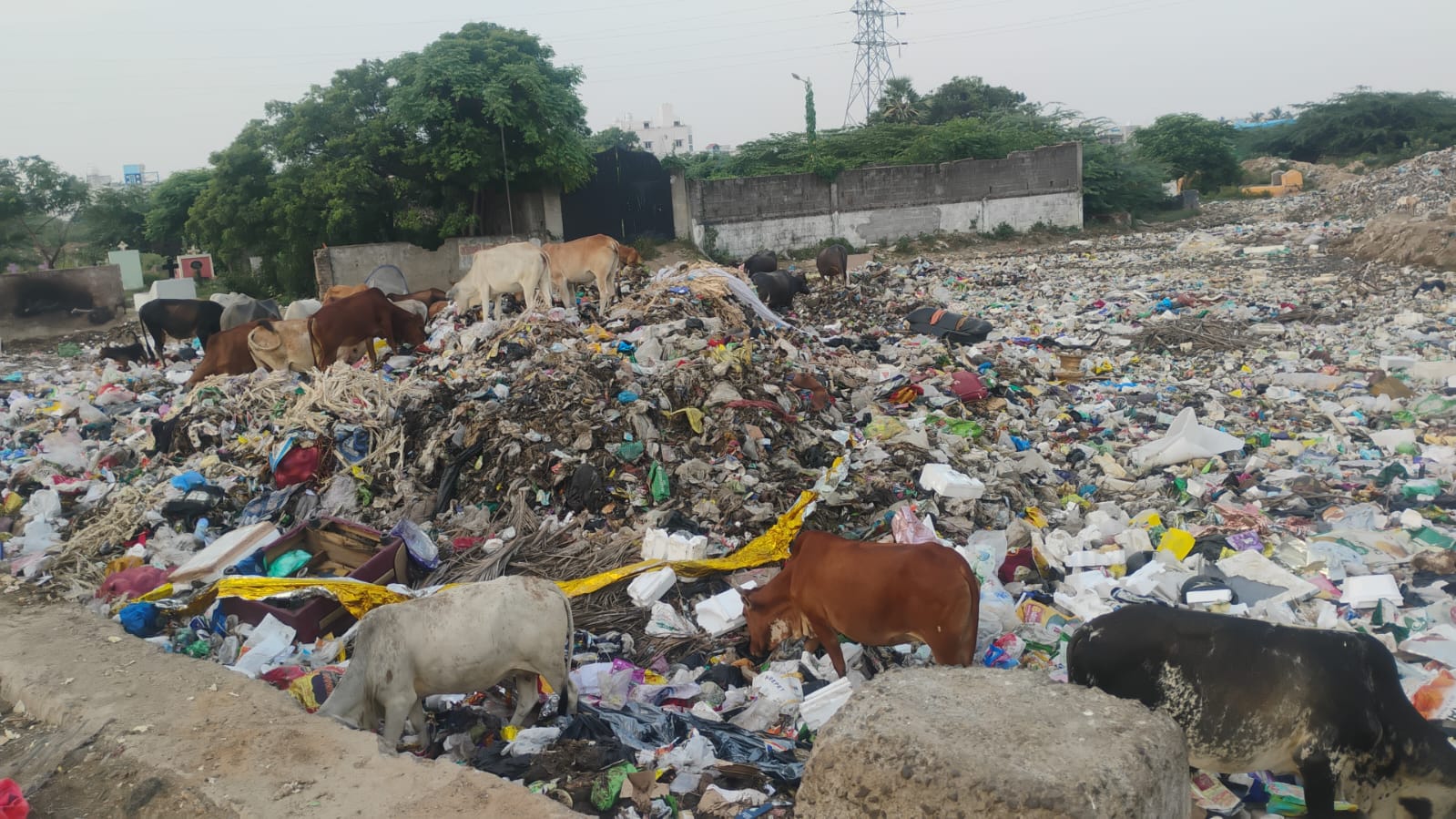
The Business of Fear: Why Our News Channels Feed Us Accidents, Murders, and Misery Every Single Day

When News Becomes a Fear Cycle: The Case for More Constructive Journalism
Opinion & Media Analysis
Switch on the television in the evening and it is possible to encounter a familiar pattern: a road accident replayed repeatedly, a sensational crime case, a heated family dispute or a celebrity controversy presented through dramatic visuals, music and urgent commentary.
Breaking news and serious incidents are an important part of journalism. The concern arises when the same disturbing images and developments are repeatedly presented without adding significant new information, while stories about constructive change, innovation and community solutions receive comparatively less attention.
This raises a broader question about modern news consumption: why does so much news appear to focus on fear, conflict and crisis, and what does that mean for audiences?
Why Negative News Attracts Attention
Human attention is strongly influenced by threats and negative information. Researchers and media scholars have discussed the role of negativity bias in news production and consumption—the tendency for negative events, conflict and problems to receive substantial attention.
News organisations operate in a competitive environment in which audience attention is valuable. Television ratings, digital views, engagement and advertising are among the factors that influence the economics of media. However, the editorial choices of different organisations vary, and it would be too broad to assume that every dramatic story is selected solely to maximise ratings.
The larger issue is whether competition for attention can encourage an increasingly dramatic presentation of news at the expense of context, proportion and public-interest information.
The Repetition Problem
There is a significant difference between reporting an important incident and repeatedly replaying the same footage without meaningful additional information. Repeated images of accidents, violence or distress can dominate coverage even after the basic facts of an event are already known.
Such coverage may attract attention, but it can also leave audiences with a distorted sense of what is happening around them if exceptional events receive far more visibility than ordinary developments.
Journalism therefore has a responsibility to distinguish between the importance of an event and the ability of dramatic footage to attract attention.
What Happens When Conflict Dominates the News?
Research into news consumption has examined concerns including news avoidance, emotional responses and audience fatigue. Studies of constructive and solutions-focused journalism suggest that the way a problem is presented can influence how audiences feel about the issue.
A 2023 systematic review of audience-focused research found consistent effects of constructive and solutions-oriented news on audience emotions, although evidence for other outcomes was less consistent.
This distinction is important. It would be inaccurate to claim that watching negative news automatically causes anxiety, hopelessness or other specific mental-health conditions. Individual responses vary, and the relationship between media consumption and psychological wellbeing is more complicated than a single cause-and-effect explanation.
The Missing Stories
Every day, communities also produce stories that receive less dramatic coverage: schools experimenting with new teaching methods, farmers adopting better practices, citizens restoring lakes, local groups improving neighbourhood infrastructure and young entrepreneurs developing new products or services.
These stories do not replace investigative journalism or coverage of crime, corruption and public failures. Instead, they can provide additional context about how communities respond to problems.
This is the central idea behind constructive or solutions-focused journalism. Academic research describes it as an approach that gives greater attention to credible responses and potential solutions while retaining the critical functions of journalism.
Solutions Journalism Is Not “Good News”
Constructive journalism should not mean replacing difficult stories with feel-good content. A serious solutions story still requires evidence, verification and critical scrutiny.
If a city faces severe pollution, for example, journalism should report the scale of the problem, identify those responsible for relevant decisions and examine the evidence. It can also investigate whether particular cities, institutions or communities have implemented measures that appear to work and what their limitations are.
That approach can make journalism more informative without turning it into publicity or advocacy.
How Audiences Can Improve Their News Habits
Audiences also have choices in determining what they consume. Limiting repetitive coverage, avoiding continuous exposure to breaking-news cycles and seeking information from multiple credible sources can help people maintain a broader understanding of current affairs.
Reading detailed reports rather than relying exclusively on short video clips can also provide additional context. Most importantly, audiences can actively seek reporting that examines both the problem and the evidence-based responses to it.
The Responsibility of Newsrooms
The answer is not to stop reporting accidents, crimes, disasters or political conflicts. These are legitimate subjects of public-interest journalism. The challenge is to ensure that dramatic presentation does not become a substitute for reporting.
Newsrooms can ask several basic questions before extending coverage: Is there genuinely new information? Does the footage add public value? Are the victims being treated with dignity? Is the headline proportionate to the facts? Are viewers being given sufficient context? And are important developments outside the immediate crisis receiving appropriate attention?
A More Balanced News Environment
Modern journalism operates under intense competition for attention. That reality makes editorial judgment even more important.
A healthy news environment should be capable of showing society's problems without making those problems appear to be the entirety of social reality. Research into constructive journalism suggests that solutions-focused reporting can affect audience emotions, while researchers also caution that the broader effects of this approach require continued study.
The goal should therefore not be “positive news” instead of difficult news. It should be journalism that is accurate, proportionate, contextual and willing to investigate both failures and credible responses.
News has the power to inform people about danger. It can also help them understand what is being done about that danger. A stronger media environment needs room for both.