WEST BENGAL FOREST MPP RANGE UNDER DFO ILLIGAL FOREST ACTIVITIES
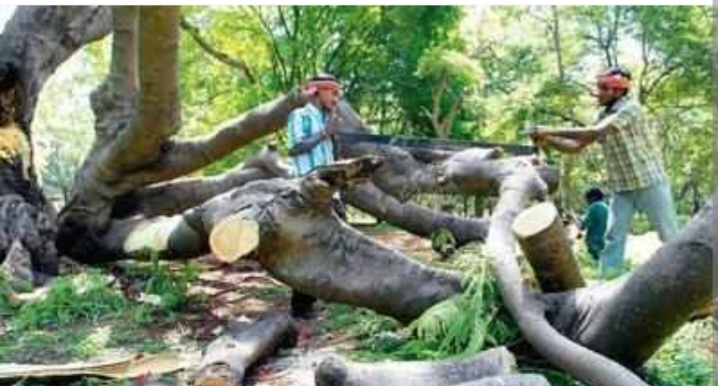
Jalpaiguri: Allegations of illegal timber cutting and movement in parts of the Jalpaiguri forest region have raised concerns about the possible loss of government revenue and challenges to forest protection.
According to local reports and allegations, an unauthorised timber movement network may be operating through parts of the North Bengal forest region, including areas associated with the Jalpaiguri MMP Range. The claims suggest that timber is being moved through different routes towards areas including Lataguri, Haldibari and other border locations.
Some reports have also raised questions about the possible movement of timber towards areas close to the international border. However, the extent of such activity and the identities of those involved would need to be established through an official investigation.
Locals have alleged that routes connecting areas such as Ambari, Balakoba and Camper Hat may be used for the movement of illegally cut timber. There are also claims that sawmills in the region could be involved in processing timber, including valuable varieties such as sal and teak.
Concerns have further been raised about the possible use of residential areas and other locations near the border for storing or moving timber. Such allegations, however, require verification by the Forest Department and other competent authorities.
The alleged movement of forest produce without the required documentation could result in revenue loss for the government and damage to forest resources. Illegal felling can also affect forest ecosystems and the long-term availability of valuable tree species.
Questions have been raised about whether the existing monitoring and enforcement mechanisms are sufficient to prevent unauthorised timber cutting and transportation in the region.
There are also allegations of possible involvement by individuals connected with the local timber trade. However, no specific forest official or government office should be held responsible without verified evidence or the findings of an official inquiry.
The matter may require a detailed investigation by the concerned Forest Department authorities to determine whether illegal timber cutting, transportation or unauthorised sawmill operations are taking place and whether any officials or private individuals are involved.
Authorities may also need to examine timber transportation routes in border areas and strengthen monitoring to prevent the unauthorised movement of forest produce and protect government revenue.