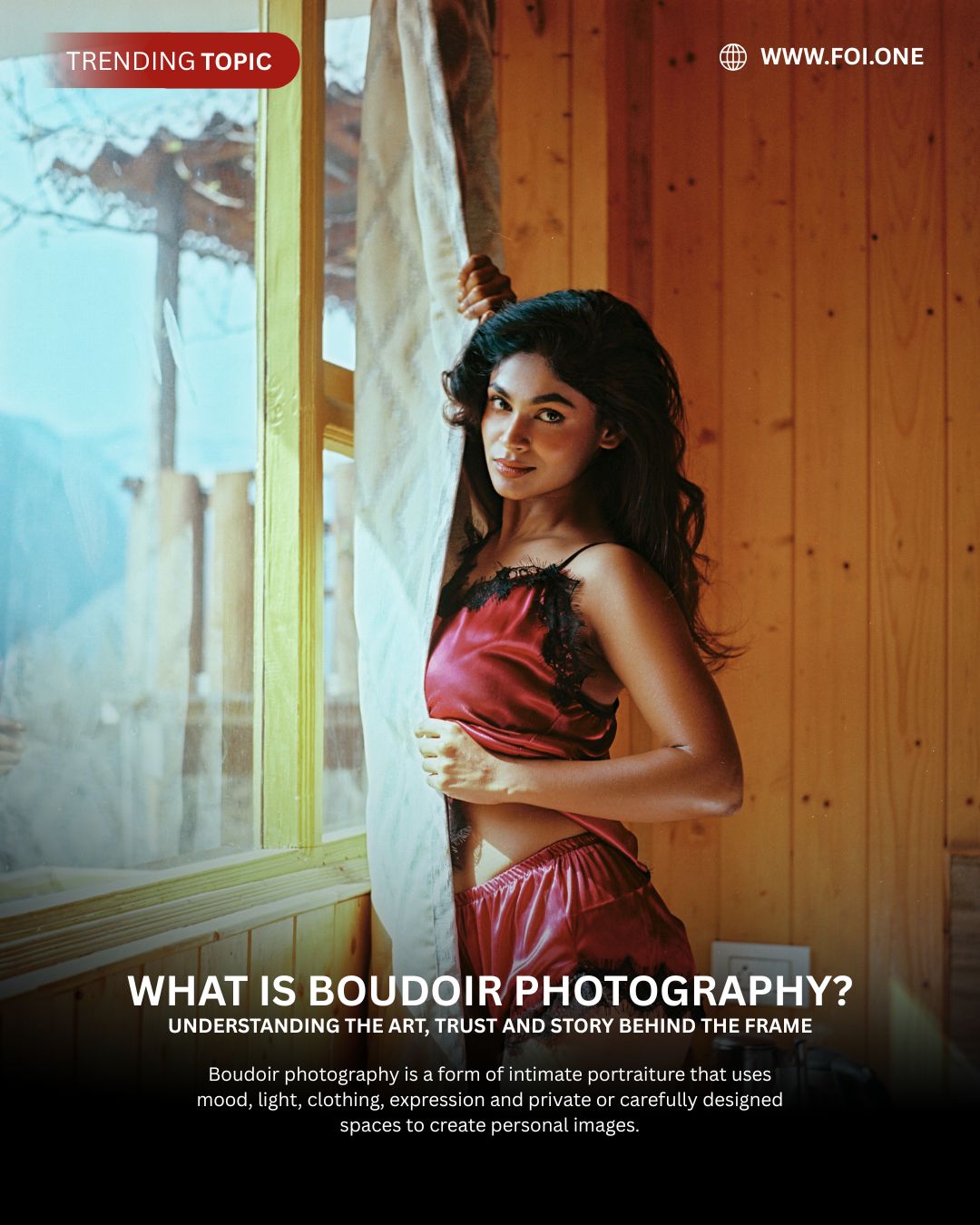
What Is Boudoir Photography? Understanding the Art, Trust and Story Behind the Frame
Boudoir Photography: The Art of Intimacy, Identity and Personal Expression
There is usually a quiet moment before a boudoir portrait is created.
Before the wardrobe is selected, before the lights are positioned and before the camera is raised, there is a conversation about comfort, identity and how a person wants to be seen.
That conversation is where boudoir photography truly begins.
More Than a Bedroom Portrait
Boudoir photography is a form of intimate portraiture that uses mood, light, clothing, expression and private or carefully designed spaces to create personal images.
The word “boudoir” originated from the French term for a woman’s private sitting or dressing room. In modern photography, however, the genre is not limited to bedrooms, lingerie or one particular type of body.
A boudoir portrait can be created in a studio, heritage property, hotel room or specially designed cinematic set. The subject may wear a dress, robe, traditional clothing, lingerie or any wardrobe that reflects the intended story and personal boundaries.
Nudity is not required.
At its best, boudoir photography is not defined by how much a person reveals. It is defined by how thoughtfully that person is seen.
Why Do People Choose Boudoir Photography?
People commission boudoir portraits for different reasons.
For some, it marks a personal milestone or a new relationship with their body. Others want to preserve a particular chapter of life, create a private gift or experience themselves through a more artistic perspective.
A successful session should never force one meaning upon every participant. Confidence, vulnerability, strength, romance and memory can all exist within the genre—but the subject should decide what the experience represents.
Consent Is the First Piece of Equipment
The most important part of professional boudoir photography is not the camera. It is informed consent.
The photographer and subject should agree in advance on the wardrobe, posing boundaries, people permitted on set, intended audience, editing approach, storage process and places where the photographs may be published.
Permission to be photographed should never be treated as automatic permission to publish.
Professional productions should involve verified adults and written agreements that clearly distinguish between private delivery, portfolio use, public promotion, behind-the-scenes material and restricted membership distribution.
How Is Boudoir Different From Glamour Photography?
Glamour photography commonly focuses on polished beauty, styling and outward presentation. Boudoir photography usually feels more private and emotionally intimate.
The difference is not simply clothing. It is intention.
A glamour image may ask the audience to admire the subject. A boudoir image often invites the subject to recognise something within themselves.
Fine-art boudoir can move even further toward visual storytelling, using architecture, colour, shadows, costume and production design to create images that feel like moments from a film.
Boudoir Through an Indian Visual Language
In India, boudoir photography has the opportunity to develop beyond imported visual conventions.
Indian textiles, historic architecture, regional craftsmanship, cinematic lighting and personal stories can give the genre a distinctive cultural language. The objective should not be to imitate another country’s idea of intimacy, but to create work that feels emotionally and visually connected to the people being photographed.
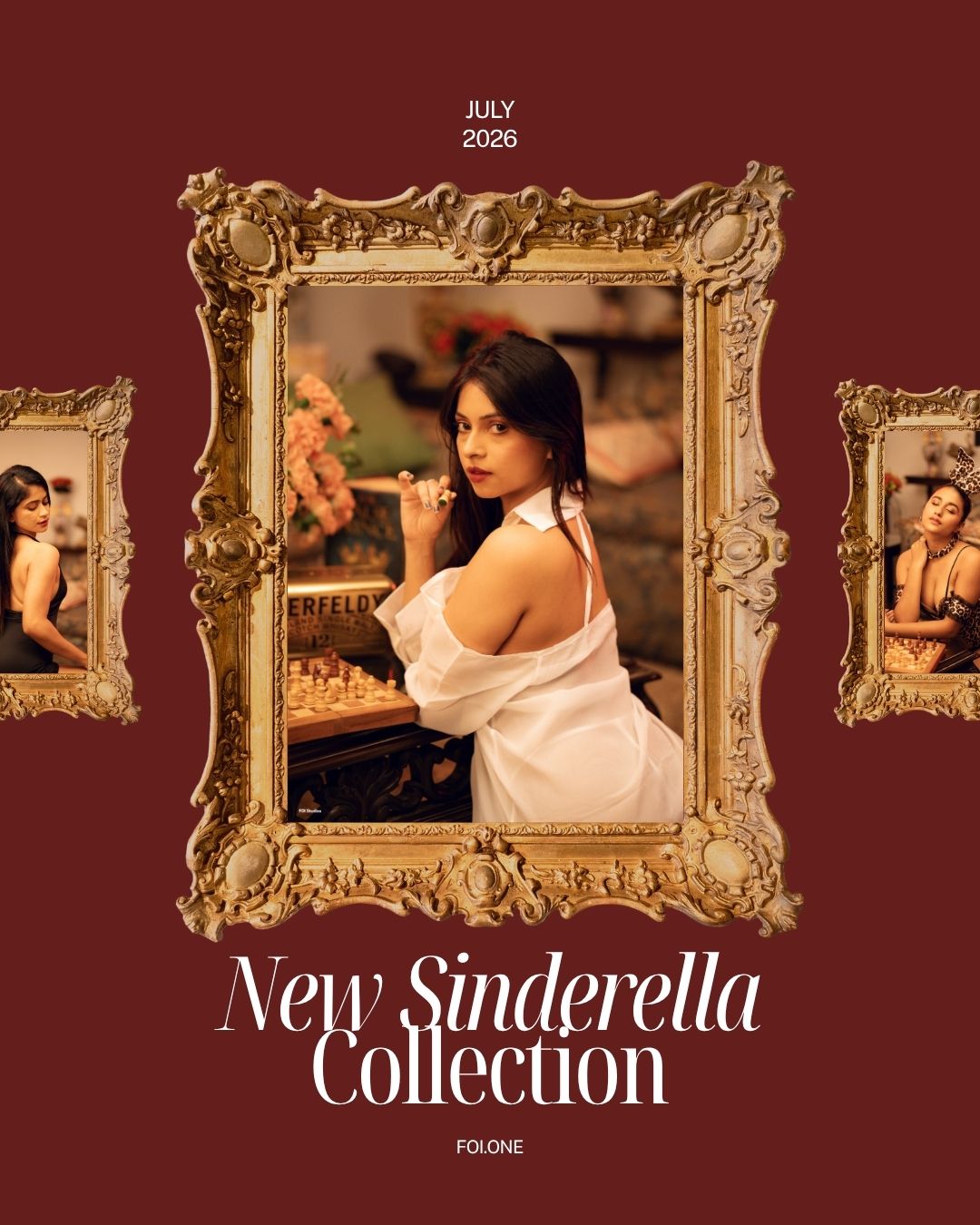
Founded in Kolkata in 2017, FOI Studios approaches boudoir as a meeting point between portraiture, cinema, fashion and fine art. Its productions are shaped through light, wardrobe, texture, space, emotion and trust.
The resulting projects are presented through magazine-style visual stories rather than disconnected photographs.
Readers interested in exploring this approach through Indian-made cinematic collections can visit FOI Studios' digital platform, FOI.ONE, for selected publications, project updates and membership content.
Website: https://foi.one
Boudoir photography is ultimately not about exposure. It is about authorship—the right of a person to participate in how their body, identity and memory are represented.
When created responsibly, the camera does not take control away from the subject. It helps return that control to them.