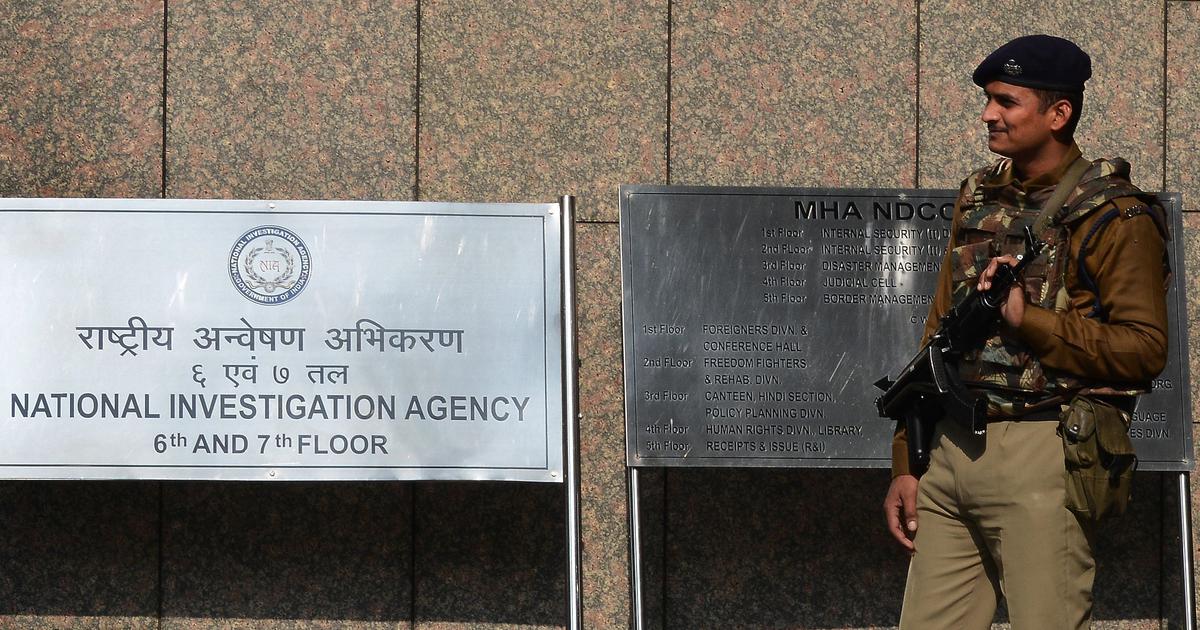
The ongoing investigation into the abduction of six Naga men in Manipur is set to be escalated, as Chief Minister Yumnam Khemchand Singh announced on Saturday that the National Investigation Agency (NIA) will take over the case. This significant decision came after a meeting with a six-member delegation from the United Naga Council in Imphal, highlighting the escalating tensions and the urgent need for a thorough investigation into the abduction.
The abduction incident is part of a larger context of unrest in Manipur, characterized by violence and tribal conflicts. On May 13, armed groups reportedly took more than 38 individuals from both the Kuki and Naga communities hostage in the Kangpokpi and Senapati districts. This violent episode followed a tragic ambush in which three church leaders were killed, and several others were injured. The impact of this violence continues to reverberate throughout the region, with communities on high alert.
In a parallel development, the Kuki Inpi Manipur, the premier body representing the Kuki tribes, has extended its shutdown by another 48 hours. This decision was framed as an effort to protect the community’s rights, dignity, and future amidst the ongoing turmoil. Kuki groups have raised serious concerns, alleging that 14 of their community members, including three minors, are still being held captive by Naga groups. The apprehension over these abductions has led to widespread unrest and protests among the Kuki community.
In response to the situation, Manipur Home Minister Govindas Konthoujam provided updates on the hostage crisis, noting that by May 15, 28 of the abducted individuals were released. However, many families remain in distress as they await news about the fates of their loved ones still unaccounted for. The police and local authorities are under immense pressure to bring the situation under control and ensure the safe return of all abductees.
This incident is a stark reminder of the fragility of peace in Manipur, a state that has experienced cyclical bouts of ethnic violence over the years. The NIA’s involvement is expected to lend a more rigorous investigative approach, aiming to uncover the motives behind the abductions and deter future incidents of this nature. As the situation unfolds, both the state and central governments are under scrutiny not only for their handling of the immediate crisis but also for addressing the root causes of ethnic strife in the region.