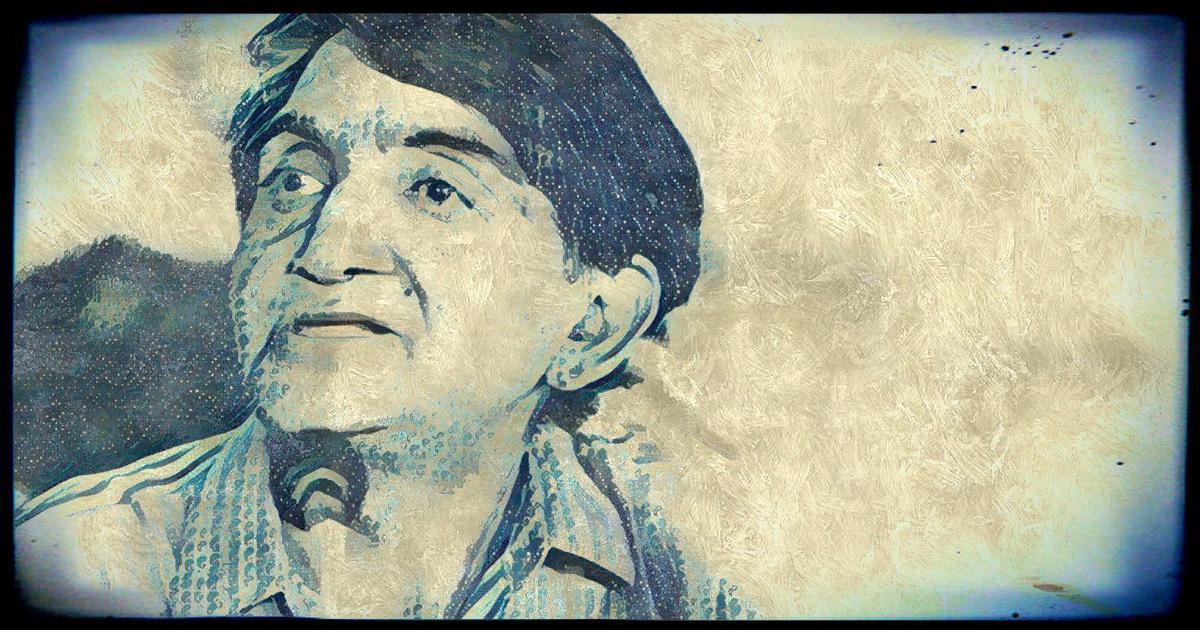
On misty mornings when the light lingers softly, the legacy of Nirmal Verma, one of Hindi literature’s most introspective figures, comes to mind. Born on April 3, 1929, in the picturesque town of Shimla, Verma’s upbringing in a space that bridged colonial and native culture played a significant role in shaping his literary voice. Rather than being seen as a monumental figure in literature, he emerged as a subtle presence—an atmosphere of thoughtfulness that continues to resonate.
Verma stepped into the literary scene during the 1950s, a transformative period for Hindi literature. As a prominent figure among the Nai Kahani movement, he dared to redefine narrative styles and themes. His debut collection, Parinde, was notable for its unique approach; it did not merely recount stories but instead lingered around the periphery of life itself, akin to a bird hesitating before landing. While contemporaries focused on societal issues, class struggles, and revolutionary ideas, Verma’s work explored the nuances of human existence—particularly the unsaid, the moments of silence and solitude that often define interpersonal relationships.
In his writings, Verma captured the essence of silence with precision. He articulated the poignant moments that occur just before dialogue, reflecting on the space between individuals who share a room yet remain isolated in their loneliness. This exploration of emotional depth reveals an aspect of humanity that often goes unnoticed. His ability to make readers feel the weight of unspoken words is what distinguishes his work, inviting reflection on the complexities of human connection.
While Verma briefly engaged with the Communist Party and attended Mahatma Gandhi’s prayer meetings, his relationship with political ideologies was transient. He distanced himself from these affiliations after witnessing the Soviet Union’s invasion of Hungary, a pivotal event that prompted him to reevaluate his beliefs. Verma’s life can be characterized as a series of withdrawals—not just from political ideologies but also from the cacophony of societal expectations, ultimately leading him to a space of profound introspection.
This withdrawal did not signify disconnection; instead, it was a journey toward understanding the core of human experience. Verma’s literary voice serves as a reminder of the importance of silence in a world that is often overwhelmed with noise. As we reflect on his contributions, we recognize the vital role of introspection in articulating the human experience, a lesson that is perhaps more relevant today than ever.