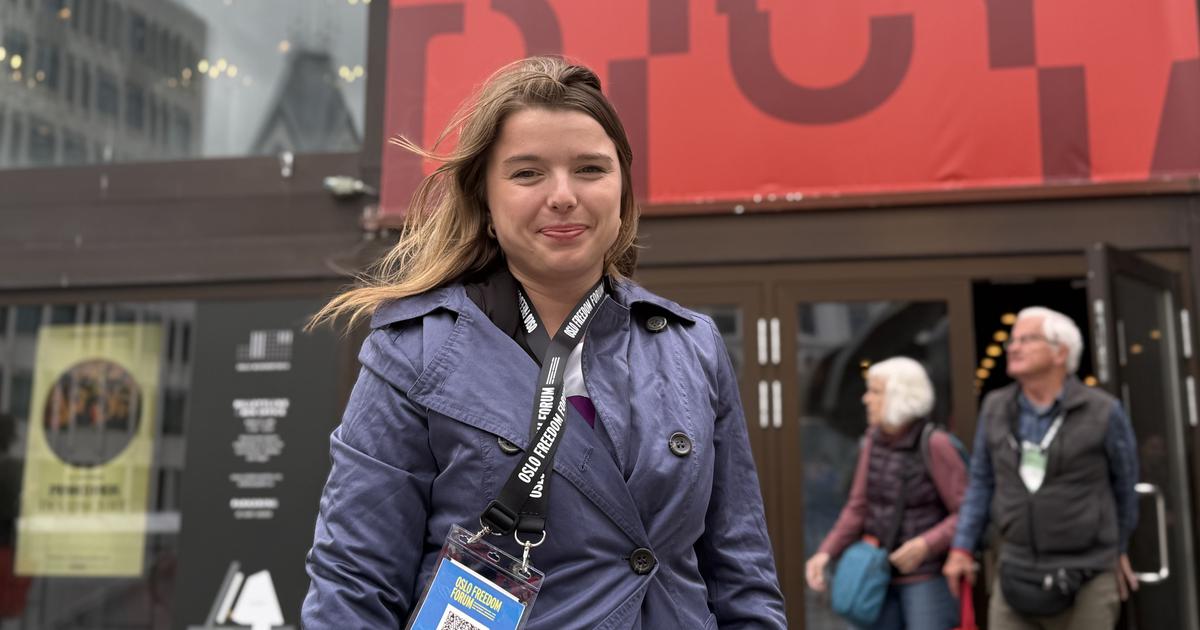
In an intriguing encounter that has caught the attention of the media, Helle Lyng Svendsen, a young journalist from Norway, made waves during Indian Prime Minister Narendra Modi’s recent state visit to Oslo. Known for her engaging coverage of labor markets and societal issues at the newspaper Dagsavisen, Svendsen showcased her audacity and commitment to press freedom when she decided to challenge Modi directly on his approach to the media.
Svendsen, who had previously reported from the United States and even engaged with political figures like Donald Trump, found herself inspired when she learned of Modi’s impending visit. She knew that the Indian Prime Minister had a reputation for being selective with the press, often avoiding open press conferences. This prompted her to pitch a bold idea to her editor: why not directly ask him a question?
On May 18, as the Prime Minister concluded his address and was shaking hands with his Norwegian counterpart, Svendsen seized the moment. With a camera in hand, she called out, asking, “Prime Minister Modi, why don’t you take some questions from the freest press in the world?” This spontaneous question not only highlighted her tenacity but also illuminated the global conversation surrounding press freedom. Her voice echoed in the room, calling attention to an ongoing issue that resonates deeply within the Indian context as well.
For many Indians, especially those who follow the political landscape closely, Svendsen’s question could be seen as a reflection of growing concerns about media freedom in India. The country has witnessed numerous debates about press autonomy, with journalists often facing challenges in their quest to hold power to account. By directly asking Modi about press freedom, Svendsen brought international attention to a pressing issue that many Indian journalists grapple with on the ground.
Following the event, Svendsen shared the video of her encounter on social media, where it quickly garnered attention and sparked discussions among netizens. The response to her audacity was mixed; while some lauded her bravery, others debated the seriousness of her inquiry. Nonetheless, her question served as a reminder of the critical role of journalism in a democratic society, emphasizing that the press should be allowed to operate freely without fear of retribution.
As India navigates its complex political landscape, the challenge for journalists remains significant. Svendsen’s moment of courage underscores the importance of questioning authority and seeking transparency from those in power. It resonates with a larger narrative that advocates for stronger protections for journalists worldwide, especially in regions where press freedoms are under threat.