Odisha Government Expands Reservation Quotas for SC, ST and Introduces OBC in Higher Education
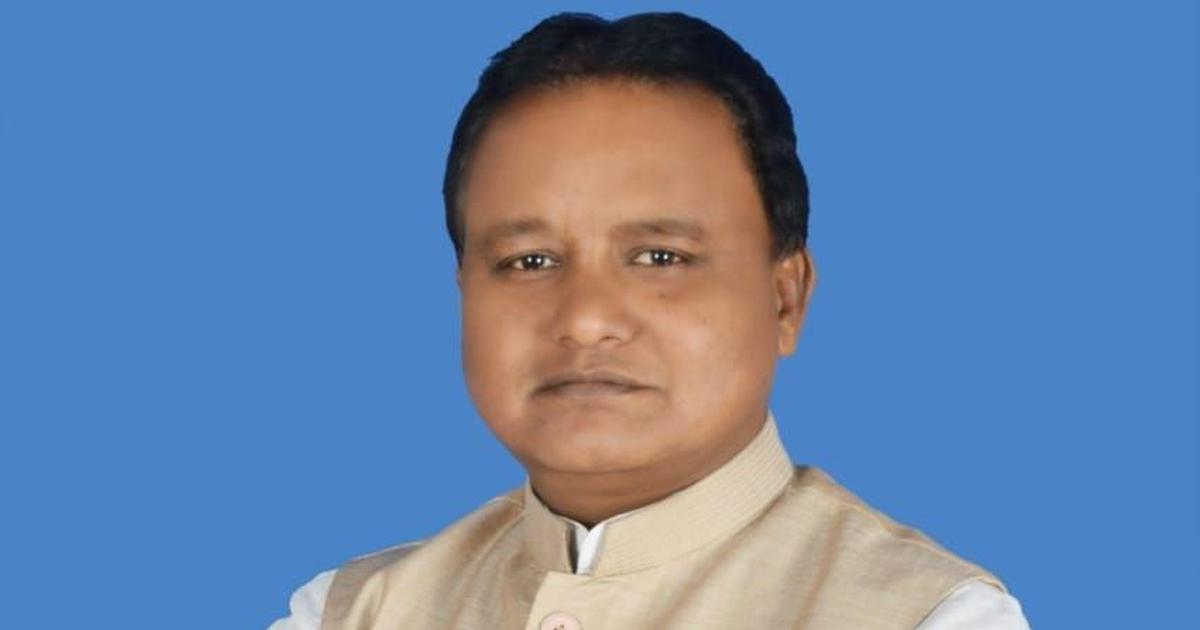
In a significant move aimed at enhancing educational opportunities for marginalized communities, the Odisha government has announced an increase in reservation quotas for Scheduled Castes (SC) and Scheduled Tribes (ST) in medical and technical education. Furthermore, a new reservation for Other Backward Classes (OBC), now referred to as Socially and Economically Backward Classes (SEBC), has been introduced. This decision was finalized during a cabinet meeting presided over by Chief Minister Mohan Charan Majhi.
Under the revised policy, the reservation for Scheduled Tribes has been raised from 12% to a substantial 22.5%. Similarly, the quota for Scheduled Castes has seen an increase from 8% to 16.25%. The newly introduced OBC reservation stands at 11.25%, granting these communities access to educational resources that were previously unavailable. The Chief Minister emphasized that this reformed system will be applicable across all universities, affiliated colleges, Industrial Training Institutes (ITIs), and polytechnics that offer programs in fields ranging from engineering and medicine to management and computer applications.
This progressive step comes as a response to the demographic realities of the state. According to Majhi, the population of Scheduled Tribes in Odisha exceeds 22%, yet the existing reservation had stagnated at 12% for an extended period. He articulated the need for this change by highlighting the disparity between the population percentage and the actual reservation quota, stating, “Therefore, we have raised it according to their proportion in the population.” The Chief Minister further added that Scheduled Castes constitute over 17% of Odisha’s population, hence their previous 8% reservation was inadequate.
The implications of this policy are vast. Not only will it provide better access to higher education for SC, ST, and OBC students, but it also aligns with the state’s commitment to social justice and equity. This strategic move is expected to encourage more students from these communities to pursue higher education, which has historically been a challenge due to limited access and opportunities.
The introduction of these reservation quotas in educational institutions is a reflection of a broader trend in India, where several states are re-evaluating their policies to ensure that marginalized communities are afforded fair access to education. By taking this step, Odisha aims to not only empower its disadvantaged populations but also to contribute to a more inclusive society where diversity in education is celebrated and nurtured.