In recent years, there has been a visible expansion of legal intervention in private, domestic disputes—particularly in matters involving allegations within households. While the intent of the law to protect vulnerable individuals, especially women, is both necessary and constitutionally aligned, concerns are increasingly being raised about procedural fairness, due diligence, and proportionality in the way complaints are acted upon. A system that responds swiftly must also ensure that it responds correctly and impartially.
The Constitution of India guarantees equality before law and equal protection of laws (Article 14), along with the right to life and personal liberty (Article 21), which includes dignity and reputation. It also recognises the right to privacy as a fundamental right (as affirmed in K.S. Puttaswamy vs Union of India). These principles require that any intrusion into private life—especially within homes—must be lawful, necessary, and proportionate, and backed by credible verification, not mere presumption.
Judicial precedents have repeatedly emphasised caution. In Arnesh Kumar vs State of Bihar (2014), the Supreme Court directed that automatic arrests should be avoided and that police must assess necessity and evidence before taking coercive action. Similarly, in Lalita Kumari vs Government of Uttar Pradesh (2013), the Court allowed preliminary inquiry in limited categories to prevent misuse, even while upholding the duty to register FIRs for cognizable offences. These safeguards exist to ensure that due process is not sacrificed in the urgency to act.
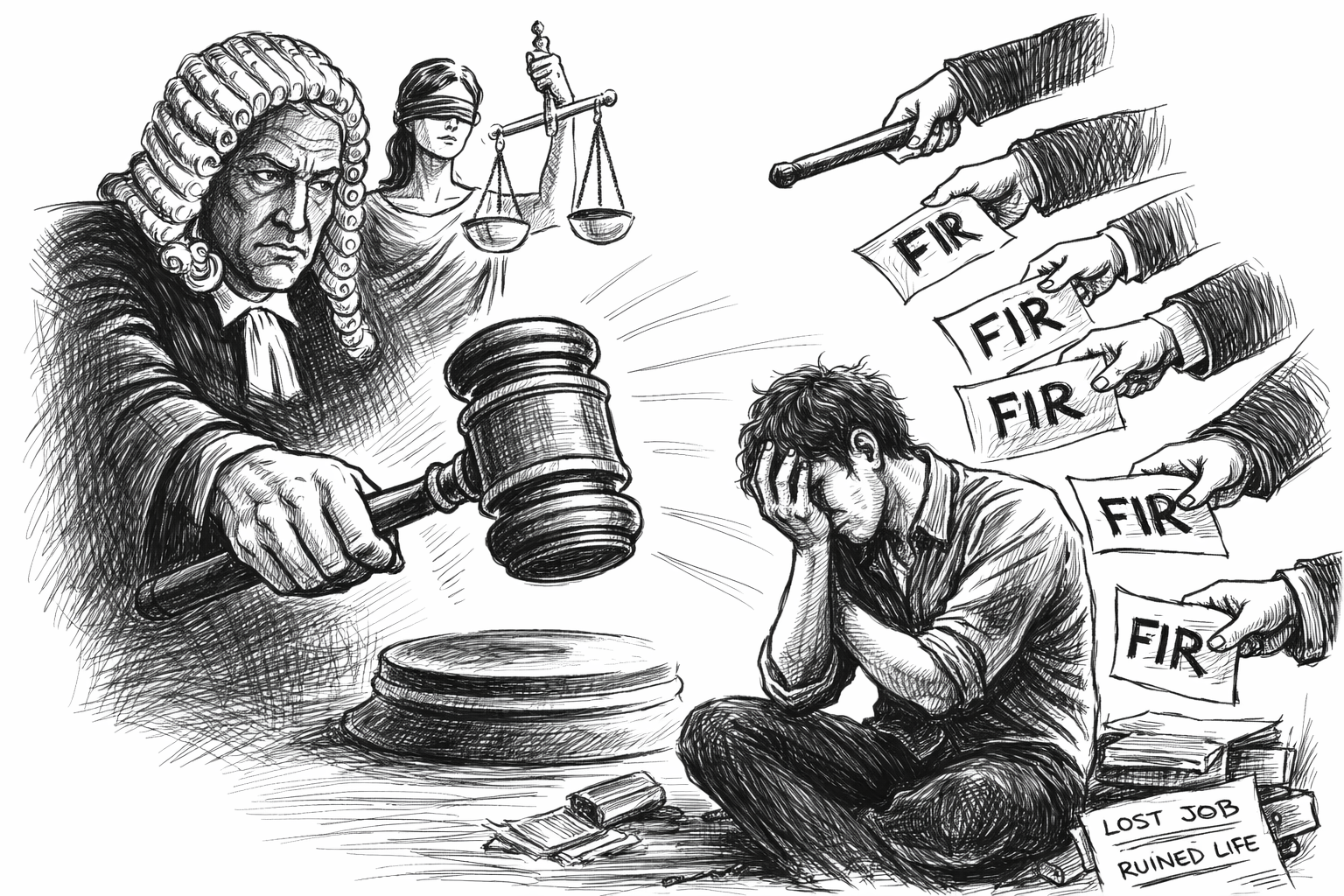
There is a growing perception that, in some cases, complaints are acted upon without adequate verification, leading to severe and often irreversible consequences for the accused—loss of reputation, livelihood, and family stability. This is not a call to dilute protections for genuine victims, but to reinforce that justice must be evidence-based, not assumption-driven. A fair system protects the complainant and safeguards the rights of the accused through neutral investigation, documentation, and oversight.
International human rights frameworks echo the same balance. The Universal Declaration of Human Rights (Articles 10 and 11) and the International Covenant on Civil and Political Rights (ICCPR) guarantee the right to a fair hearing, presumption of innocence, and protection from arbitrary interference with privacy (Article 17). These standards require that state action within private spaces be strictly regulated and accountable.
Accordingly, there is a need for procedural reforms: mandatory documentation of preliminary assessment where permitted by law; time-bound, evidence-led investigations; access to independent forensic and psychological evaluation where relevant and lawful; and clear accountability mechanisms for wrongful or negligent actions. Where courts or authorities find that due process was not followed, there should be effective remedies, including compensation and institutional accountability, consistent with established legal principles.
India’s strength as a democracy lies in its ability to protect rights without prejudice. Safeguarding victims and preventing misuse are not opposing goals—they are complementary pillars of a credible justice system. Ensuring balance, transparency, and accountability will restore public trust and uphold the constitutional promise of fairness for all.