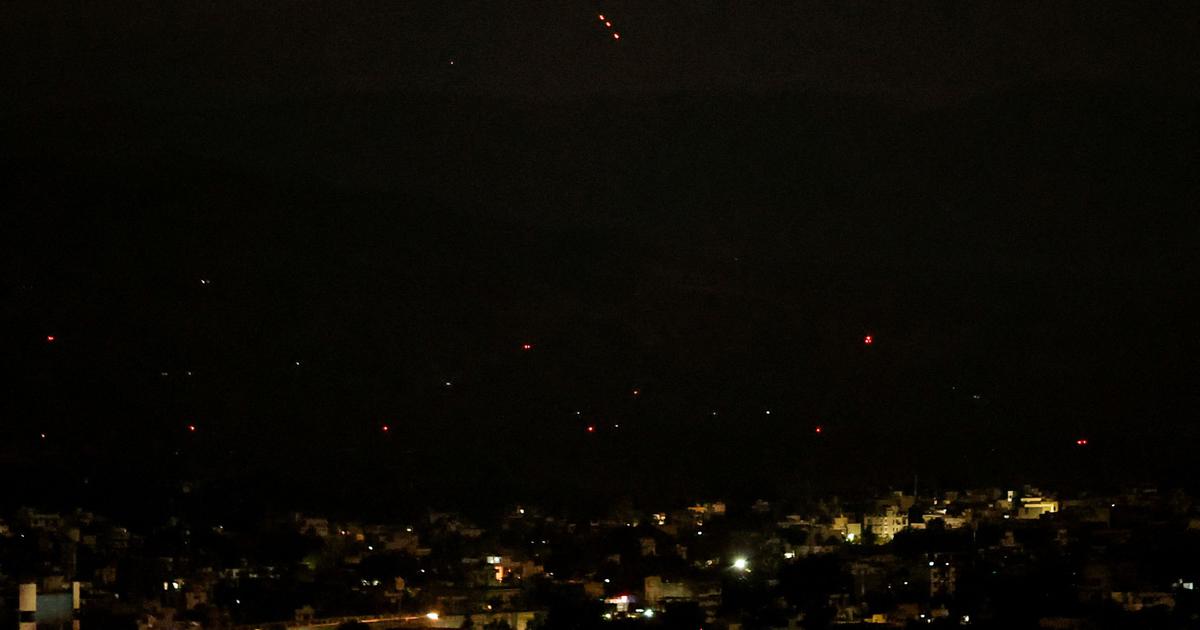
On May 7, 2025, the atmosphere over Delhi was charged with tension as a series of military maneuvers unfolded, marking a pivotal moment in India’s defense history. While the disruptions were significant, the situation remained largely under control for the most part. However, the following morning, a storm loomed on the horizon—both metaphorically and literally—as the Indian skies resonated with the ominous sounds of military drones.
The skies were filled with an alarming array of unmanned aerial vehicles, ranging from civilian quadcopters purchased easily online to sophisticated military-grade reconnaissance drones. These drones were not just flying machines; they were equipped with high-tech capabilities designed for electronic intelligence gathering and real-time imagery transmission aimed at Indian defense installations. The sheer variety included loitering munitions like the Turkish YIHA-III and KaGeM suicide drones, engineered for precision ground strikes, as well as the formidable TB-2 combat drones, known for their effectiveness in recent global conflicts from Libya to Nagorno-Karabakh.
As the situation escalated, multiple launch rocket systems fired a barrage of Fatah I and II rockets into Indian territory, alongside air-launched weapons. Hundreds of these drones crossed the Line of Control (LoC) and the international border, invading Indian airspace in a display of aggressive testing. The tactics were clear: Pakistan was probing for weaknesses within India’s defense framework, searching for any vulnerabilities to exploit. However, their efforts bore no fruit. The Indian Air Force (IAF) maintained a vigilant stance, with combat air patrols in the skies and advanced surface-to-air missile systems deployed, ready to respond to any threat.
This phase of Operation Sindoor was not just a test of military might; it was emblematic of the ongoing tensions between India and Pakistan, rooted in a complex historical backdrop of conflict and rivalry. The use of drones, both for reconnaissance and offensive operations, has changed the landscape of warfare. The sheer volume of drones put forth by Pakistan could have caused catastrophic damage, but India’s defense measures proved effective in thwarting potential threats.
As the dust settles on those tense nights of Operation Sindoor, it sparks discussions on national security and the evolving nature of military technology in the 21st century. These events serve as a reminder that while the skies may have been filled with hostile equipment, India’s preparedness and strategic response were crucial in safeguarding its sovereignty. The narrative surrounding these days emphasizes the importance of ongoing vigilance and adaptation in military strategies, underscoring a dynamic shift as countries navigate modern warfare.