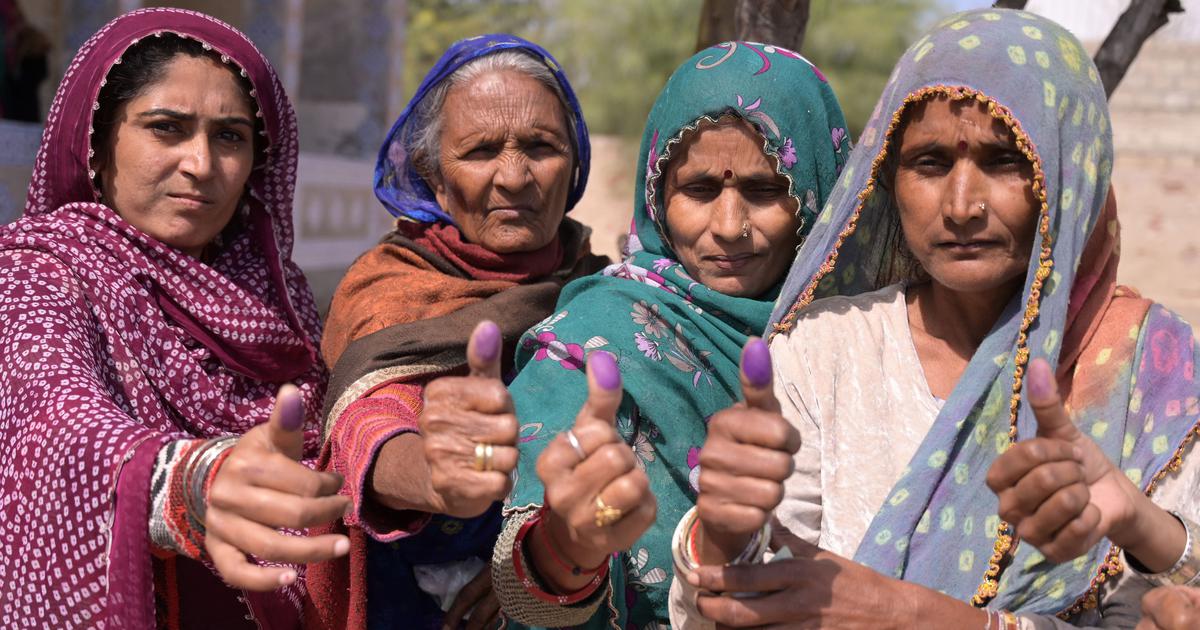
In a significant milestone for gender equality in electoral participation, Pakistan has reported an impressive rise in the number of registered women voters. As the nation gears up for the upcoming 2024 general elections, the official electoral rolls indicate that over 59 million women are now registered, a notable jump from approximately 46.7 million in 2018. This increase of over 12 million women has sparked hopes of enhanced female participation in the democratic process.
However, this administrative achievement unveils a perplexing paradox within Pakistan’s democratic landscape. While more women are signing up to vote, the overall voter turnout has seen a worrying decline, dropping from 52.1% in 2018 to just 47.6% in 2024. This trend raises crucial questions about the effectiveness of voter registration initiatives and the underlying factors contributing to this disengagement from the electoral process.
The Election Commission of Pakistan has touted the increase in registered voters as a success, highlighting the concerted efforts made alongside the National Database and Registration Authority (NADRA) to bridge the gender gap in electoral participation. Mobile registration units and awareness campaigns have targeted women, particularly in rural and underserved communities, aiming to empower them with the necessary tools to participate in the political arena. Yet, despite these initiatives, the reality that many registered voters, especially women, are not showing up on election day presents a critical challenge.
Historically, women in Pakistan have faced significant barriers to participating in elections, ranging from socio-cultural constraints to bureaucratic hurdles. While strides have been made to improve registration, the drop in voter turnout signals deeper issues that need addressing. Factors such as political disillusionment, lack of access to polling stations, and concerns over safety can deter even those who are registered from casting their votes.
As Pakistan approaches the election, stakeholders must not only celebrate the increase in female voter registration but also critically examine the reasons behind the declining turnout. Engaging women in the electoral process requires more than just getting them on the rolls; it necessitates creating an environment where they feel safe, informed, and motivated to participate. Without addressing these underlying issues, the growth in registered women voters may remain an empty victory, overshadowed by a democracy struggling to engage its citizens fully.