In the bustling town of Araria, Bihar, the ripple effects of the COVID-19 pandemic continue to haunt many families. Among them is the story of 30-year-old Kumod Mandal, who left his hometown in late 2019 seeking better opportunities in Jammu and Kashmir. For a year, he worked tirelessly at a construction site, sending home a significant portion of his Rs 12,000 monthly salary to support his wife, Babitadevi, and their three young children.
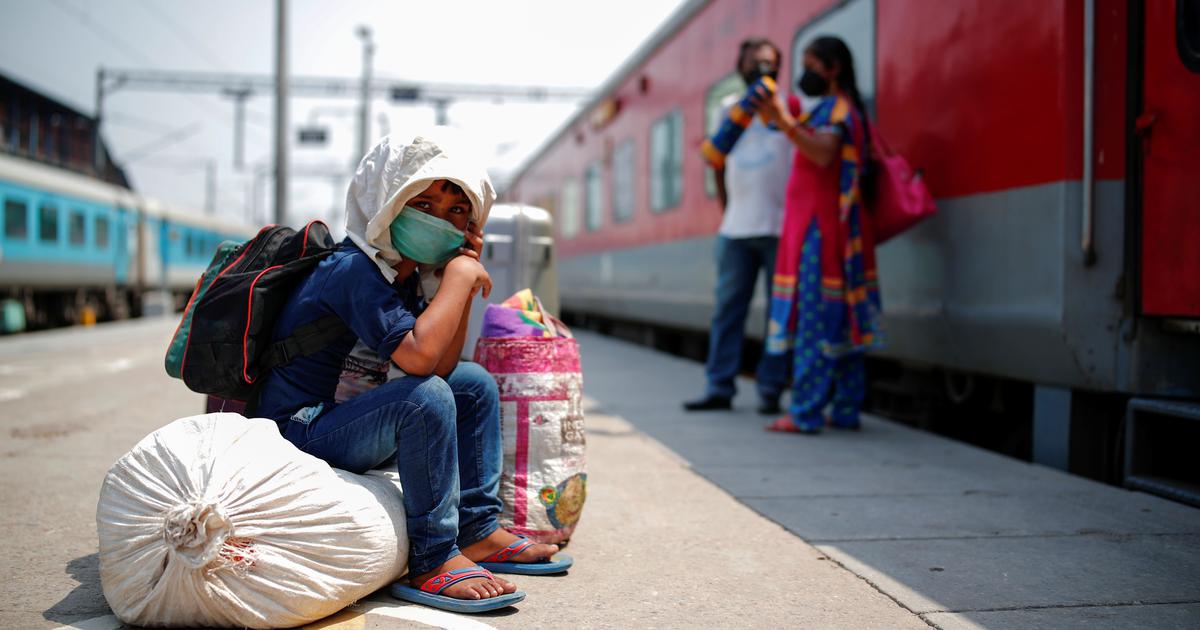
However, the onset of the pandemic in 2020 brought a sudden halt to his dreams. When the first wave hit India, a stringent lockdown was imposed, separating Kumod from his family. Unable to return home due to closed roads, tragedy struck. Babitadevi recalls the moment of loss, saying, “He died there.” Kumod’s untimely death left his family in a precarious situation, turning their lives upside down.
In the aftermath of her husband’s passing, Babitadevi was thrust into the role of the sole breadwinner. She now works as a daily-wage laborer, earning a meager Rs 150 to Rs 200 a day, barely scraping by to provide for her children. The family’s reliance on the government school system has intensified, as all three of her children now attend classes there, receiving one free meal daily through the mid-day meal scheme. “If Papa was alive, we could think of a private school,” lamented Kumod’s eldest son, just 10 years old. “Now we have to make do with what we have.”
In 2021, a year after Kumod’s death, the Bihar government announced financial support for children who lost their parents to the pandemic. They introduced a monthly assistance of Rs 1,500 to help these orphaned children navigate their tough circumstances. Additionally, the central government offered an ex gratia compensation of Rs 50,000 to families who lost loved ones due to the virus. However, such measures often fall short in the face of the immense challenges these families endure.
The emotional and financial burden that families like that of Kumod Mandal bear is a stark reminder of the pandemic’s far-reaching consequences. Despite government initiatives aimed at providing relief, many families feel let down, with insufficient support to truly alleviate their suffering. The heartbreaking reality is that while some measures have been put in place, they cannot replace the love and stability lost. As the nation grapples with the aftermath of the pandemic, it is crucial to address the ongoing needs of these families and ensure that their voices are heard.