PM Modi Highlights Long-term Effects of West Asia Conflict, Urges Preparedness for India
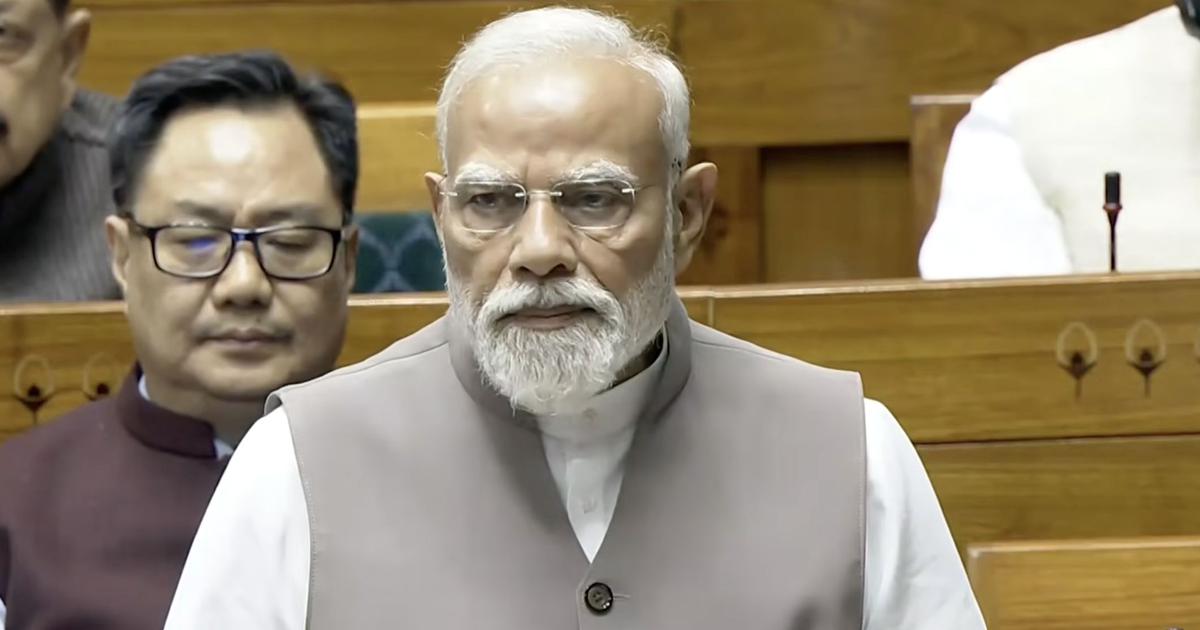
In a significant address to the Lok Sabha on Monday, Prime Minister Narendra Modi underscored the enduring repercussions of the ongoing conflict in West Asia, emphasizing the need for India to remain vigilant and united. His remarks come in the wake of disruptions in energy supply chains, primarily influenced by escalating tensions in the region.
The conflict, largely fueled by retaliatory measures from Iran against U.S. and Israeli actions, has led to the blockage of the crucial Strait of Hormuz—an essential maritime route through which approximately 20% of the world’s oil supply flows. This situation is particularly critical for India, which depends heavily on imports to meet its energy demands.
As India sources about 60% of its liquefied petroleum gas (LPG) from Gulf nations, the blockade has triggered significant disruptions, causing temporary closures of various eateries and leading to long queues outside LPG supply centers across the country. Prime Minister Modi highlighted the urgency of the situation, stating, “India imports a large amount of crude oil through the Strait of Hormuz. The government is actively working to minimize any adverse effects on our citizens.”
To mitigate these challenges, the Indian government has prioritized increasing domestic LPG production, aiming to streamline supply channels. Modi reassured the public by revealing that India boasts a strategic petroleum reserve exceeding 5.3 million tonnes. Furthermore, he noted that the country’s refining capabilities have been substantially enhanced, ensuring a robust response to any energy supply crises.
By closely monitoring developments in the Gulf and the Strait of Hormuz, the government aims to secure not only energy but also vital gas and fertilizer needs. Modi’s statements reflect a proactive approach to a complex geopolitical landscape and a commitment to safeguarding India’s energy interests against external challenges.