In a significant political development, a cohort of 20 Members of Parliament (MPs) from the Trinamool Congress (TMC) expressed their intention to join the ruling National Democratic Alliance (NDA), signaling a potential shift in West Bengal’s political landscape. This move comes on the heels of a turbulent period for the TMC, marked by a rebellion among its ranks and dissatisfaction with the party’s leadership.
Leading this group of defectors is Kakoli Ghosh Dastidar, who convened a meeting at the residence of Bhupendra Yadav, the Union Minister and BJP’s West Bengal observer, in New Delhi. Among the MPs, Bardhaman Purba representative Sharmila Sarkar articulated their motivation, stating that they wish to “sit separately” and that forming the new bloc will facilitate the development of West Bengal. Sarkar emphasized the need for a collaborative effort with the NDA to foster progress in the state, a sentiment that echoes the frustrations of many constituents.
This shift is particularly notable given that it follows a recent rebellion within the TMC, where 58 out of 80 MLAs distanced themselves from party leadership and elected Ritabrata Banerjee, who has since been expelled, as the leader of the Opposition. These internal divisions suggest a growing discontent within the TMC ranks, raising questions about the party’s stability and future in West Bengal.
In another blow to the TMC, senior leader Sukhendu Sekhar Ray announced his resignation from the Rajya Sabha and his departure from the party. He cited the overwhelming mandate given to the BJP in the recent West Bengal Assembly elections as a driving force behind his decision. Ray expressed that the electorate had chosen to end what he termed the “15-year anarchical rule” of the TMC and called for a focus on the “overall development and reconstruction” of the state under the BJP-led administration.
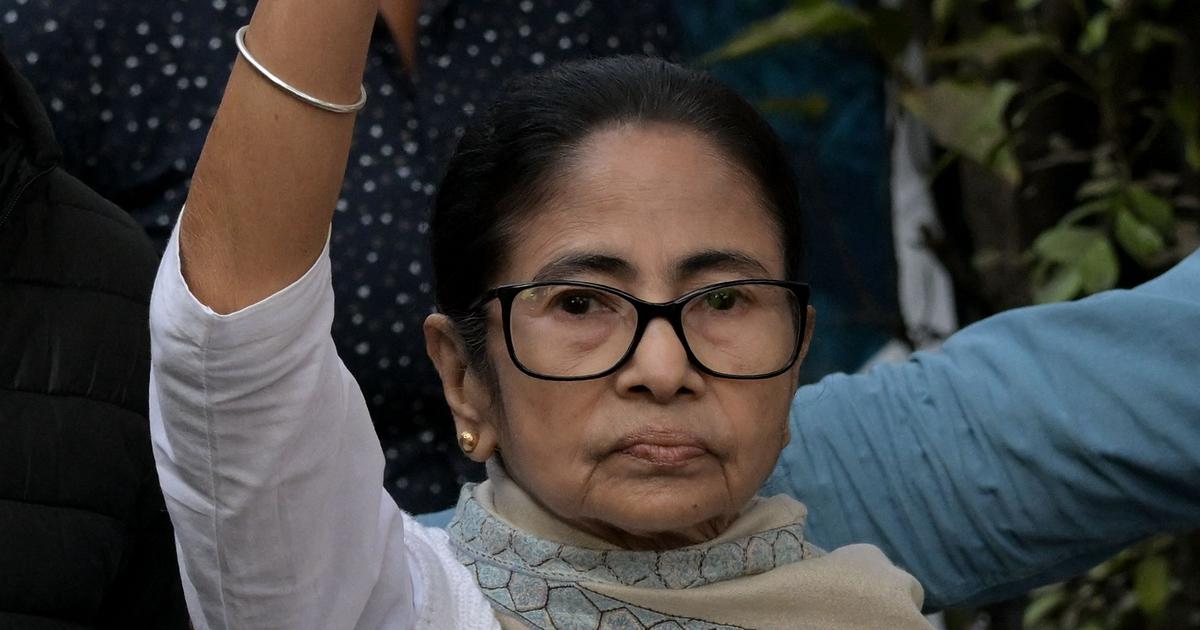
As West Bengal prepares for potential political realignments, the implications of these defections could be far-reaching. The TMC, led by Chief Minister Mamata Banerjee, has historically been a dominant force in the state, but this latest development raises important questions about its ability to maintain cohesion and public support. With the BJP keen on expanding its influence in West Bengal, the coming months will likely see intensified political maneuvering as parties recalibrate their strategies in response to these recent shifts.