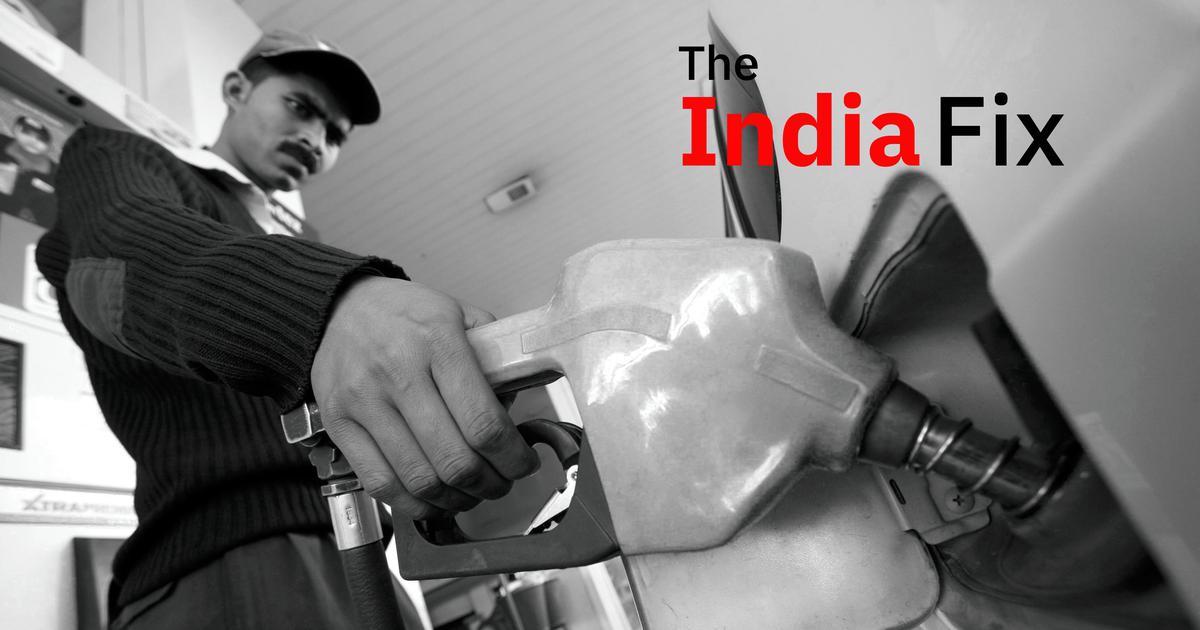
In recent weeks, a crisis of significant proportions has unfolded across India, with widespread shortages of liquefied petroleum gas (LPG) and petrol. As the ongoing conflict involving the US and Israel’s actions toward Iran exacerbates the situation, many citizens are left grappling with the fallout. Long queues at petrol pumps and gas distribution centers have become commonplace, reminiscent of the fraying moments experienced during the COVID-19 lockdown of 2020.
The ripple effects of this crisis are not limited to just consumers. Various sectors, including restaurants and healthcare services, are facing operational challenges, leading to a broader economic impact. In urban areas, workers are struggling to secure jobs, echoing the hardships of past lockdowns, and raising concerns about the stability of livelihoods across the nation. As households try to transition from traditional firewood to cleaner cooking fuels, the inability to access gas cylinders has stalled progress in promoting cleaner energy solutions.
In the face of this turmoil, Prime Minister Narendra Modi has pointed fingers at the Opposition party, particularly the Congress, suggesting that they are sowing seeds of panic among the populace. He accused them of spreading rumors intended to exacerbate the situation, which he claims leads to chaos at fuel outlets. This blame-shifting tactic has been a recurring theme in Modi’s leadership, often channeling public discontent towards political rivals rather than addressing the core issues directly.
Over the past twelve years, under Modi’s administration, Indians have witnessed a myriad of challenges, particularly related to essential services like fuel. The current crisis has ignited questions about the government’s ability to manage such fundamental resources effectively. Skepticism among the public regarding the assurances offered by the government is palpable, with many questioning whether these promises can translate into tangible relief amidst the current upheaval.
As the nation grapples with these pressing issues, the need for effective communication from the government becomes increasingly critical. Citizens are not just seeking assurances; they are yearning for concrete actions that address their struggles in real-time. The Modi government faces a daunting task to rebuild trust and demonstrate that it can respond adequately to the needs of its people, especially in times of distress.