




Public Spaces in India: A Challenging Terrain for Children with Intellectual Disabilities
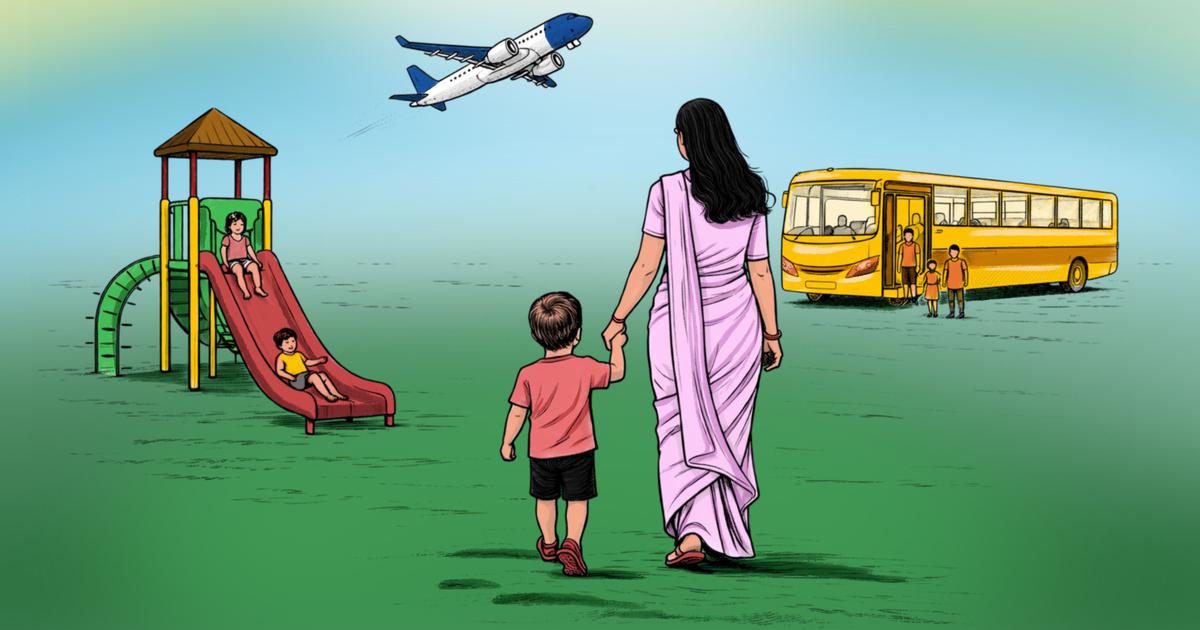
The public spaces in India, often considered sanctuaries of joy and recreation, have unfortunately turned into challenges for children with intellectual disabilities. A recent incident at Delhi’s Sunder Nursery has highlighted this pressing issue, igniting discussions about accessibility and inclusion in public areas.
In February, a video captured the distressing moment when Mona Mishra, a mother of a five-year-old girl with cerebral palsy, confronted security guards at the park. The guards had allegedly prevented her daughter from using a swing, citing that her “brain is not fine” as a reason for their actions. The family was reportedly told that the park was not a suitable environment for children with special needs, forcing them to leave. This shocking encounter quickly spread across social media, provoking outrage and sympathy from many who viewed it.
Park officials later claimed that the child’s safety was their primary concern, arguing that they were merely adhering to protocols to prevent risky situations. However, this incident is not an isolated case. In fact, it reflects a broader systemic issue where children with disabilities face barriers in accessing public facilities. For instance, in 2022, a similar situation arose at an airport in Ranchi, where staff allegedly denied boarding to a child with special needs, leading to further condemnation of discriminatory practices against such children.
The reactions to these incidents have sparked a dialogue about the urgent need for reform in public spaces. Advocacy groups are calling for heightened awareness and training among staff in public amenities to foster an inclusive atmosphere. Furthermore, many argue that there needs to be a cultural shift in how society perceives disabilities—transitioning from stigma towards acceptance and understanding.
In the context of India, where societal attitudes towards disabilities often remain archaic, it becomes crucial to empower parents and caregivers of children with special needs. They should be equipped with the knowledge to stand up against discrimination while also being supported by communities advocating for inclusive practices. The government too has a significant role to play in ensuring that public spaces are welcoming to all, regardless of physical or intellectual capabilities.
As the nation grapples with these challenges, it becomes evident that creating a more inclusive society is essential not just for children with disabilities, but for the collective growth of the nation. Only then can public spaces truly serve as spaces of joy and equality for every child.

