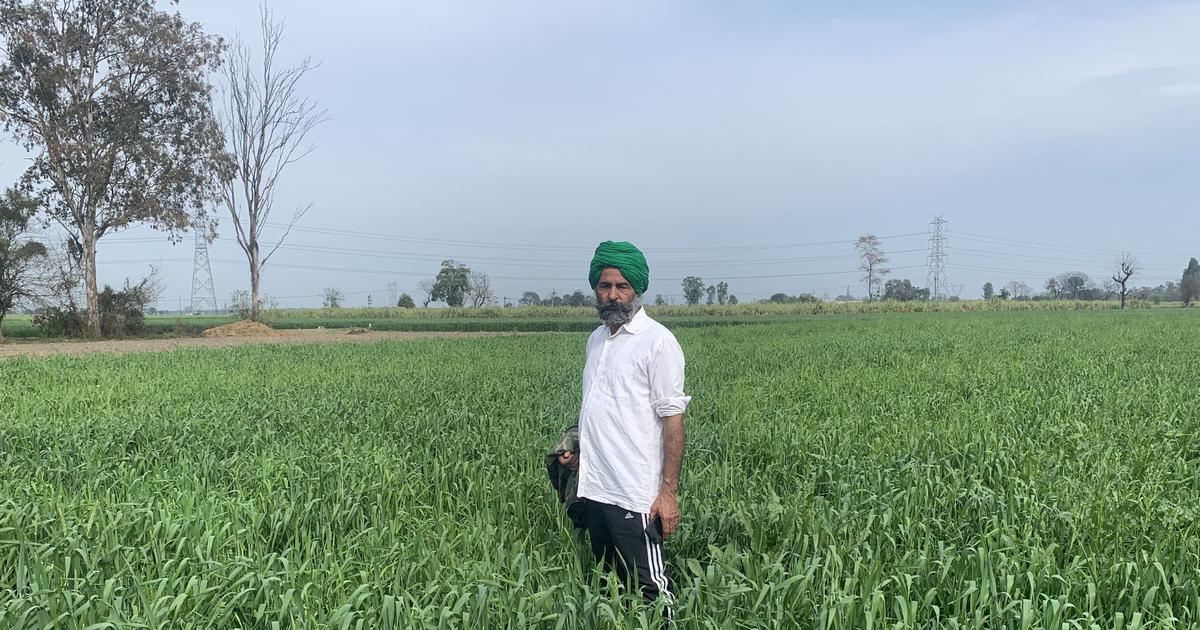
Narinder Tiwana, a farmer from Dittupur village in Punjab’s Patiala district, recalls when his father first introduced a light motor to pump groundwater for their fields. Back then, life was simpler, but as the years rolled on, their struggles with dwindling water supplies became all too evident. Today, at 51, Tiwana finds himself relying on 20 to 25 horsepower motor pumps, yet, he laments, even that doesn’t guarantee a steady supply. “Every year, the water level drops by three feet,” he shares with a note of frustration.
This dire situation is backed by alarming statistics; a study has shown that between 1996 and 2018, the annual water table in Patiala has plummeted by nearly 188%. Rice, a staple crop in the region, is compounding the crisis, as farmers like Tiwana face severe challenges in maintaining their harvests. As they dig deeper for water, it becomes increasingly clear that a sustainable solution is urgently needed.
In his quest for answers, Tiwana crossed paths with Kahan Singh Pannu, a seasoned farmer and former secretary of agriculture in Punjab. Since retiring in 2020, Pannu has devoted himself to exploring innovative farming methods to tackle the impending water shortages. His mission is driven by a pressing reality—”We have to assume that there is no water left,” he stresses, urging fellow farmers to adapt and rethink their strategies.
Interestingly, while the gravity of the water crisis weighs heavily on the farmers, there’s a flicker of hope in the air. Pannu’s techniques, which focus on sustainable practices, have garnered attention. Farmers are slowly beginning to embrace new approaches, such as crop rotation and rainwater harvesting, as alternatives to the water-intensive methods they’ve long relied on. It’s a slow transformation, but the need for change has never been more critical.
As farmers like Tiwana navigate this challenging landscape, they are not just fighting for their livelihoods but for the very future of agriculture in Punjab. Their resilience and willingness to innovate may just hold the key to overcoming what seems like an insurmountable crisis. The clock is ticking, and with each passing season, the urgency for action grows stronger.