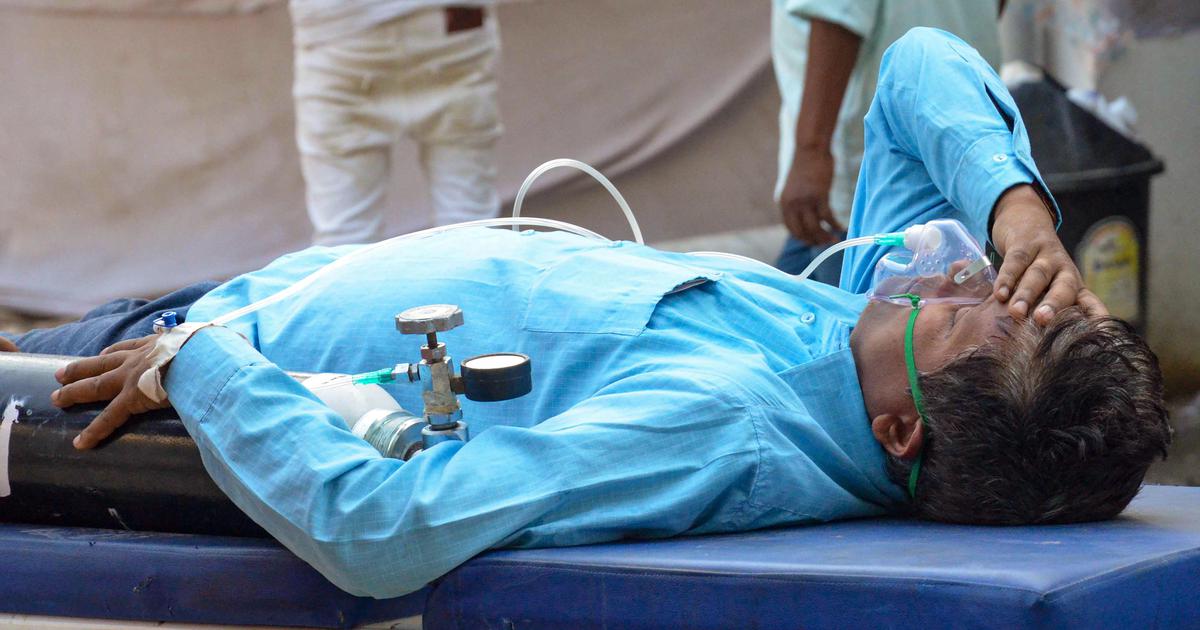
As the COVID-19 pandemic continues to disrupt healthcare services around the country, a concerning situation has emerged in the rural parts of Bihar. A recent investigation revealed that in the absence of qualified medical professionals, the villagers have increasingly turned to unqualified practitioners, commonly referred to as ‘quacks’ or ‘jhola-chhaap doctors.’ These individuals, lacking formal medical training, have taken it upon themselves to treat patients who are left vulnerable by a strained healthcare system.
On May 8, 2020, journalists Sajid and I traveled to the Arrah district in Bhojpur to assess the ground realities of healthcare in rural Bihar during the pandemic. Our findings were alarming; with many clinics shuttered and hospitals overflowing, patients found themselves with no choice but to rely on local pharmacists and self-proclaimed doctors. This situation has left many questioning the integrity and safety of such medical practices, as these quacks often possess only the barest knowledge of healthcare, gained through informal experience rather than formal education.
Quacks have become a de facto first line of healthcare in a region marked by a lack of access to qualified doctors. A quack is typically someone who has spent time assisting licensed medical professionals but lacks the credentials to practice medicine legitimately. According to a 2018 report by Mint, there are over 1 million quacks operating throughout India, with more than 400,000 of these practitioners reportedly active in Bihar alone. This staggering number is a testament to the healthcare void in a state that comprises over 44,000 villages and a largely rural populace.
The rise of these informal practitioners is indicative of the systemic issues plaguing Bihar’s healthcare infrastructure. Government hospitals and clinics often lack adequate resources and staff, leading to a reliance on these quacks, particularly during health emergencies like the COVID-19 pandemic. In comparison to Bihar, West Bengal, which has a similar rural demographic, houses approximately 100,000 quacks, underscoring the disproportionate reliance on unqualified medical care in Bihar.
While some may argue that these quacks provide critical support in underserved areas, the risks associated with unregulated medical treatment are considerable. Patients seeking care from these practitioners might receive inappropriate medications or incorrect diagnoses, further exacerbating health issues rather than alleviating them. As the pandemic continues, the need for a robust healthcare system in rural Bihar has never been more urgent. It is essential for policymakers and healthcare authorities to address these gaps to ensure that the rural populace receives the medical attention they truly deserve.