Rajasthan High Court Raises Concerns Over Transgender Rights Amendment Bill’s Impact on Personhood
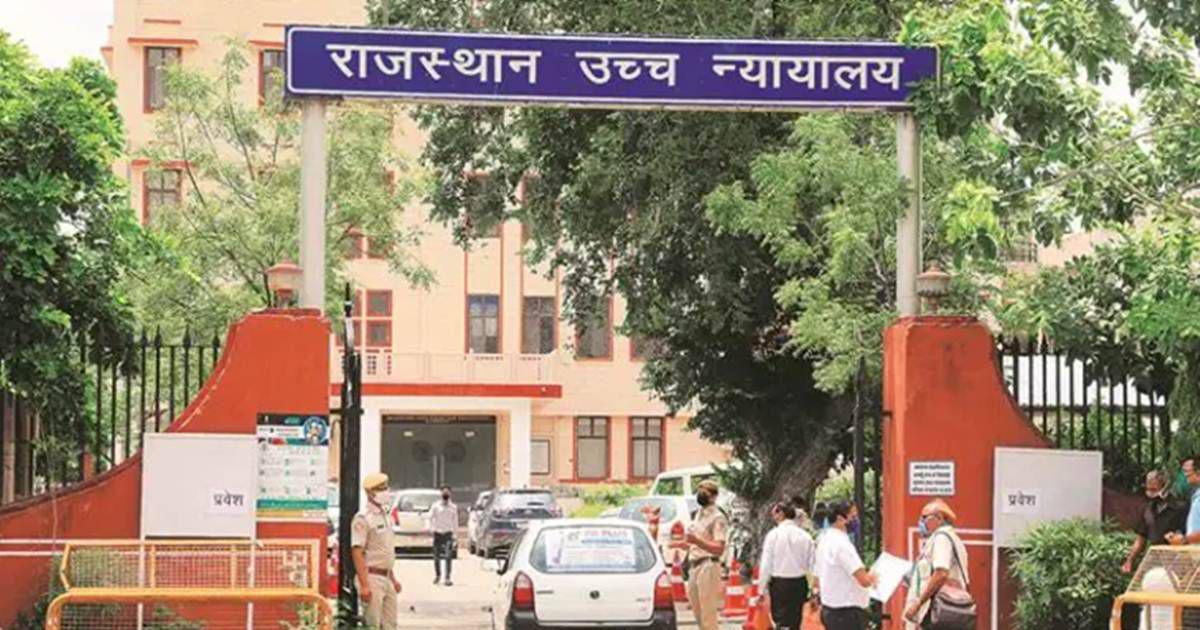
The Rajasthan High Court has expressed serious concerns regarding the recently passed 2026 Transgender Persons Protection of Rights Amendment Bill, warning that it may transform an essential aspect of personhood into a mechanism for ‘state-mediated entitlement’ for transgender individuals. This observation was made by a bench comprising Justices Arun Monga and Yogendra Kumar Purohit during a hearing on Monday.
The contentious bill, which was approved by Parliament on March 25, follows the rejection of a motion to send the legislation to a select committee for further scrutiny. Following its passage, the bill received the President’s assent, making it official law. Introduced in the Lok Sabha a week earlier on March 13, the amendment seeks to modify the original 2019 Transgender Persons Protection of Rights Act.
One of the most striking changes proposed by the amendment is the redefinition of who qualifies as a transgender person. It notably removes the fundamental right to self-identify one’s gender, a privilege granted under the 2019 Act, and instead imposes stricter criteria based on biological or physiological traits, intersex variations, and certain socio-cultural identities, such as kinner, hijra, aravani, and jogta.
Justice Monga articulated that this amendment effectively rescinds the rights previously established, marking a significant shift from the constitutional principles established in the 2019 legislation. He pointed out that the legal acknowledgment of gender identity is now subject to administrative verification and scrutiny, rather than being based on personal identification. This change raises troubling questions about the autonomy and dignity of transgender individuals in India.
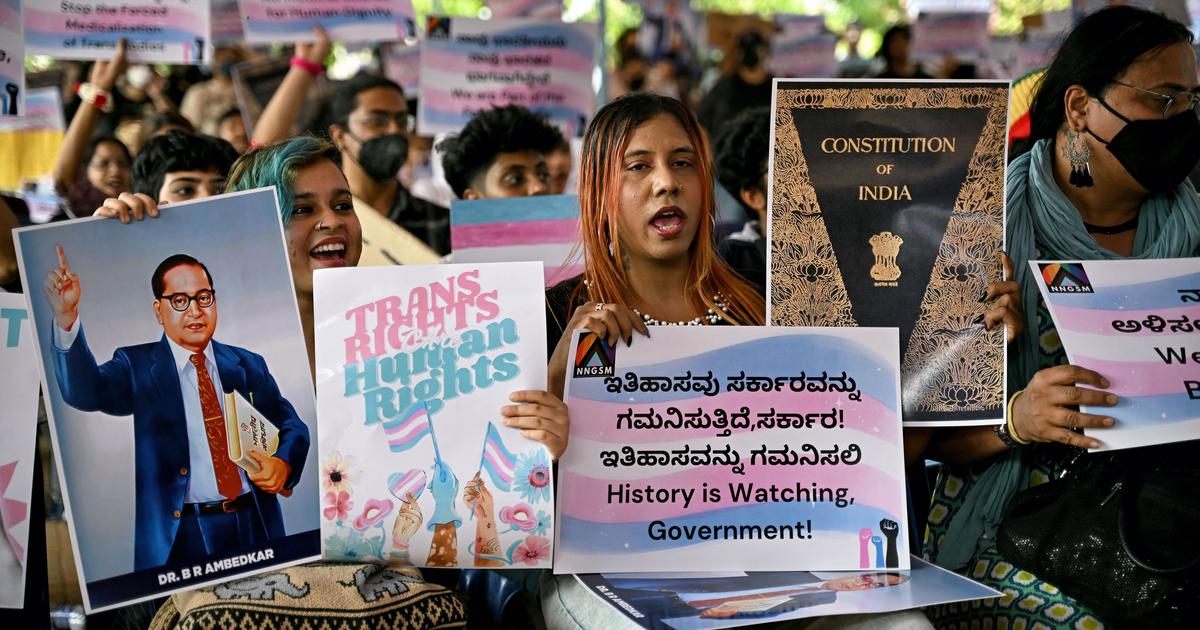
The judges’ remarks echo a broader concern among activists and legal experts that the amendment undermines the essence of transgender rights, possibly leading to further marginalization of an already vulnerable community. Critics argue that the bill’s provisions could lead to bureaucratic hurdles that could discourage individuals from seeking recognition of their gender identity, thus negating the very purpose of the original Act.
Advocates for transgender rights have long argued for the importance of self-identification, emphasizing that individual agency in declaring one’s gender is crucial for personal dignity and societal acceptance. The Rajasthan High Court’s observations highlight the need for ongoing dialogue and careful consideration of the rights of transgender individuals as India navigates legal reforms aimed at safeguarding their interests.
As the nation moves forward, it remains imperative for lawmakers to strike a balance between necessary legal frameworks and the inherent rights of individuals, ensuring that the principles of equality and freedom are upheld in every facet of society. The voices of the transgender community must not only be heard but also integrated into policies that affect their lives and identities.