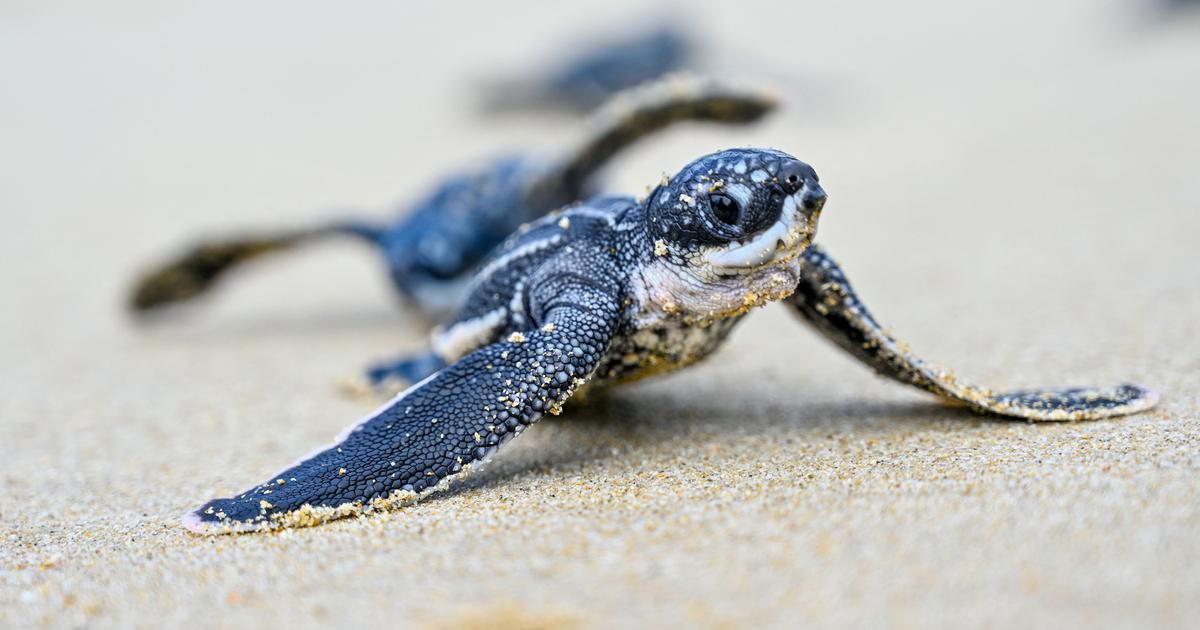
Recent observations from Great Nicobar Island have revealed an astonishing surge in sea turtle nesting, particularly at Galathea Bay, with records indicating that species such as the Giant Leatherback and Olive Ridley turtles have chosen this pristine location in unprecedented numbers this season. This development raises important questions in light of a recent ruling by the National Green Tribunal (NGT), which dismissed objections to a large-scale infrastructure project on the island. The NGT ruled on February 16 that the project site does not fall within CRZ-1A, a designation reserved for areas of critical ecological importance.
CRZ-1A areas are recognized for their environmental significance, including habitats for marine turtles, ground-nesting birds, mangrove ecosystems, and coral reefs. These regions are afforded the utmost protection under Indian environmental laws, explicitly prohibiting major construction projects intended to alter or exploit these fragile ecosystems. The nesting activity at Galathea Bay contradicts claims made by authorities regarding the ecological status of the proposed project site, especially with the latest records showcasing the nesting of both Leatherback and Olive Ridley turtles.
Photographs taken last month reveal two turtle hatcheries at Galathea Bay, marked with essential details such as the nesting date, species, and the number of eggs collected. Notably, the latest recorded nest date is February 13, which documents the nesting attempts of both a Leatherback turtle and an Olive Ridley turtle. This evidence of significant nesting activity underscores the delicate balance between environmental conservation and developmental aspirations on the island.
Activists and environmentalists have expressed concern that approving such large infrastructure projects could jeopardize the natural habitat of these endangered species. The juxtaposition of thriving turtle nesting against the backdrop of a controversial development plan calls for a reassessment of priorities when it comes to preserving India’s ecological heritage. With the backdrop of climate change and increasing human activity threatening biodiversity, it is crucial that authorities take heed of such signs from nature to safeguard these vital ecosystems.
As the government pushes forward with its development agenda, the surge in turtle nesting serves as a poignant reminder of the need for sustainable practices that prioritize ecological preservation. The Galathea Bay phenomenon might just be the alarm bell necessary for decision-makers to reconsider the impact of construction on sensitive habitats. With the eyes of both nature enthusiasts and environmental watchdogs on Great Nicobar Island, the coming months could prove pivotal in determining the fate of this unique ecosystem.