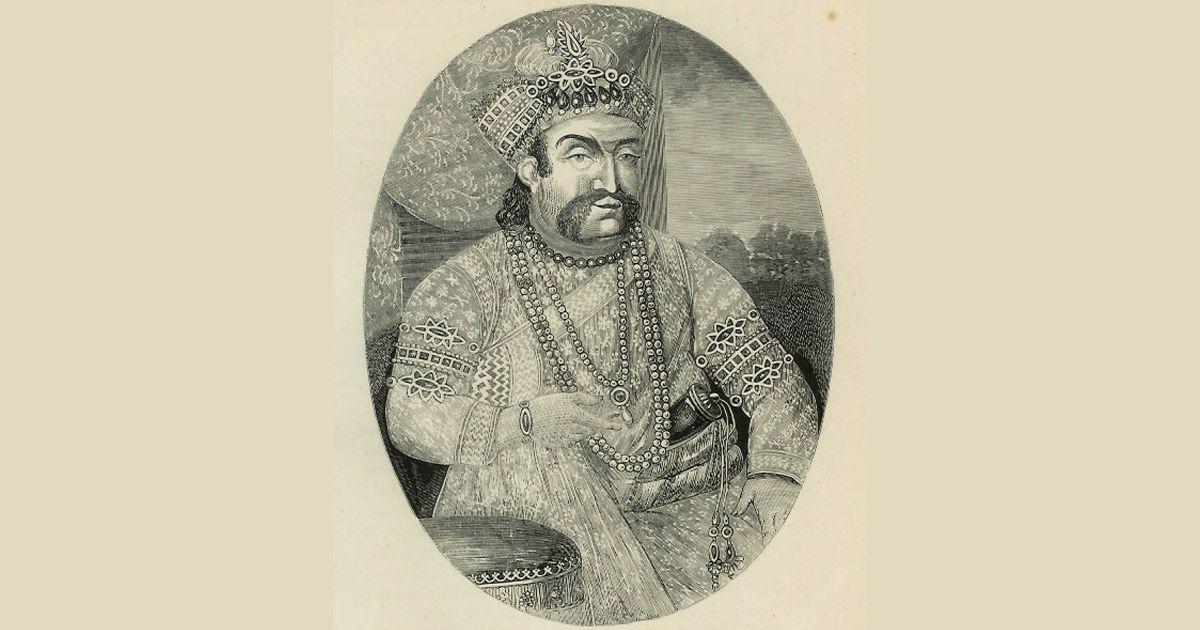
The historical narrative surrounding Wajid Ali Shah, the last Nawab of Awadh, often overlooks one of the most compelling aspects of his life: his passion for dance and the performing arts. In contemporary discourse, many writers have chosen to ignore his vibrant contributions to the world of dance, often portraying him merely as a ruler rather than an artist. This oversimplification is misleading, as it fails to acknowledge the rich cultural tapestry that Wajid Ali Shah wove during his reign.
Contrary to claims by some 20th-century historians that he never danced, evidence suggests that Wajid Ali Shah not only participated in dance but also innovated within this art form. His acknowledgment of his own dancing prowess serves to challenge the stereotypes associated with the performing arts. In an era marked by rigid societal norms, where expressions of art were often looked down upon, Wajid Ali Shah stood as a beacon of artistic freedom. He was not merely a king; he was a patron and practitioner of the arts, defying the perceptions of his time.
Wajid Ali Shah’s contributions to dance were profound, as illustrated by his relationships with notable pupils such as Badshah Pasand Lucknavi and Qaim Khan. These disciples were instrumental in disseminating his innovative techniques and styles, ensuring that his artistic legacy continued beyond his lifetime. The aesthetic sensibility he brought to dance and music is still celebrated today, particularly in the form of ‘quavers’ that he popularized, which prominently featured male figures in their visualization, hinting at his unique artistic vision.
The misconception that Wajid Ali Shah danced only during festive occasions, like Holi in the streets of Lucknow, underscores a more significant cultural misunderstanding. Art transcends religious boundaries; it is neither confined to Hinduism nor Islam. His artistic expressions were a celebration of life, culture, and identity—an essential element that continues to resonate in Indian society. The evolution of traditional performance art during his reign reflects a blend of various influences, culminating in a unique style that was both revolutionary and deeply rooted in the cultural heritage of Awadh.
As we delve deeper into the life of Wajid Ali Shah, it becomes clear that his legacy is not solely that of a ruler but as a cultural icon who embraced and encouraged the performing arts. His narrative serves as an important reminder of the need to recognize the multifaceted identities of historical figures, promoting a more inclusive understanding of our past. Rediscovering Wajid Ali Shah’s artistic journey is essential in appreciating the rich culture that continues to shape modern Indian art forms.