In an era marked by the Anthropocene, the age of human impact on Earth, storytelling is evolving to incorporate narratives that transcend human experiences. As we grapple with the consequences of our actions on the environment, it is more crucial than ever to explore narratives that showcase the interconnectedness of humans and the non-human world.
Traditional storytelling often frames nature as a distant and abstract concept, leading to a perception that it exists separately from our daily lives. This separation has resulted in a dangerous mindset that permits the exploitation of natural resources, as nature is perceived merely as a backdrop for human activities. With climate change, erratic weather patterns, and health crises driven by environmental neglect, the urgency for a shift in narrative has never been clearer.
As the impact of human actions on the planet becomes increasingly evident, there is a growing call for stories that honor and illuminate the more-than-human entities that share our world. These narratives can serve as vital tools for fostering empathy and understanding towards all forms of life, challenging the traditional human-centric perspective that dominates much of our cultural discourse.
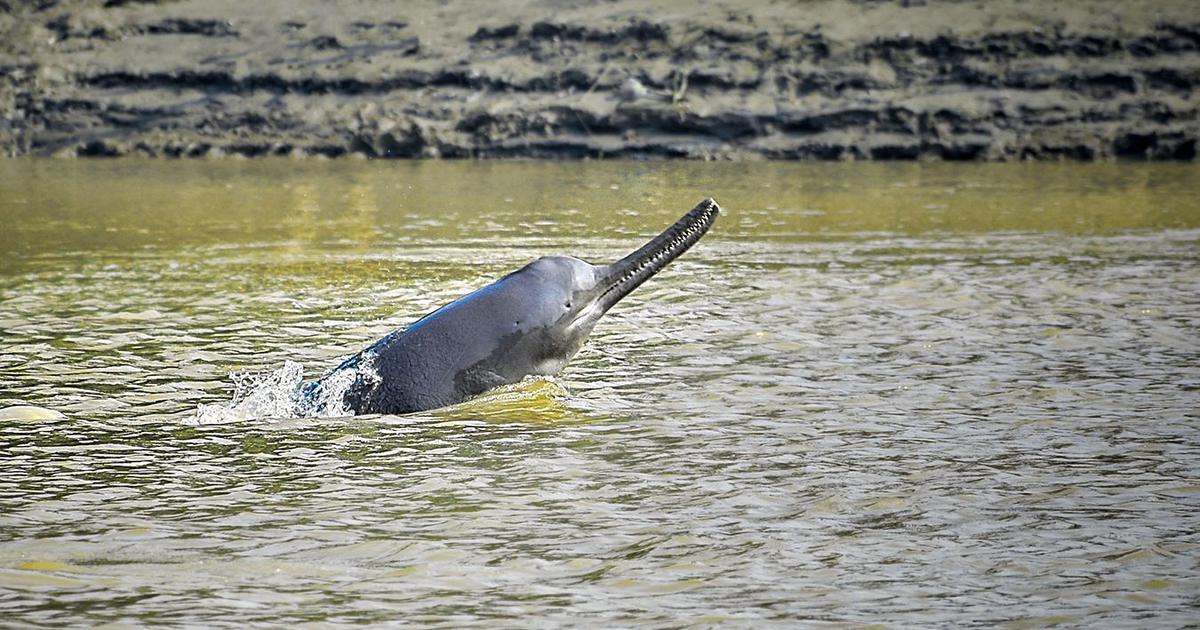
What types of stories do we need in these challenging times? We require narratives that are meticulous in their portrayal of the non-human worlds around us. These stories should highlight the intricate relationships between living beings and their environments, illuminating the rich tapestries of life that exist beyond our own species. By doing so, we can begin to dismantle the structures of power that often inhibit our engagement with non-human entities.
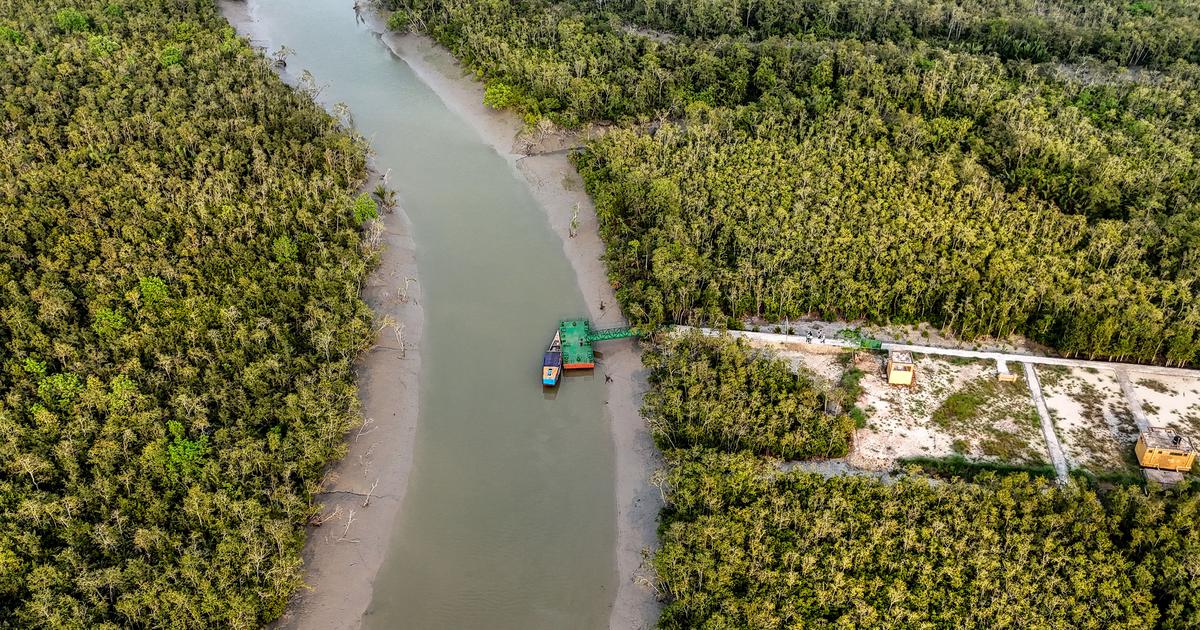
In India, where diverse ecosystems co-exist alongside vibrant cultures, there is a unique opportunity to weave tales that reflect this complexity. From the sacred forests to the rivers that sustain us, the stories that emerge can be a powerful reminder of our interdependence with nature. The challenge lies in crafting narratives that are not just cautionary tales, but also ones that celebrate the resilience and wisdom of the non-human world.
As we move forward, embracing these new modes of storytelling will be essential. They can inspire a collective consciousness that prioritizes ecological balance and fosters a sense of responsibility towards all beings. By foregrounding the non-human in our narratives, we can enrich our understanding of the world and pave the way for a more sustainable future.