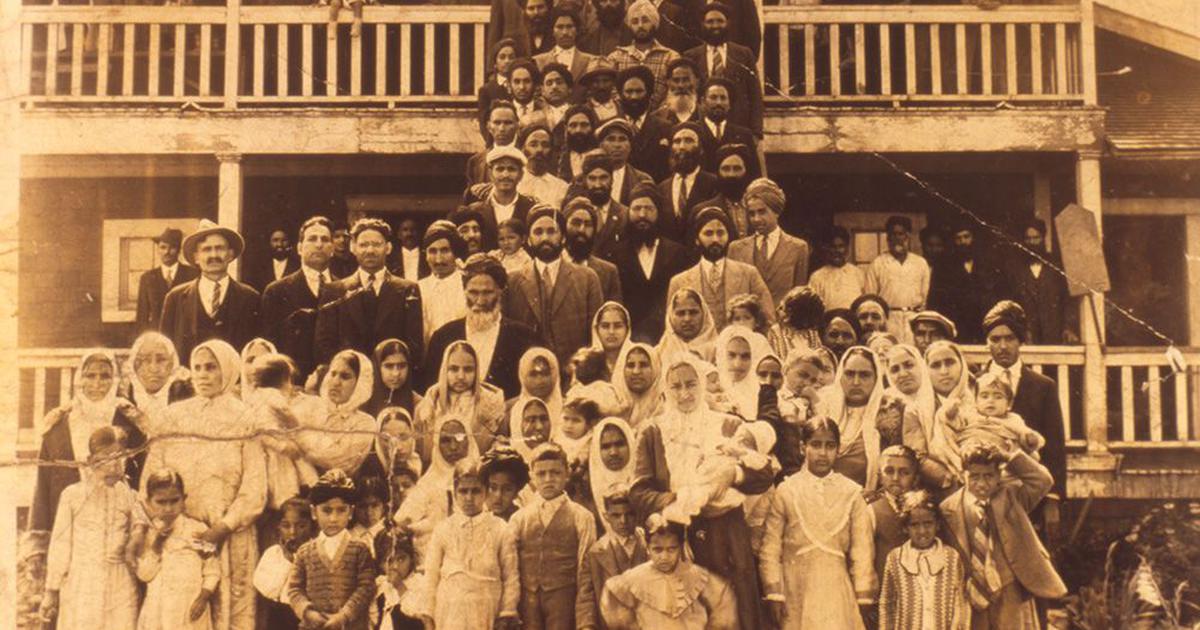
In the summer of 1942, a poignant moment unfolded in the quiet settlement of Fraser Mills, located near Vancouver, Canada. An Indian family found themselves at the center of an emotional and culturally significant ceremony—the cremation of Mrs. Assa Singh, a beloved member of their tight-knit community. This small group of Indians, engaged primarily in labor at the local sawmill, represented a rare presence in a country that had stringent immigration laws aimed at keeping non-European populations at bay.
The gathering for the funeral rites was marked by an unsettling atmosphere, as a local wire report noted the presence of a sizeable crowd of onlookers, primarily curious and perhaps bemused white spectators. The report described the intrusion of these outsiders as an intrusion that deeply offended the grieving family and friends, compelling them to conduct the ceremony in a manner that ensured their privacy. To preserve the sanctity of the event, the family ultimately chose to hold the final rites in the early hours of the morning, shrouded in secrecy.
Despite the discomfort caused by the onlookers, the Indian community showcased remarkable dignity during the ceremony. As detailed in the report, Mrs. Assa Singh was adorned in her finest attire, draped in an orange pastel silk robe—an emblematic color for widows in Indian tradition, symbolizing honor and respect. Her body was placed on a wooden pyre, constructed to reach about four feet in height. The officiating priest, Kartar Singh, led the solemn proceedings, which were attended by around forty Hindu mourners. They stood with hands clasped in silent prayer, creating an atmosphere of reverence amid the painful loss.
This incident serves as a poignant reminder of the challenges and discrimination faced by early Indian immigrants in Canada. Many of these individuals were seeking a better life, yet they were often met with hostility and alienation in a society that viewed them as outsiders. The curious gaze of onlookers at such a personal and sacred moment underscores the exoticization and othering of immigrants, a theme that resonates through history.
As we reflect on the experiences of these early Indian migrants, it becomes evident that their struggles were not merely individual but collective. They navigated the complexities of maintaining their cultural identity while attempting to assimilate into an unfamiliar landscape. The funeral of Mrs. Assa Singh is not just a story of a single family; it encapsulates the broader narrative of resilience and courage exhibited by countless others who laid the foundation for future generations of Indians in Canada.
Today, as Canada celebrates its multicultural identity, it is essential to remember the history of those who came before. The sacrifices and experiences of early Indian migrants remind us that every community has a unique story shaped by struggle and triumph. Their legacy lives on, contributing to the rich tapestry of Canadian society while reminding us of the importance of empathy and understanding in a diverse world.