{
"headline": "Supreme Court Raises Alarm Over Retrospective Environmental Clearances Amid Concerns for Ecological Safety",
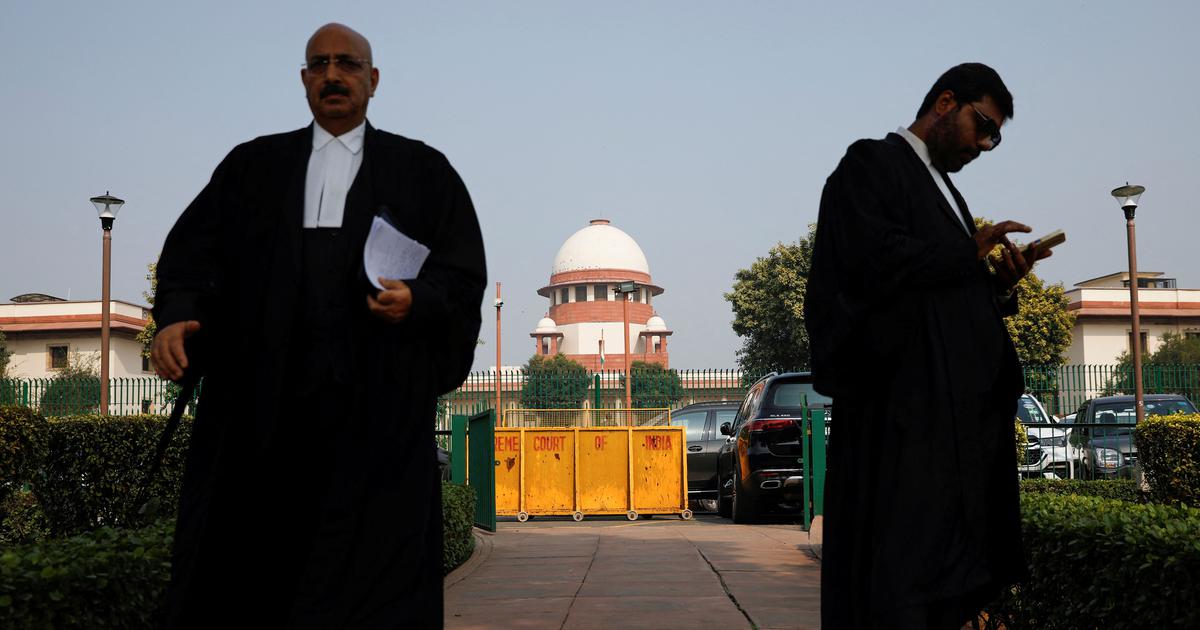
"content": "<p>In a compelling session on Wednesday, the Supreme Court of India raised significant concerns regarding the government's recent decision to grant retrospective environmental clearances for development projects already in progress. The court suggested that this policy might pave the way for potentially harmful projects to continue until the state takes action. A bench comprising Chief Justice Surya Kant and Justices Joymalya Bagchi and Vipul Pancholi was deliberating on several writ petitions that contested a controversial ruling from November, which had overturned an earlier decision made in May that prohibited such clearances.</p><p>During the proceedings, Justice Bagchi articulated that if environmental permissions are deemed non-negotiable, authorities should be legally obligated to halt any projects lacking the requisite approvals. He emphasized, “If we say prior consent is not negotiable, then anything done without prior consent you are duty bound to stop.” This critical observation underscores the court's stance on the importance of rigorous environmental regulation, particularly in a country where development often takes precedence over ecological preservation.</p><p>Justice Bagchi further critiqued the system by pointing out the disparity in the application of laws. He noted that while environmental regulations are established uniformly, their enforcement is often inconsistent. This raises profound questions about the effectiveness of the intended "cleansing effect" of such policies, especially when their application is selective. The justice warned that allowing retrospective clearances would lead to projects proceeding unchecked until they are recognized as harmful, thus delaying crucial intervention.</p><p>However, the bench also recognized the complexities involved. Completely invalidating retrospective approvals could create significant obstacles for numerous projects that have already initiated without proper clearance. This nuance indicates a challenging path ahead for the judiciary as it attempts to balance developmental needs with environmental responsibilities.</p><p>The Supreme Court's concerns resonate deeply in a nation grappling with rapid urbanization and industrialization, often at the cost of its natural resources. As the nation continues to develop, the dilemma of fostering growth while safeguarding the environment becomes increasingly critical. The court is set to continue this important discussion in the coming week, making it clear that the implications of their ruling could have lasting effects on India's development agenda, environmental health, and the regulatory framework surrounding it.</p>",
"seo_description": "Supreme Court voices concerns over retrospective environmental clearances, emphasizing the need for stringent ecological regulations in development projects.",
"tags": ["Supreme Court", "Environmental Clearances", "India News", "Development Projects", "Ecological Safety"]
}