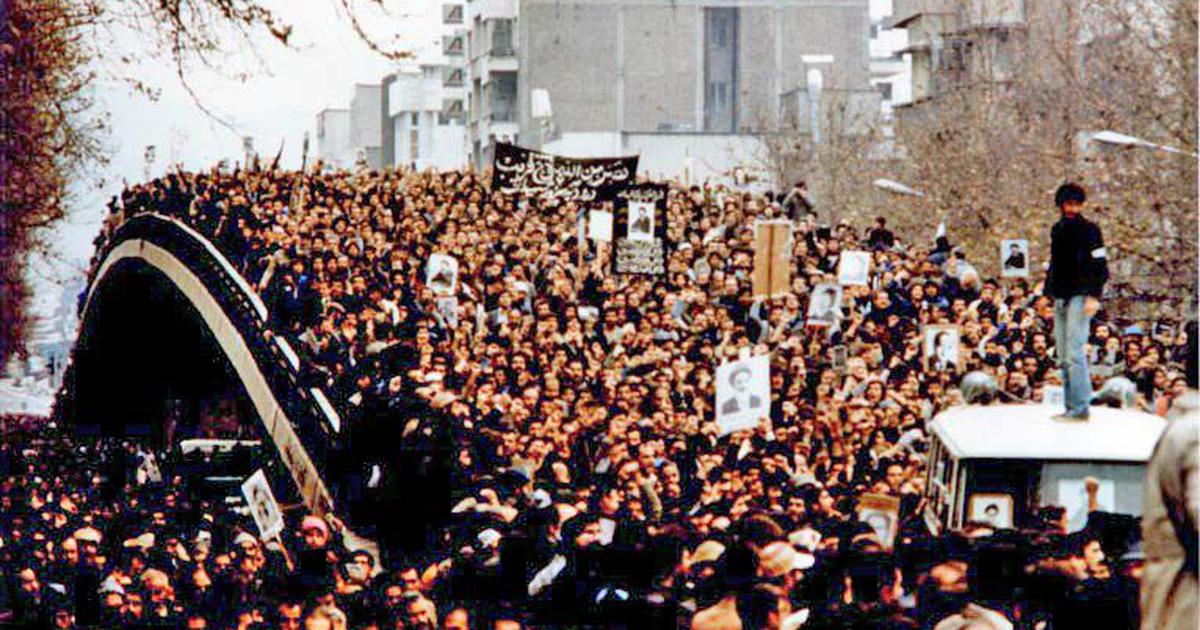
In the late 1970s, as Iran grappled with rising discontent against the Pahlavi regime, Indian diplomatic personnel stationed throughout the nation observed the escalating tensions with concern. From the bustling streets of Tehran to the remote border town of Zahedan in Sistan and Baluchestan, their communications to New Delhi detailed the initial indicators of a regime losing its grip—widespread strikes, increasing clerical influence, and a government struggling to maintain order.
Despite the complex dynamics of the era, particularly due to the Shah’s close associations with the United States and Pakistan, India still acknowledged Iran as a significant partner. The bilateral relationship was complicated, yet vital, especially in terms of energy resources, as nearly a third of India’s annual crude oil needs were sourced from Iranian exports before the pivotal Islamic Revolution in 1979.
The ties between India and Iran were not just defined by economics; they also encompassed cultural exchanges and migration. For many Indians, Iran represented a land brimming with possibilities. Skilled professionals often found respectable opportunities through official channels, while many less educated workers relied on informal networks in pursuit of better livelihoods. However, the latter group faced considerable risks. Reports from the Indian consulate in Zahedan in 1978 highlighted the plight of 171 Indians who were deported after entering Iran illegally via Afghanistan. Most of these individuals were unskilled laborers from impoverished backgrounds, reflecting the challenges faced by those seeking better futures, often unaware of the perils ahead.
As the revolution unfolded, India had to reassess its approach. The Islamic Republic that emerged was starkly different from the monarchy it replaced. Yet, India and Iran managed to navigate the turbulent waters of post-revolutionary politics, forging a pragmatic partnership based on mutual interests. This new relationship was characterized by India’s non-alignment policy, allowing it to maintain dialogue with both Iran and the West.
In the decades since, India and Iran have continued to engage on various fronts, including trade, energy, and regional security issues. The enduring cultural ties between the two nations serve as a reminder of their intertwined histories, while the challenges of the contemporary global environment necessitate a cooperative stance. As both countries face new dynamics in international relations, revisiting the historical context of their partnership provides invaluable insights into the foundations of their ongoing alliance.